U.
HomeRegionsLanguagesEmotionsCollections
Find Your Word

“The limits of my language mean the limits of my world.”

— Ludwig Wittgenstein, Philosopher

Untranslatable

A curated collection of the world's most beautiful expressions—words that remind us language is humanity's greatest invention.

  • Home
  • Collections
  • Regions
  • Countries
  • Emotions
  • Tags
  • Contexts
  • Finder
  • Europe
  • Asia
  • Americas
  • Africa
  • Middle East
  • About
  • Contact
  • Privacy Policy
  • Terms of Service

2026 © Untranslatable. All rights reserved.

    /
    /
    1. Home
    2. /
    3. Asia
    4. /
    5. Asabano
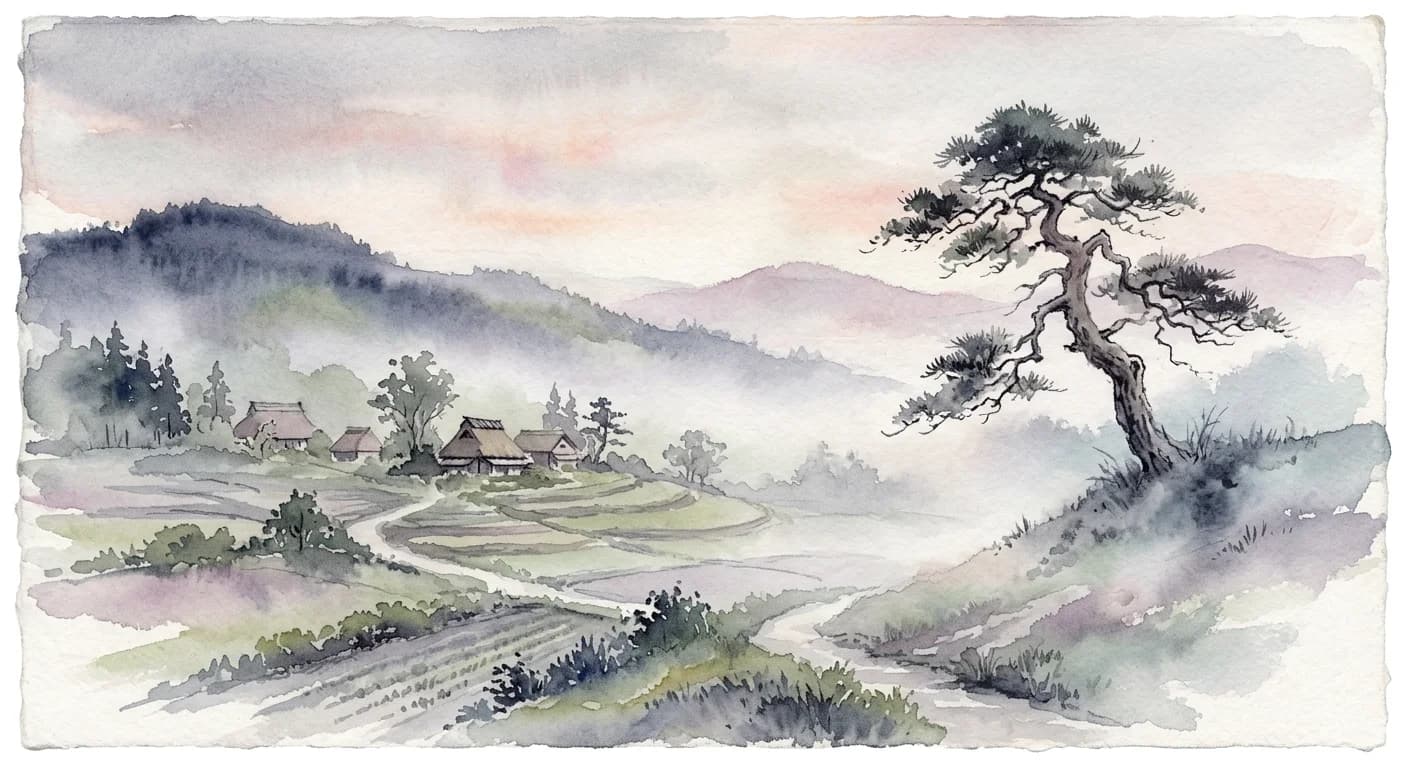
    Artistic representation of Asabano
    Japanese•
    🇯🇵Japan

    Asabano

    /ah-sah-bah-noh/

    Meaning

    Asabano encapsulates the serene and profound atmosphere of a rural landscape just as dawn breaks. It describes the ethereal quietude and crisp clarity of the air, often imbued with a gentle, reflective melancholy as the world awakens. This feeling evokes a deep connection to nature, recognizing the fleeting beauty of the moment and the expansive grandeur of the natural world before the day's activities commence, a sensation difficult to fully capture in other languages.

    Literal Translation

    Asa (朝) means 'morning', no (野) means 'field' or 'plain'. So, 'morning field'.

    The Story Behind the Word

    The existence of 'Asabano' is deeply rooted in Japan's historical agrarian society and its Shinto-Buddhist philosophical traditions. Shinto emphasizes the sacredness of nature and the presence of kami (deities or spirits) in natural phenomena, while Buddhist thought often highlights impermanence (mujō) and the beauty found in transient states. This word reflects a cultural sensibility that values quiet contemplation, a keen awareness of the changing seasons, and a harmonious relationship with the environment. The Japanese aesthetic often finds beauty in simplicity, restraint, and the subtle, profound moments, making 'Asabano' a natural linguistic expression of this worldview. It speaks to a society that has long sought spiritual solace and artistic inspiration in the natural world, particularly during moments of transition like dawn.

    Experience It

    Mountain Village Dawn

    Waking before the sun, Kaito stepped onto his porch. The mist still clung to the distant peaks, and only the chirping of a few early birds broke the profound stillness, creating a perfect sense of asabano.

    Field's First Light

    As the first rays of light touched the rice paddies, casting long shadows, old Mrs. Tanaka paused in her morning walk. The cool air and the quiet rustle of leaves filled her with the deep, peaceful asabano, a feeling she cherished daily.

    The Deeper Meaning

    Asabano speaks to the Japanese aesthetic of mono no aware – the bittersweet poignancy of transient beauty. It highlights a profound appreciation for fleeting moments and the interconnectedness of humanity with the natural world. This word embodies a worldview that finds deep meaning and emotional resonance in subtle, ephemeral experiences, fostering a sense of humble awe before nature's grandeur and cycles.

    Did You Know?

    While 'Asabano' literally translates to 'morning field,' its essence goes far beyond the visual, encompassing auditory stillness, crisp air, and an emotional resonance that purely descriptive words miss.

    How It's Used

    Used to describe the feeling or atmosphere of a quiet, rural landscape, especially in the early morning.

    Emotions
    melancholy,peace,serenity,wonder
    Contexts
    nature,seasons,solitude
    🇯🇵Japan

    by Sofia Rossi·Written Mar 14, 2026·Updated Apr 3, 2026

    Related Words

    Explore more
    SaudadePortuguese

    Saudade encapsulates a profound, melancholic longing for something or someone cherished that is absent, often with the bittersweet knowledge that it may never return. It's a deep emotional state tinged with nostalgia, evoking a sense of loss for past experiences, places, or people, yet also holding a tender appreciation for the beauty of what once was. This yearning is not merely sadness, but a complex tapestry of desire, memory, and a poignant acceptance of absence, holding the beloved in a warm, persistent embrace within the heart.

    Dolce far nienteItalian

    Dolce far niente captures the profound joy and effortless pleasure derived from simply existing without obligation or purpose. It's the art of savoring moments of pure, unadulterated idleness – lying in the sun, watching the clouds drift, or enjoying a leisurely coffee – not as a break from work, but as a valuable state in itself. This 'sweetness of doing nothing' is a conscious embrace of stillness and contentment, allowing the soul to breathe and the senses to fully engage with the present.

    Wabi-sabiJapanese

    Wabi-sabi is the profound appreciation for the ephemeral, the imperfect, and the incomplete aspects of existence. It is about discovering beauty in the subtle textures of age, the unique character of flaws, and the gentle decay that marks the passage of time. This philosophy encourages a quiet acceptance of impermanence and a mindful connection to the natural world, finding elegance in simplicity and authenticity.

    IkigaiJapanese

    Ikigai is more than just a reason to get out of bed; it's a deeply personal and evolving sense of purpose that brings genuine fulfillment and joy to one's life. It represents the sweet spot where your passions, talents, needs of the world, and what you can be paid for beautifully converge. Discovering your ikigai often leads to a life lived with intentionality, resilience, and a profound connection to one's contributions. It's the intrinsic motivation that fuels a meaningful existence, regardless of external circumstances.