U.
HomeRegionsLanguagesEmotionsCollections
Find Your Word

“The limits of my language mean the limits of my world.”

— Ludwig Wittgenstein, Philosopher

Untranslatable

A curated collection of the world's most beautiful expressions—words that remind us language is humanity's greatest invention.

  • Home
  • Collections
  • Regions
  • Countries
  • Emotions
  • Tags
  • Contexts
  • Finder
  • Europe
  • Asia
  • Americas
  • Africa
  • Middle East
  • About
  • Contact
  • Privacy Policy
  • Terms of Service

2026 © Untranslatable. All rights reserved.

    /
    /
    1. Home
    2. /
    3. Asia
    4. /
    5. Awaara
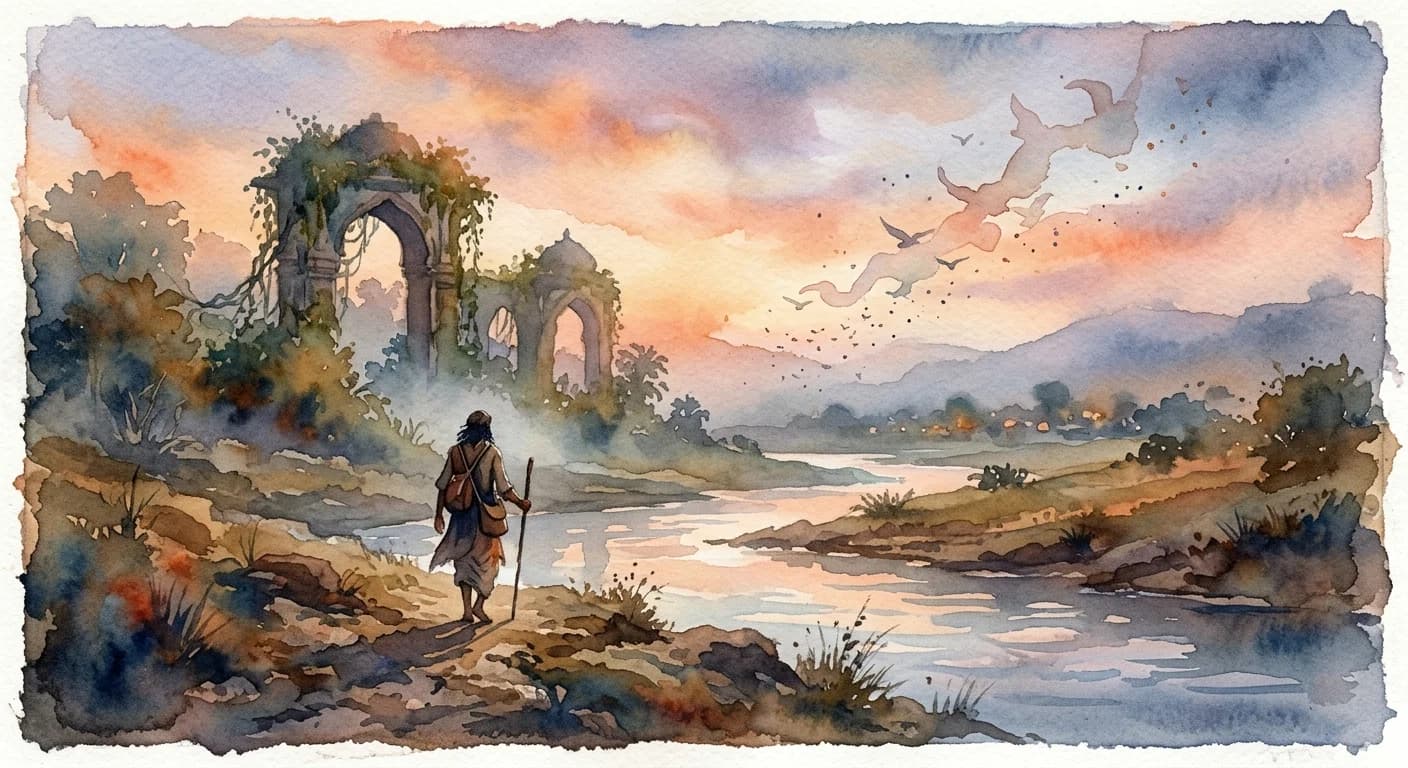
    Artistic representation of Awaara
    Hindi•
    🇮🇳India🇵🇰Pakistan

    Awaara

    /AH-wah-rah/

    Meaning

    The word 'Awaara' describes a free-spirited wanderer, often tinged with romanticized melancholy or defiant independence. This individual drifts through life without a fixed abode or clear purpose, not necessarily due to misfortune, but perhaps by conscious choice or a philosophical detachment from societal norms. They embody a complex blend of freedom and isolation, admired for their unburdened existence yet subtly carrying a profound loneliness or a yearning for something undefined. It evokes a figure who navigates the world on their own terms, an embodiment of both liberation and a subtle rootlessness.

    Literal Translation

    Wanderer, vagabond, rover

    The Story Behind the Word

    The concept of an 'Awaara' is deeply embedded in Indian cultural narratives, particularly in Bollywood cinema, which has romanticized this figure as an anti-hero or a misunderstood seeker of truth. This archetype reflects a society that values community and belonging, making the chosen detachment of the 'Awaara' both intriguing and slightly rebellious. It speaks to a philosophical tradition that questions material attachments and societal expectations, viewing the wanderer as someone on a spiritual or existential journey, even if unconsciously. The 'Awaara' exists as a mirror to societal constraints, celebrating the freedom of the unburdened while acknowledging the inherent solitude of such a path. This figure often represents a yearning for an idealized freedom, a challenge to conformity in a collectivist culture.

    Experience It

    The Poet's Journey

    Rohan packed his small bag, leaving behind the comforts of his city life without a plan. He felt a deep pull to simply walk, to observe, to write, embracing the 'awaara' within him as he wandered from village to village, finding inspiration in every new face and landscape.

    Old Man's Wisdom

    The villagers often saw the old man sitting by the river, never staying in one place for long, always moving with the seasons. They called him an 'awaara' not with scorn, but with a certain respect, believing his travels had granted him a unique, unattached wisdom about the world.

    The Deeper Meaning

    The 'Awaara' embodies a profound philosophical stance on existence, questioning the human need for stability and possessions. It suggests that true freedom might lie in detachment and a willingness to embrace the unknown, even if it brings a subtle melancholy. This archetype challenges the conventional pursuit of happiness through societal integration, proposing an alternative path of self-discovery through unburdened wandering.

    Did You Know?

    The iconic 1951 Bollywood film 'Awaara' starring Raj Kapoor cemented the term's romantic and rebellious connotations, making it synonymous with a charming, yet rootless, protagonist.

    How It's Used

    Used to describe a person who wanders aimlessly, a vagabond, or a drifter. It can also refer to a film or song with themes of wandering or a nomadic lifestyle.

    Emotions
    longing,melancholy,serenity
    Contexts
    farewell,solitude,travel
    🇮🇳India🇵🇰Pakistan

    by Dr. Kenji Tanaka·Written Mar 14, 2026·Updated Apr 3, 2026

    Related Words

    Explore more
    SaudadePortuguese

    Saudade encapsulates a profound, melancholic longing for something or someone cherished that is absent, often with the bittersweet knowledge that it may never return. It's a deep emotional state tinged with nostalgia, evoking a sense of loss for past experiences, places, or people, yet also holding a tender appreciation for the beauty of what once was. This yearning is not merely sadness, but a complex tapestry of desire, memory, and a poignant acceptance of absence, holding the beloved in a warm, persistent embrace within the heart.

    Wabi-sabiJapanese

    Wabi-sabi is the profound appreciation for the ephemeral, the imperfect, and the incomplete aspects of existence. It is about discovering beauty in the subtle textures of age, the unique character of flaws, and the gentle decay that marks the passage of time. This philosophy encourages a quiet acceptance of impermanence and a mindful connection to the natural world, finding elegance in simplicity and authenticity.

    IkigaiJapanese

    Ikigai is more than just a reason to get out of bed; it's a deeply personal and evolving sense of purpose that brings genuine fulfillment and joy to one's life. It represents the sweet spot where your passions, talents, needs of the world, and what you can be paid for beautifully converge. Discovering your ikigai often leads to a life lived with intentionality, resilience, and a profound connection to one's contributions. It's the intrinsic motivation that fuels a meaningful existence, regardless of external circumstances.

    NunchiKorean

    Nunchi is the sophisticated, almost telepathic, ability to instantly grasp the unspoken dynamics of any social situation, anticipating others' thoughts and feelings, and then responding with impeccable grace and timing. It's an acute form of social intuition, allowing one to navigate complex interpersonal landscapes by reading subtle cues like body language, tone, and context. Possessing good nunchi means effortlessly understanding the underlying emotional currents and adjusting one's behavior to maintain harmony and effectiveness, often without a single word exchanged.