U.
HomeRegionsLanguagesEmotionsCollections
Find Your Word

“The limits of my language mean the limits of my world.”

— Ludwig Wittgenstein, Philosopher

Untranslatable

A curated collection of the world's most beautiful expressions—words that remind us language is humanity's greatest invention.

  • Home
  • Collections
  • Regions
  • Countries
  • Emotions
  • Tags
  • Contexts
  • Finder
  • Europe
  • Asia
  • Americas
  • Africa
  • Middle East
  • About
  • Contact
  • Privacy Policy
  • Terms of Service

2026 © Untranslatable. All rights reserved.

    /
    /
    1. Home
    2. /
    3. Asia
    4. /
    5. Ameagari
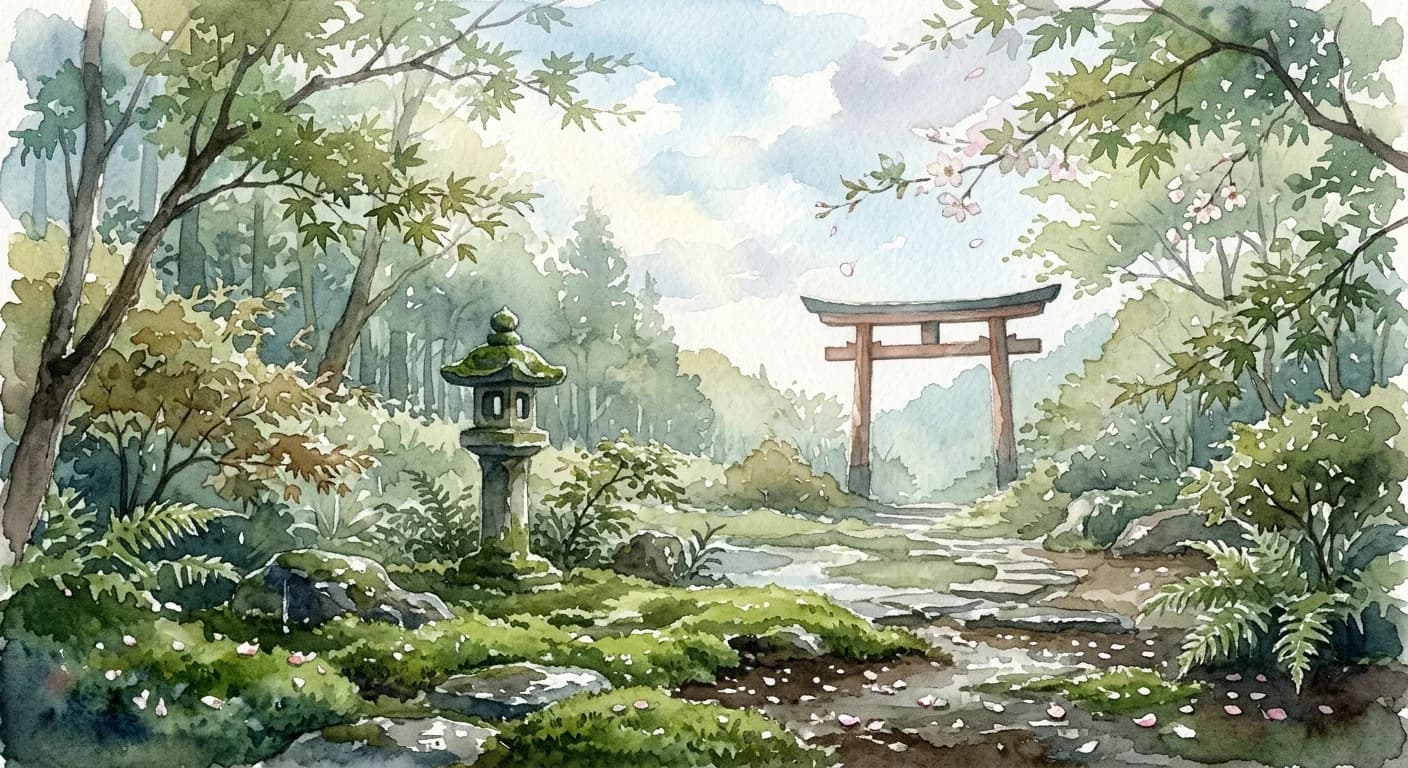
    Artistic representation of Ameagari
    Japanese•
    🇯🇵Japan

    Ameagari

    /ah-meh-ah-gah-ree/

    Meaning

    Ameagari transcends the simple cessation of rain to encapsulate a profound sensory and emotional experience. It's the immediate aftermath when the air feels crisp and purified, carrying the earthy scent of wet soil and blooming flora. Sunlight, often breaking through newly scattered clouds, illuminates glistening surfaces – leaves, puddles, and pavement – creating a sparkling, refreshed landscape. This moment evokes a deep sense of tranquility, clarity, and renewal, marking a gentle, yet palpable, transition from nature's intensity to a state of serene beauty and quiet contemplation.

    Literal Translation

    rain stopping

    The Story Behind the Word

    The Japanese appreciation for "ameagari" stems from a deep-rooted cultural sensitivity to nature's transient beauty and the concept of mono no aware – a poignant awareness of the impermanence of things. Japan's climate, with its distinct rainy seasons and frequent showers, has historically fostered a close relationship between its people and the natural world. This word reflects a cultural inclination to find beauty and philosophical depth in everyday phenomena, particularly those that highlight change and renewal. It embodies the Shinto reverence for nature's cleansing power and the Buddhist understanding of cycles, offering a moment of purification and a fresh start both externally and internally. The ability to articulate such a specific, fleeting moment underscores a cultural practice of mindful observation and an aesthetic valuing of subtle shifts in atmosphere.

    Experience It

    Garden's Gentle Sparkle

    After a sudden downpour, the old gardener emerged onto his porch, taking a deep breath. The "ameagari" had transformed his garden; every leaf now held a shimmering droplet, and the air was alive with the scent of damp earth and renewed hydrangeas.

    City's Quiet Glow

    The bustling street had fallen quiet during the rain, but with the "ameagari," a soft light emerged, reflecting off the wet asphalt. Pedestrians reappeared, their footsteps echoing softly in the remarkably clear, cool air, a collective sigh of relief palpable across the district.

    The Deeper Meaning

    Ameagari reflects a profound Japanese philosophy of finding beauty and meaning in transitional moments and the impermanence of nature. It embodies the idea that clarity and renewal often follow periods of intensity, encouraging an appreciation for sudden shifts in atmosphere. This word suggests that true beauty lies not just in static perfection, but in the dynamic, fleeting moments of change and the subsequent purification they bring, offering a refreshed perspective on the world.

    Did You Know?

    The specific scent associated with "ameagari" and after rain is called petrichor, caused by plant oils and a bacterial byproduct released into the air.

    How It's Used

    Used to describe the period right after it stops raining, often evoking the specific sensory details of that time.

    Emotions
    hope,peace,serenity,wonder
    Contexts
    nature,seasons,weather
    🇯🇵Japan

    by Anya Petrova·Written Mar 14, 2026·Updated Apr 3, 2026

    Related Words

    Explore more
    Dolce far nienteItalian

    Dolce far niente captures the profound joy and effortless pleasure derived from simply existing without obligation or purpose. It's the art of savoring moments of pure, unadulterated idleness – lying in the sun, watching the clouds drift, or enjoying a leisurely coffee – not as a break from work, but as a valuable state in itself. This 'sweetness of doing nothing' is a conscious embrace of stillness and contentment, allowing the soul to breathe and the senses to fully engage with the present.

    Wabi-sabiJapanese

    Wabi-sabi is the profound appreciation for the ephemeral, the imperfect, and the incomplete aspects of existence. It is about discovering beauty in the subtle textures of age, the unique character of flaws, and the gentle decay that marks the passage of time. This philosophy encourages a quiet acceptance of impermanence and a mindful connection to the natural world, finding elegance in simplicity and authenticity.

    IkigaiJapanese

    Ikigai is more than just a reason to get out of bed; it's a deeply personal and evolving sense of purpose that brings genuine fulfillment and joy to one's life. It represents the sweet spot where your passions, talents, needs of the world, and what you can be paid for beautifully converge. Discovering your ikigai often leads to a life lived with intentionality, resilience, and a profound connection to one's contributions. It's the intrinsic motivation that fuels a meaningful existence, regardless of external circumstances.

    NunchiKorean

    Nunchi is the sophisticated, almost telepathic, ability to instantly grasp the unspoken dynamics of any social situation, anticipating others' thoughts and feelings, and then responding with impeccable grace and timing. It's an acute form of social intuition, allowing one to navigate complex interpersonal landscapes by reading subtle cues like body language, tone, and context. Possessing good nunchi means effortlessly understanding the underlying emotional currents and adjusting one's behavior to maintain harmony and effectiveness, often without a single word exchanged.