U.
HomeRegionsLanguagesEmotionsCollections
Find Your Word

“The limits of my language mean the limits of my world.”

— Ludwig Wittgenstein, Philosopher

Untranslatable

A curated collection of the world's most beautiful expressions—words that remind us language is humanity's greatest invention.

  • Home
  • Collections
  • Regions
  • Countries
  • Emotions
  • Tags
  • Contexts
  • Finder
  • Europe
  • Asia
  • Americas
  • Africa
  • Middle East
  • About
  • Contact
  • Privacy Policy
  • Terms of Service

2026 © Untranslatable. All rights reserved.

    /
    /
    1. Home
    2. /
    3. Middle East
    4. /
    5. Tamaam
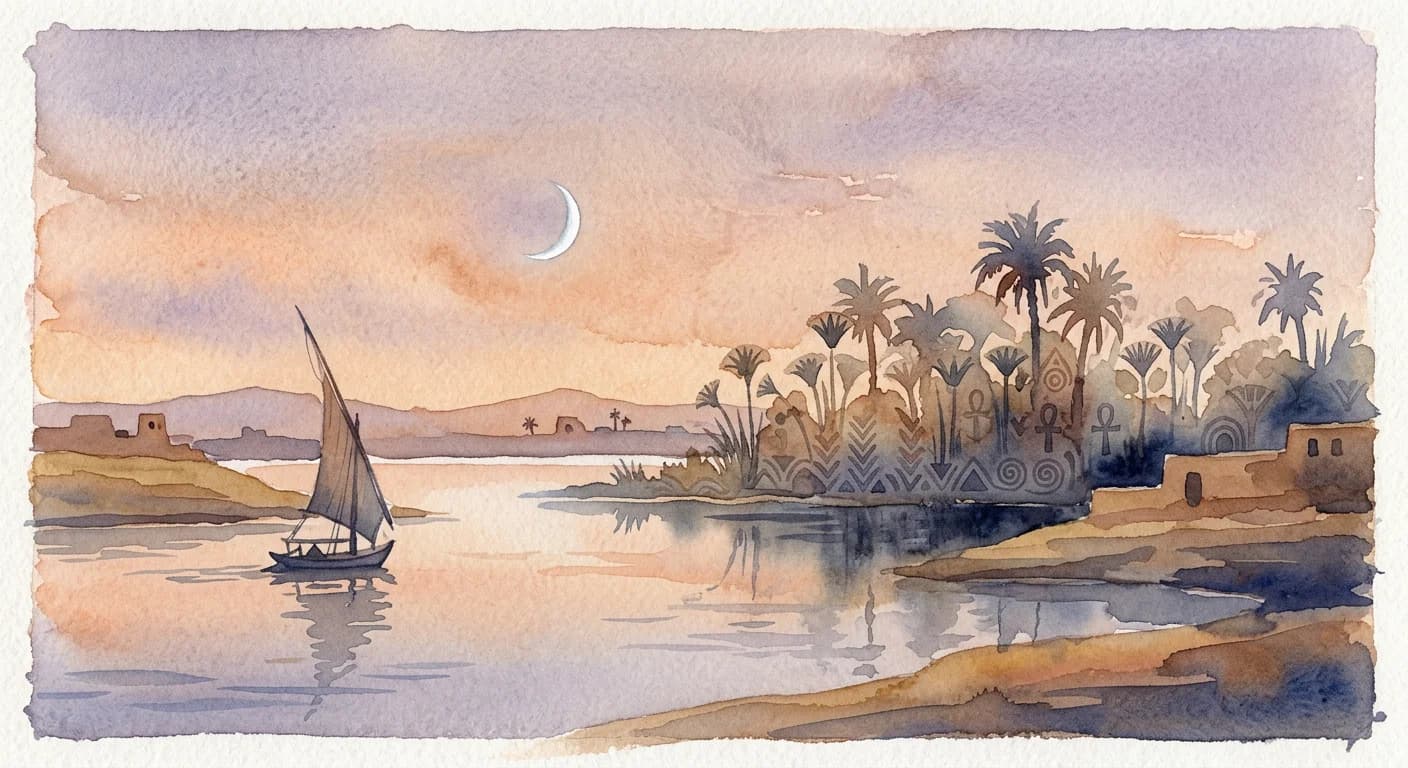
    Artistic representation of Tamaam
    Arabic•
    🇩🇿Algeria🇧🇭Bahrain🇩🇯Djibouti🇪🇬Egypt🇮🇶Iraq🇯🇴Jordan🇰🇼Kuwait🇱🇧Lebanon🇱🇾Libya🇲🇷Mauritania🇲🇦Morocco🇴🇲Oman🇵🇸Palestine🇶🇦Qatar🇸🇦Saudi Arabia🇸🇴Somalia🇸🇩Sudan🇸🇾Syria🇹🇳Tunisia🇦🇪United Arab Emirates🇾🇪Yemen

    Tamaam

    /ta-MAAM/

    Meaning

    More than just 'okay' or 'fine,' 'tamaam' signifies a profound state of completeness, perfection, and utter satisfaction. It conveys that everything is truly in its right place, functioning precisely as it should, bringing a deep sense of contentment and inner peace. This word encapsulates a feeling of harmony where all elements align perfectly, leaving no room for complaint or desire for change. It's the feeling of a job exquisitely done, a situation resolved flawlessly, or a personal state of being that is completely at ease and without flaw.

    Literal Translation

    Complete, entire, perfect

    The Story Behind the Word

    The prevalence and depth of 'tamaam' in Egyptian Arabic reflect a cultural inclination towards seeking and appreciating holistic well-being and resolution. In a society often navigating complex social structures and daily challenges, the concept of 'tamaam' offers a linguistic and psychological refuge—a moment where everything is truly 'perfect' and harmonious. It speaks to a collective desire for order, completeness, and the satisfaction derived from things being in their intended state. This isn't merely about achieving a task, but about the profound emotional and spiritual contentment that comes from a situation being fully settled, balanced, and without lingering imperfections. It underscores a value placed on thoroughness and the quiet joy of equilibrium.

    Experience It

    A Perfect Meal

    After a long day, Sarah settles down to a home-cooked meal. Each dish is flavorful, the company is warm, and the ambiance is just right. Taking a deep breath, she smiles and says, 'Alhamdulillah, this is truly tamaam.'

    Task Completed Flawlessly

    Ahmed has been working tirelessly on a complex project. After the final review, he submits it, confident in every detail. When his colleague asks if it's all ready, Ahmed responds with a firm and satisfied, 'Tamaam!'

    The Deeper Meaning

    The word 'tamaam' reflects a worldview that values completeness and internal harmony as the ultimate state of existence. It suggests a philosophical leaning towards seeking balance, resolution, and a deep appreciation for moments when things align perfectly, rather than perpetually striving for more. It's about recognizing and affirming the 'enoughness' and inherent perfection of a present state.

    Did You Know?

    While often translated as 'okay,' the enthusiastic and drawn-out pronunciation of 'Tamaaaam!' with a wide smile conveys a level of satisfaction far beyond simple agreement, almost like a sigh of perfect contentment.

    How It's Used

    Used as an affirmative response, a statement of satisfaction, or to confirm that something is complete or in order. It can be used in response to 'How are you?' or to confirm that a task is finished.

    Emotions
    contentment,gratitude,peace,serenity
    Contexts
    dining,greeting,relaxation,work
    🇩🇿Algeria🇧🇭Bahrain🇩🇯Djibouti🇪🇬Egypt🇮🇶Iraq🇯🇴Jordan🇰🇼Kuwait🇱🇧Lebanon🇱🇾Libya🇲🇷Mauritania🇲🇦Morocco🇴🇲Oman🇵🇸Palestine🇶🇦Qatar🇸🇦Saudi Arabia🇸🇴Somalia🇸🇩Sudan🇸🇾Syria🇹🇳Tunisia🇦🇪United Arab Emirates🇾🇪Yemen

    by Anya Petrova·Written Mar 14, 2026·Updated Apr 3, 2026

    Related Words

    Explore more
    HyggeDanish

    Hygge is more than mere coziness; it's a holistic embrace of comfort, warmth, and belonging that nourishes the soul. It describes the intentional creation of an intimate atmosphere where simple pleasures, genuine connection, and mindful presence converge, fostering a profound sense of contentment and well-being. It's about finding joy and peace in the small, everyday moments, often shared with loved ones.

    Dolce far nienteItalian

    Dolce far niente captures the profound joy and effortless pleasure derived from simply existing without obligation or purpose. It's the art of savoring moments of pure, unadulterated idleness – lying in the sun, watching the clouds drift, or enjoying a leisurely coffee – not as a break from work, but as a valuable state in itself. This 'sweetness of doing nothing' is a conscious embrace of stillness and contentment, allowing the soul to breathe and the senses to fully engage with the present.

    Pura vidaSpanish

    More than just 'pure life,' "Pura vida" encapsulates a profound philosophy of embracing the present moment with unwavering optimism and gratitude. It's a daily commitment to finding joy in simple pleasures, accepting life's challenges with a positive spirit, and prioritizing well-being over material possessions. This ubiquitous phrase reflects a national identity built on resilience, community, and an deep appreciation for nature's bounty.

    TarofPersian

    Tarof is a deeply ingrained Iranian social custom, a delicate dance of politeness and deference where individuals engage in an elaborate exchange of offers and refusals. It's a performative humility, a way of showing respect and avoiding imposing, often involving multiple cycles of insistence and polite decline before a genuine acceptance or refusal is reached. This intricate ritual governs interactions from sharing food to paying bills, creating a nuanced social ballet.