U.
HomeRegionsLanguagesEmotionsCollections
Find Your Word

“The limits of my language mean the limits of my world.”

— Ludwig Wittgenstein, Philosopher

Untranslatable

A curated collection of the world's most beautiful expressions—words that remind us language is humanity's greatest invention.

  • Home
  • Collections
  • Regions
  • Countries
  • Emotions
  • Tags
  • Contexts
  • Finder
  • Europe
  • Asia
  • Americas
  • Africa
  • Middle East
  • About
  • Contact
  • Privacy Policy
  • Terms of Service

2026 © Untranslatable. All rights reserved.

    /
    /
    1. Home
    2. /
    3. Middle East
    4. /
    5. Amazigh
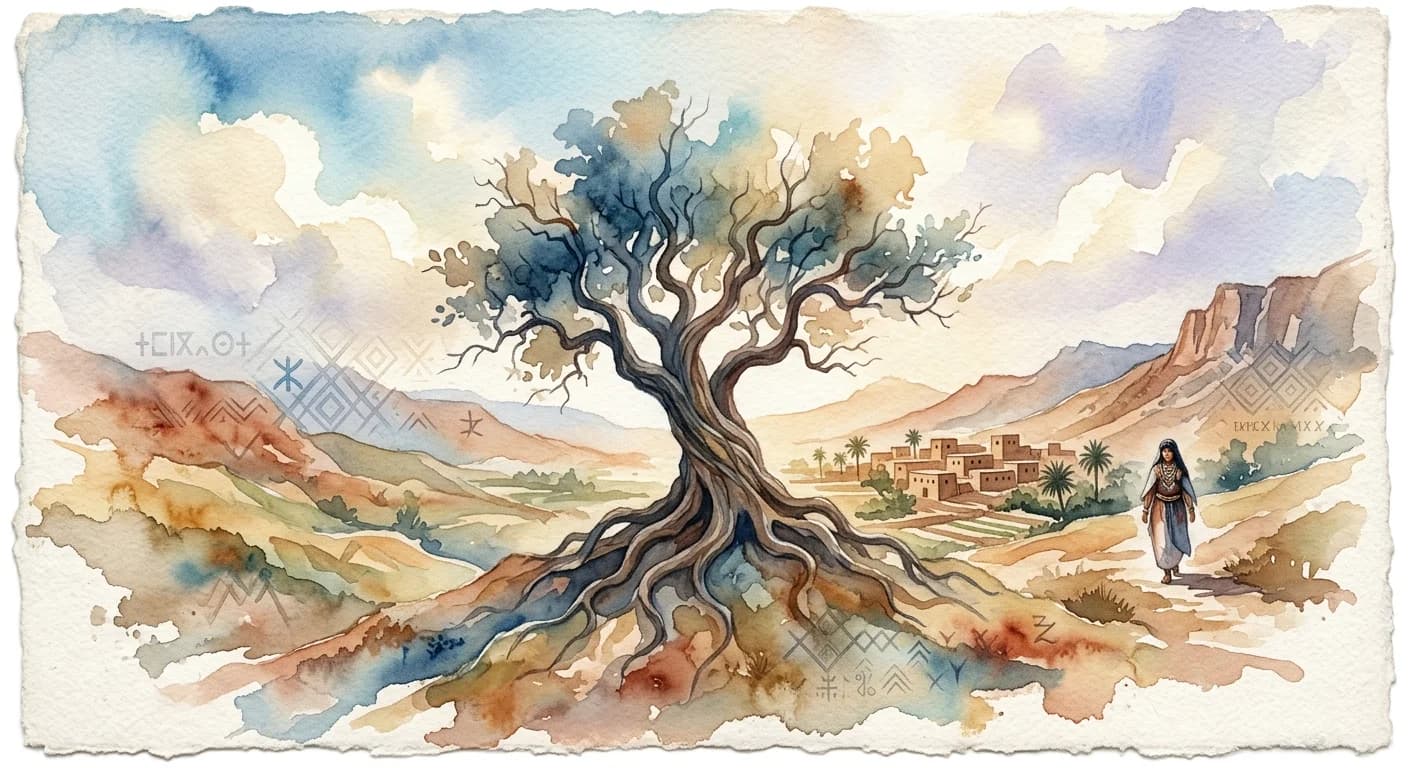
    Artistic representation of Amazigh
    Tamazight•
    🇩🇿Algeria🇱🇾Libya🇲🇱Mali🇲🇦Morocco🇳🇪Niger🇹🇳Tunisia

    Amazigh

    /ah-mah-ZEEG/

    Meaning

    Amazigh transcends a simple label; it is a profound declaration of identity for the indigenous peoples of North Africa, asserting their ancient roots and enduring presence. It embodies a fierce pride in a rich cultural tapestry of language, traditions, and a deep, spiritual connection to the land that predates external influences. This self-identifier signifies resilience, a collective spirit, and an ongoing affirmation of a unique heritage in the face of historical challenges and diverse cultural currents.

    Literal Translation

    free man

    The Story Behind the Word

    The term 'Amazigh,' meaning 'free man,' emerged as a powerful self-designation, replacing the exonym 'Berber,' which is often considered pejorative, deriving from the Greek 'barbaros.' Its existence reflects centuries of resistance and the preservation of a distinct cultural identity amidst successive waves of colonization and cultural assimilation, from Roman to Arab and European influences. The word reveals a worldview deeply rooted in self-determination, independence, and a profound connection to ancestral lands that are seen not just as territory, but as the very essence of their being. The Amazigh people's history is one of continuous struggle to maintain their language (Tamazight), customs, and societal structures, embodying a spirit that values freedom and legacy above all else. This word is a testament to their enduring spirit and their claim to a fundamental place in North African history and contemporary society.

    Experience It

    Generational Identity

    A young woman, born in Casablanca but with roots in the Atlas Mountains, proudly introduces herself at a cultural festival. 'I am Amazigh,' she declares, her voice resonating with a deep sense of belonging, connecting her to millennia of heritage, not just a modern nation-state.

    Language Revitalization

    In a remote village school, children are learning the Tifinagh script. The elder teacher explains, 'Learning Tamazight is not just learning words; it's embracing who we are, it's being Amazigh.' This act reinforces their cultural continuity and linguistic pride.

    The Deeper Meaning

    The word 'Amazigh' encapsulates a philosophy of inherent freedom and self-sovereignty. It suggests that true identity is not imposed but discovered internally, tied to one's ancestral lineage and the land itself. This worldview emphasizes resilience, cultural preservation as a form of resistance, and the enduring human spirit's capacity to maintain distinctiveness despite external pressures.

    Did You Know?

    The Tifinagh script, used to write Tamazight, is one of the oldest continuously used writing systems in the world, with origins tracing back over 2,500 years.

    How It's Used

    Used as a proper noun to refer to the indigenous people of North Africa and their languages. It is a self-identifier, emphasizing cultural and ethnic belonging.

    Emotions
    belonging,pride
    Contexts
    cultural identity,daily life,history
    🇩🇿Algeria🇱🇾Libya🇲🇱Mali🇲🇦Morocco🇳🇪Niger🇹🇳Tunisia

    by Sofia Rossi·Written Mar 14, 2026·Updated Apr 3, 2026

    Related Words

    Explore more
    SobremesaSpanish

    Sobremesa is the cherished, often extended period immediately following a meal, particularly lunch or dinner, where diners remain seated at the table to enjoy conversation, coffee, and digest not just the food, but the company itself. It’s a dedicated time for unhurried social bonding, storytelling, and shared laughter, transforming a simple meal into a profound communal experience. Far from just clearing the dishes, sobremesa is an integral part of Spanish social life, often lasting for hours.

    UbuntuZulu/Xhosa

    Ubuntu is a profound African philosophy that translates to 'I am because we are,' signifying that an individual's humanity is inextricably linked to the humanity of others. It embodies the belief that our existence and well-being are deeply intertwined with the community. This concept emphasizes compassion, reciprocity, dignity, and the understanding that true fulfillment is found not in isolation, but through collective flourishing and mutual support. It's a call to recognize and affirm the humanity in everyone, fostering a sense of interconnectedness.

    TarofPersian

    Tarof is a deeply ingrained Iranian social custom, a delicate dance of politeness and deference where individuals engage in an elaborate exchange of offers and refusals. It's a performative humility, a way of showing respect and avoiding imposing, often involving multiple cycles of insistence and polite decline before a genuine acceptance or refusal is reached. This intricate ritual governs interactions from sharing food to paying bills, creating a nuanced social ballet.

    TarabArabic

    Tarab is far more than mere enjoyment; it's a profound, almost spiritual communion with music, where the performer and audience become one in a shared emotional journey. It signifies a state of ecstatic enchantment, a deep emotional surrender that transcends the self, leading to a transformative experience. This intense connection often manifests as spontaneous vocalizations, tears, or even physical swaying, as the music penetrates the soul and evokes a powerful release of feeling. It's a moment of pure, unadulterated musical rapture.