U.
HomeRegionsLanguagesEmotionsCollections
Find Your Word

“The limits of my language mean the limits of my world.”

— Ludwig Wittgenstein, Philosopher

Untranslatable

A curated collection of the world's most beautiful expressions—words that remind us language is humanity's greatest invention.

  • Home
  • Collections
  • Regions
  • Countries
  • Emotions
  • Tags
  • Contexts
  • Finder
  • Europe
  • Asia
  • Americas
  • Africa
  • Middle East
  • About
  • Contact
  • Privacy Policy
  • Terms of Service

2026 © Untranslatable. All rights reserved.

    /
    /
    1. Home
    2. /
    3. Asia
    4. /
    5. Hagakure
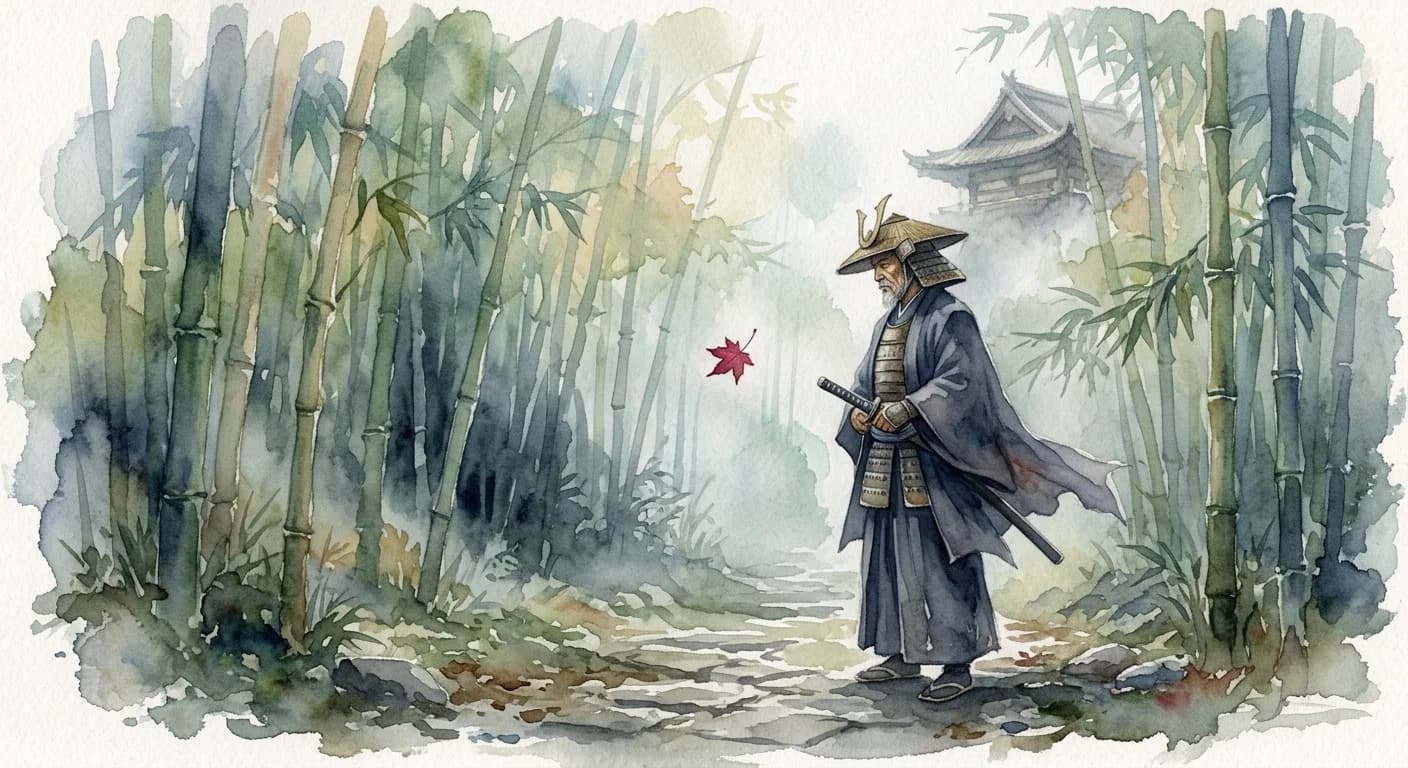
    Artistic representation of Hagakure
    Japanese•
    🇯🇵Japan

    Hagakure

    /HAH-gah-koo-reh/

    Meaning

    Hagakure, literally 'Hidden by the Leaves,' is an early 18th-century compilation of samurai wisdom, serving as a profound spiritual and practical guide to the warrior's path. It champions a philosophy of embracing death as an ever-present companion, fostering unwavering resolve and absolute loyalty in every moment. More than a manual for combat, it cultivates an intense inner readiness, stoicism, and a life lived without regret, always poised for ultimate sacrifice.

    Literal Translation

    Hidden by the Leaves

    The Story Behind the Word

    Hagakure emerged during a period of relative peace in Japan, the Tokugawa era, when the samurai class was transitioning from battlefield warriors to administrators. This shift led to an existential crisis for many samurai, prompting a re-evaluation of their purpose and identity. Yamamoto Tsunetomo, the author, compiled these teachings to preserve the 'true' spirit of Bushido (the Way of the Warrior) which he felt was eroding. The text emphasizes a romanticized ideal of the samurai, prioritizing honor, loyalty unto death, and a stoic acceptance of fate above all else. It reflects a cultural yearning for a bygone era of heroic sacrifice and pure dedication, influencing subsequent generations' understanding of Japanese martial and ethical virtues.

    Experience It

    Unwavering Loyalty Displayed

    A young executive, facing intense pressure from competitors, refused to betray his company's long-standing ethical code, even when it meant personal financial loss. His colleagues remarked that he embodied the spirit of Hagakure, prioritizing integrity and loyalty above all else, like a samurai steadfast in his commitment.

    Embracing the Present

    An artist, knowing her current project would be her last due to illness, poured every ounce of her remaining energy and passion into it. She worked with an intense focus and acceptance, creating her masterpiece without a single trace of regret, a true testament to the Hagakure ideal of living each moment fully, as if it were one's last.

    The Deeper Meaning

    Hagakure reveals a deep philosophical current in Japanese thought that values the transience of life and the beauty of accepting one's fate, even death, with grace and resolve. It underscores that true strength lies not in avoiding death, but in living so fully and honorably that one is always prepared for it, transforming fear into a catalyst for intense, purposeful action. This worldview prioritizes internal readiness over external circumstance.

    Did You Know?

    Despite its profound influence, Hagakure was not widely read or published until the early 20th century. It was originally a private compilation, passed down within the Nabeshima clan, and only gained widespread recognition much later.

    How It's Used

    The term 'Hagakure' primarily refers to the book itself, but the philosophy it espouses can be invoked when discussing the samurai code, bushido, or a mindset of intense dedication and acceptance of fate.

    Emotions
    gratitude,peace,serenity
    Contexts
    farewell,solitude,work
    🇯🇵Japan

    by Annelise Dubois·Written Mar 14, 2026·Updated Apr 3, 2026

    Related Words

    Explore more
    Dolce far nienteItalian

    Dolce far niente captures the profound joy and effortless pleasure derived from simply existing without obligation or purpose. It's the art of savoring moments of pure, unadulterated idleness – lying in the sun, watching the clouds drift, or enjoying a leisurely coffee – not as a break from work, but as a valuable state in itself. This 'sweetness of doing nothing' is a conscious embrace of stillness and contentment, allowing the soul to breathe and the senses to fully engage with the present.

    Wabi-sabiJapanese

    Wabi-sabi is the profound appreciation for the ephemeral, the imperfect, and the incomplete aspects of existence. It is about discovering beauty in the subtle textures of age, the unique character of flaws, and the gentle decay that marks the passage of time. This philosophy encourages a quiet acceptance of impermanence and a mindful connection to the natural world, finding elegance in simplicity and authenticity.

    IkigaiJapanese

    Ikigai is more than just a reason to get out of bed; it's a deeply personal and evolving sense of purpose that brings genuine fulfillment and joy to one's life. It represents the sweet spot where your passions, talents, needs of the world, and what you can be paid for beautifully converge. Discovering your ikigai often leads to a life lived with intentionality, resilience, and a profound connection to one's contributions. It's the intrinsic motivation that fuels a meaningful existence, regardless of external circumstances.

    NunchiKorean

    Nunchi is the sophisticated, almost telepathic, ability to instantly grasp the unspoken dynamics of any social situation, anticipating others' thoughts and feelings, and then responding with impeccable grace and timing. It's an acute form of social intuition, allowing one to navigate complex interpersonal landscapes by reading subtle cues like body language, tone, and context. Possessing good nunchi means effortlessly understanding the underlying emotional currents and adjusting one's behavior to maintain harmony and effectiveness, often without a single word exchanged.