U.
HomeRegionsLanguagesEmotionsCollections
Find Your Word

“The limits of my language mean the limits of my world.”

— Ludwig Wittgenstein, Philosopher

Untranslatable

A curated collection of the world's most beautiful expressions—words that remind us language is humanity's greatest invention.

  • Home
  • Collections
  • Regions
  • Countries
  • Emotions
  • Tags
  • Contexts
  • Finder
  • Europe
  • Asia
  • Americas
  • Africa
  • Middle East
  • About
  • Contact
  • Privacy Policy
  • Terms of Service

2026 © Untranslatable. All rights reserved.

    /
    /
    1. Home
    2. /
    3. Africa
    4. /
    5. Indaba
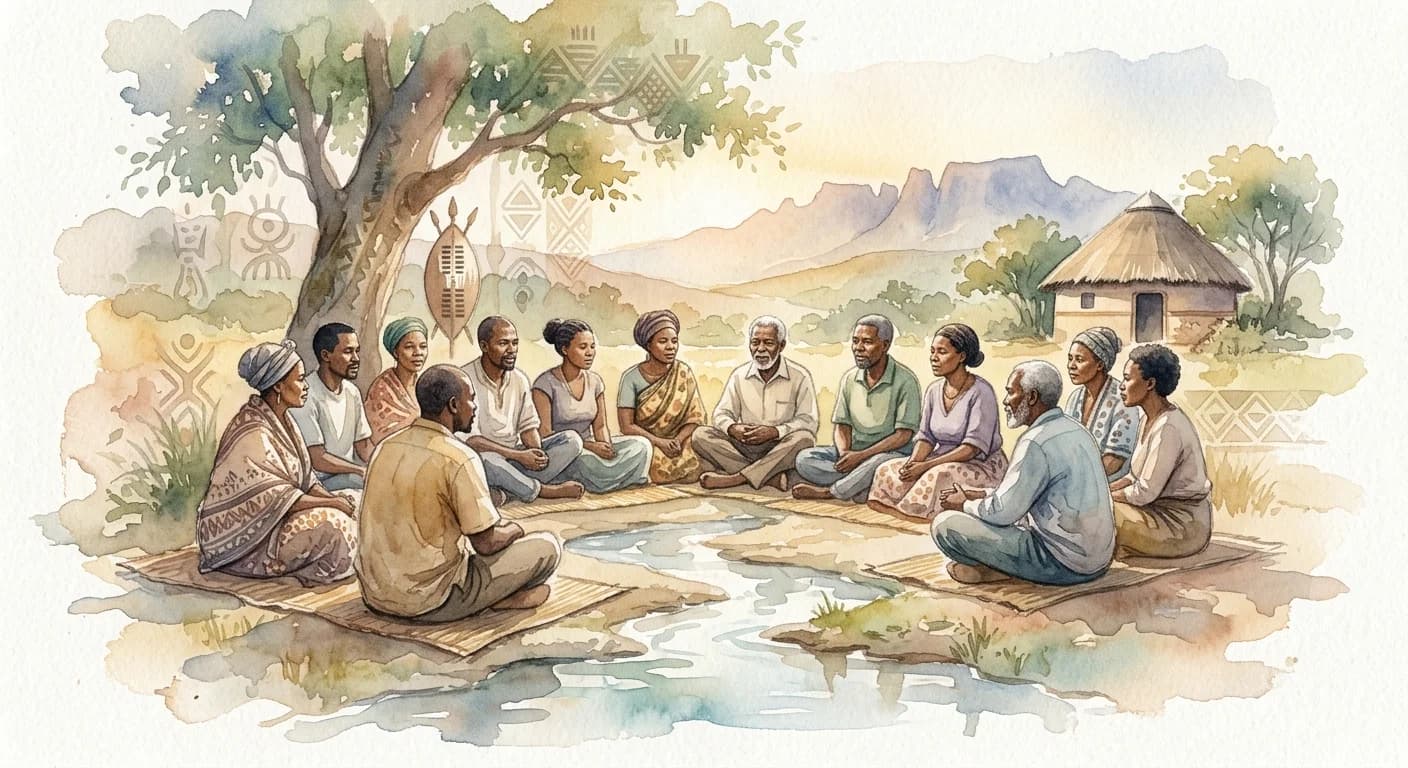
    Artistic representation of Indaba
    Zulu•
    🇿🇦South Africa

    Indaba

    /in-DAH-bah/

    Meaning

    Indaba transcends a mere meeting; it embodies a profound gathering, a serious consultation, or a conference where vital communal matters are meticulously deliberated. It carries immense cultural weight, signifying a collective convergence of minds to dissect issues, impart ancestral wisdom, or forge binding communal decisions. This concept is steeped in respectful dialogue, collaborative problem-solving, and the paramount importance of achieving community consensus through patient, inclusive engagement.

    Literal Translation

    discussion, news, matter, affair

    The Story Behind the Word

    The word 'Indaba' is deeply woven into the fabric of Southern African communal life, reflecting a worldview where individual identity is intrinsically linked to the collective ('ubuntu'). Historically, Indabas were central to governance, dispute resolution, and community planning among Zulu and other Nguni peoples. They were not just about reaching a decision, but about the process itself: ensuring every voice, especially those of elders, was heard and respected, fostering unity rather than division. This emphasis on dialogue and consensus-building reveals a profound valuing of social harmony and the belief that true wisdom emerges from collective deliberation. An Indaba was, and often still is, a sacred space where the well-being of the community takes precedence over individual desires, embodying a philosophy of shared responsibility and collective flourishing.

    Experience It

    Village Land Dispute

    The elders called an Indaba to discuss the encroachment on communal grazing lands. Villagers from all homesteads gathered under the great marula tree, each given a chance to speak their mind and offer solutions, before a collective decision was reached on how to approach the neighboring chief.

    Community Development Project

    Before starting the new school building, the headman held an Indaba with the community leaders, teachers, and parents. They debated the best location, the materials to be used, and how everyone could contribute, ensuring the project reflected the community's shared vision.

    The Deeper Meaning

    Indaba encapsulates a philosophy of 'ubuntu' in action, where humanity is found in relationship with others. It champions the idea that true solutions and sustainable decisions emerge not from individual authority, but from the patient, respectful, and inclusive engagement of the entire community. This process-oriented approach values collective wisdom, social cohesion, and the belief that consensus, even if slow, leads to stronger, more enduring outcomes for all.

    Did You Know?

    The iconic 'Indaba Tree' at the Southern Sun Elangeni & Maharani hotel in Durban is a modern tribute to this ancient tradition, symbolizing a place of gathering and important discussions.

    How It's Used

    Used to refer to a formal meeting, conference, or consultation, especially within a community or for important discussions.

    Emotions
    belonging,gratitude,peace
    Contexts
    celebration,family,work
    🇿🇦South Africa

    by Kwame Nkrumah·Written Mar 14, 2026·Updated Apr 3, 2026

    Related Words

    Explore more
    Dolce far nienteItalian

    Dolce far niente captures the profound joy and effortless pleasure derived from simply existing without obligation or purpose. It's the art of savoring moments of pure, unadulterated idleness – lying in the sun, watching the clouds drift, or enjoying a leisurely coffee – not as a break from work, but as a valuable state in itself. This 'sweetness of doing nothing' is a conscious embrace of stillness and contentment, allowing the soul to breathe and the senses to fully engage with the present.

    SobremesaSpanish

    Sobremesa is the cherished, often extended period immediately following a meal, particularly lunch or dinner, where diners remain seated at the table to enjoy conversation, coffee, and digest not just the food, but the company itself. It’s a dedicated time for unhurried social bonding, storytelling, and shared laughter, transforming a simple meal into a profound communal experience. Far from just clearing the dishes, sobremesa is an integral part of Spanish social life, often lasting for hours.

    Pura vidaSpanish

    More than just 'pure life,' "Pura vida" encapsulates a profound philosophy of embracing the present moment with unwavering optimism and gratitude. It's a daily commitment to finding joy in simple pleasures, accepting life's challenges with a positive spirit, and prioritizing well-being over material possessions. This ubiquitous phrase reflects a national identity built on resilience, community, and an deep appreciation for nature's bounty.

    UbuntuZulu/Xhosa

    Ubuntu is a profound African philosophy that translates to 'I am because we are,' signifying that an individual's humanity is inextricably linked to the humanity of others. It embodies the belief that our existence and well-being are deeply intertwined with the community. This concept emphasizes compassion, reciprocity, dignity, and the understanding that true fulfillment is found not in isolation, but through collective flourishing and mutual support. It's a call to recognize and affirm the humanity in everyone, fostering a sense of interconnectedness.