Jilbab
/JIL-bahb/
Meaning
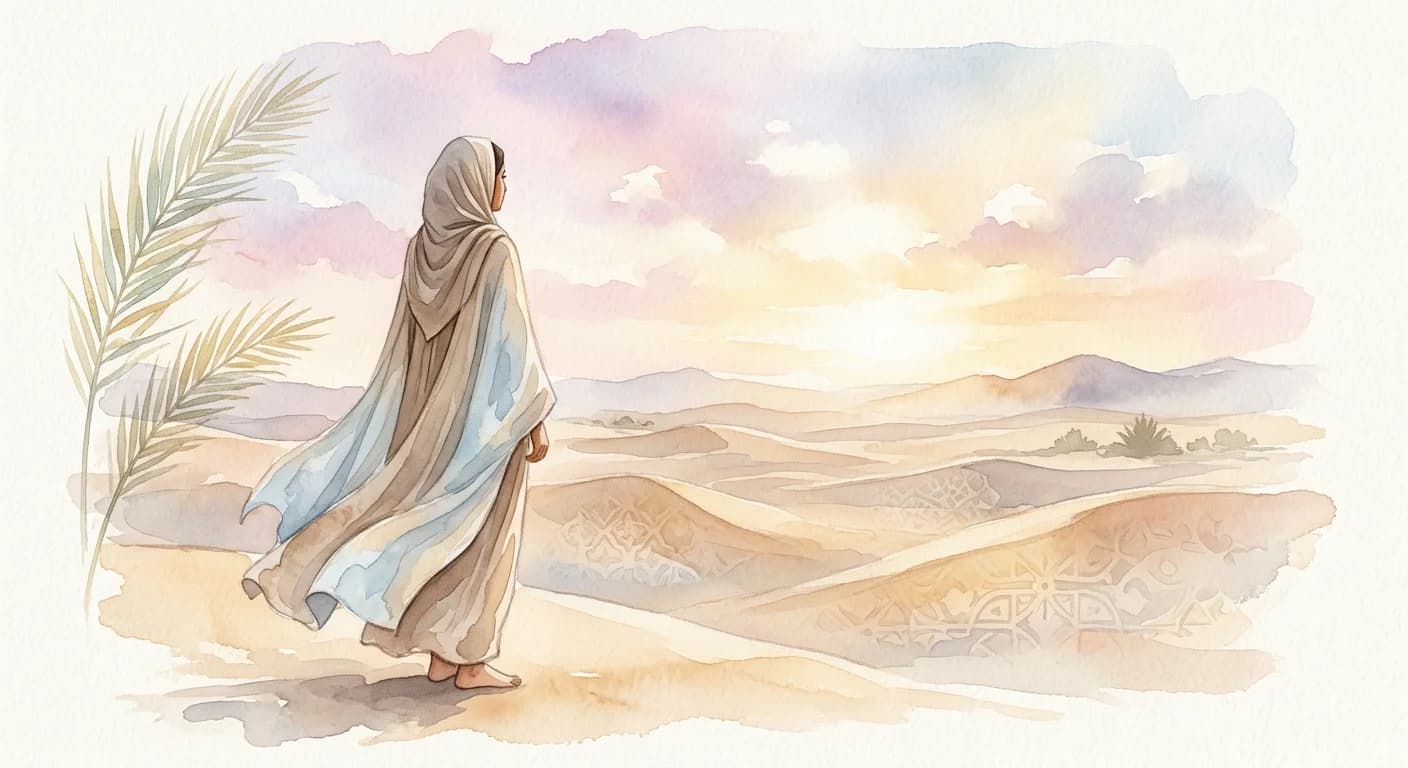
The jilbab is a long, flowing outer garment, typically covering the entire body except for the hands and face, worn by some Muslim women. It is a profound expression of modesty (haya), humility, and devotion to God, signifying a woman's personal commitment to her faith and her desire to be recognized for her inner character rather than her outward appearance. Far more than mere clothing, it embodies a spiritual identity, connecting the wearer to a global community of believers and often chosen as an act of personal empowerment and a conscious rejection of prevailing secular fashion norms.
Literal Translation
veil, covering
The Story Behind the Word
The concept of jilbab, rooted in Quranic injunctions (e.g., Surah Al-Ahzab 33:59), reflects a deep-seated cultural value of modesty and protection within Islamic societies, particularly in Saudi Arabia. It's not just about covering the body, but about creating a spiritual and social boundary that redefines public interaction, emphasizing dignity and respect. The jilbab historically allowed women to move freely in public while maintaining their piety and safeguarding their honor, challenging superficial judgments based on physical attractiveness. Its widespread adoption underscores a collective societal understanding of female virtue and the importance of faith in daily life, shaping public spaces and gender dynamics.
Experience It
Choosing Her Jilbab
Aisha carefully selected a new jilbab from the market, its dark fabric flowing gracefully. For her, wearing it was a daily affirmation of her faith and a quiet statement of her personal values in a world often focused on outward display. She felt a sense of peace and strength as she put it on.
Entering the Mosque
As Fatima prepared to enter the Grand Mosque, she adjusted her jilbab, ensuring it covered her completely. In this sacred space, her garment was a visible sign of her reverence and submission to God, allowing her to focus fully on prayer and spiritual devotion without distraction.
The Deeper Meaning
The jilbab embodies a philosophy where self-worth is derived from spiritual connection and inner virtue, rather than external validation or physical appearance. It challenges the objectification of women, asserting their agency in defining how they are perceived in public. This choice reflects a worldview that prioritizes divine command and communal values over individualistic expression in certain contexts.
Did You Know?
While often associated with black, jilbabs come in a wide array of colors and styles across different regions, reflecting local traditions and personal preferences, from muted tones to vibrant hues.
How It's Used
Worn by Muslim women as a form of modest dress, often in public or for religious occasions.