U.
HomeRegionsLanguagesEmotionsCollections
Find Your Word

“The limits of my language mean the limits of my world.”

— Ludwig Wittgenstein, Philosopher

Untranslatable

A curated collection of the world's most beautiful expressions—words that remind us language is humanity's greatest invention.

  • Home
  • Collections
  • Regions
  • Countries
  • Emotions
  • Tags
  • Contexts
  • Finder
  • Europe
  • Asia
  • Americas
  • Africa
  • Middle East
  • About
  • Contact
  • Privacy Policy
  • Terms of Service

2026 © Untranslatable. All rights reserved.

    /
    /
    1. Home
    2. /
    3. Asia
    4. /
    5. Jimjilbang
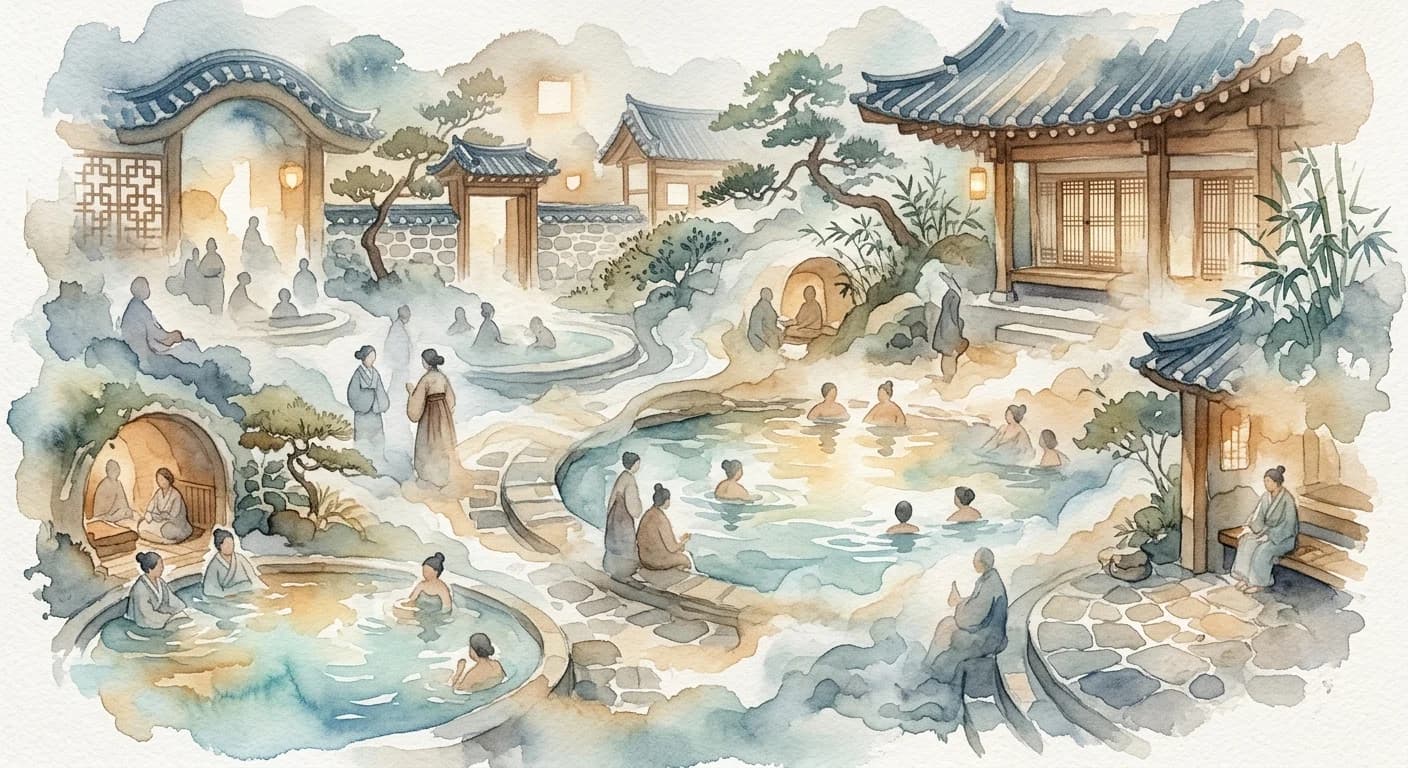
    Artistic representation of Jimjilbang
    Korean•
    🇰🇷South Korea

    Jimjilbang

    /JIM-jil-bahng/

    Meaning

    A 'jimjilbang' is far more than a mere bathhouse; it's a vibrant, multi-story sanctuary of communal well-being deeply woven into the fabric of Korean life. Here, the clamor of the city fades as individuals and families immerse themselves in a labyrinth of themed saunas, mineral-rich hot tubs, and ice rooms, experiencing a profound sense of physical renewal. Beyond bathing, it serves as an affordable social hub, a place to relax, eat, sleep, and forge connections, embodying a unique blend of ancient healing traditions and modern leisure.

    Literal Translation

    Heating room

    The Story Behind the Word

    The 'jimjilbang' tradition evolved from ancient Korean jjimjil (sauna) customs, particularly the use of heated ondol (underfloor heating) rooms for therapeutic purposes. Its modern form gained prominence in the late 20th century, offering an accessible escape from the pressures of rapid urbanization and demanding work schedules. It reflects a profound cultural emphasis on communal living, shared experiences, and the holistic concept of 'pyeonghwaropda' (peaceful and harmonious well-being). The jimjilbang provides a democratic space where social hierarchies momentarily dissolve, fostering a sense of collective belonging and physical purification that is deeply valued in Korean society.

    Experience It

    Family Weekend Retreat

    After a busy week, Mrs. Kim gathers her children for their Saturday ritual. They spend hours at the local jimjilbang, the kids giggling between the ice room and the salt sauna, while she enjoys a quiet soak, later sharing bowls of sikhye (sweet rice drink) and eggs, feeling refreshed and reconnected.

    Overnight Comfort

    Mr. Lee, missing his last train, decides to spend the night at a jimjilbang near the station. He showers, enjoys a relaxing session in the jade room, and then finds a quiet spot in the sleeping area, waking up feeling surprisingly rested and ready for his morning commute, all for a minimal fee.

    The Deeper Meaning

    The 'jimjilbang' embodies a distinctly Korean philosophy of communal care and accessible wellness. It suggests that true well-being isn't a solitary pursuit but a shared experience, where physical rejuvenation is intertwined with social connection and psychological respite. It underscores the belief that even in a fast-paced society, spaces for collective healing and democratic leisure are essential for a balanced life.

    Did You Know?

    Many jimjilbangs operate 24/7, making them popular, affordable options for travelers or those who miss the last train, offering a safe and warm place to sleep.

    How It's Used

    Used to refer to the specific type of Korean bathhouse and spa facility.

    Emotions
    belonging,comfort,peace,serenity
    Contexts
    family,relaxation,social interaction,travel
    🇰🇷South Korea

    by Anya Petrova·Written Mar 14, 2026·Updated Apr 3, 2026

    Related Words

    Explore more
    Dolce far nienteItalian

    Dolce far niente captures the profound joy and effortless pleasure derived from simply existing without obligation or purpose. It's the art of savoring moments of pure, unadulterated idleness – lying in the sun, watching the clouds drift, or enjoying a leisurely coffee – not as a break from work, but as a valuable state in itself. This 'sweetness of doing nothing' is a conscious embrace of stillness and contentment, allowing the soul to breathe and the senses to fully engage with the present.

    SobremesaSpanish

    Sobremesa is the cherished, often extended period immediately following a meal, particularly lunch or dinner, where diners remain seated at the table to enjoy conversation, coffee, and digest not just the food, but the company itself. It’s a dedicated time for unhurried social bonding, storytelling, and shared laughter, transforming a simple meal into a profound communal experience. Far from just clearing the dishes, sobremesa is an integral part of Spanish social life, often lasting for hours.

    Wabi-sabiJapanese

    Wabi-sabi is the profound appreciation for the ephemeral, the imperfect, and the incomplete aspects of existence. It is about discovering beauty in the subtle textures of age, the unique character of flaws, and the gentle decay that marks the passage of time. This philosophy encourages a quiet acceptance of impermanence and a mindful connection to the natural world, finding elegance in simplicity and authenticity.

    IkigaiJapanese

    Ikigai is more than just a reason to get out of bed; it's a deeply personal and evolving sense of purpose that brings genuine fulfillment and joy to one's life. It represents the sweet spot where your passions, talents, needs of the world, and what you can be paid for beautifully converge. Discovering your ikigai often leads to a life lived with intentionality, resilience, and a profound connection to one's contributions. It's the intrinsic motivation that fuels a meaningful existence, regardless of external circumstances.