U.
HomeRegionsLanguagesEmotionsCollections
Find Your Word

“The limits of my language mean the limits of my world.”

— Ludwig Wittgenstein, Philosopher

Untranslatable

A curated collection of the world's most beautiful expressions—words that remind us language is humanity's greatest invention.

  • Home
  • Collections
  • Regions
  • Countries
  • Emotions
  • Tags
  • Contexts
  • Finder
  • Europe
  • Asia
  • Americas
  • Africa
  • Middle East
  • About
  • Contact
  • Privacy Policy
  • Terms of Service

2026 © Untranslatable. All rights reserved.

    /
    /
    1. Home
    2. /
    3. Asia
    4. /
    5. Kaiseki
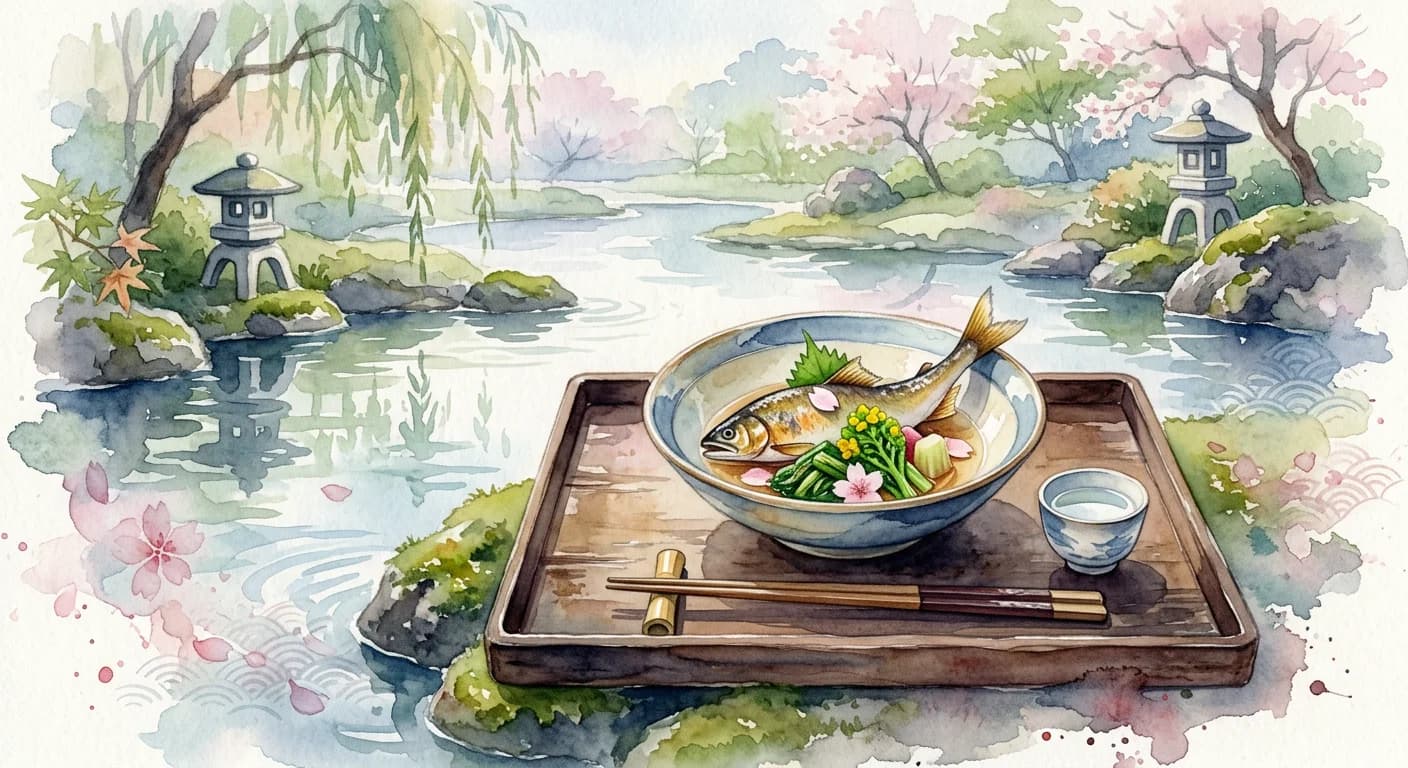
    Artistic representation of Kaiseki
    Japanese•
    🇯🇵Japan

    Kaiseki

    /KAI-seh-kee/

    Meaning

    Kaiseki transcends mere dining; it is a meticulously choreographed culinary art form, deeply rooted in Japanese aesthetics and seasonality. Each course, often twelve or more small, exquisite dishes, is a fleeting masterpiece, designed to awaken all five senses through its delicate flavors, vibrant colors, harmonious textures, and artful presentation. It embodies a philosophy of appreciating the ephemeral beauty of nature and the profound skill of the chef, creating an immersive experience that nourishes both body and soul.

    Literal Translation

    breast-pocket stone (referring to the practice of warming stones and placing them in the breast pocket to stave off hunger)

    The Story Behind the Word

    The origins of kaiseki are intertwined with the Zen Buddhist tea ceremony (chanoyu) in 16th-century Japan. Early kaiseki, known as *kaiseki ryori*, was a simple meal served before the bitter tea to temper hunger, reflecting Zen principles of restraint and appreciation for simple beauty. Over centuries, it evolved from humble fare to an elaborate, multi-course banquet, particularly flourishing during the Edo period. It reflects a profound Japanese reverence for nature, seasonality, and an aesthetic appreciation for balance, harmony, and subtle beauty (wabi-sabi). The meticulous attention to detail, from ingredient sourcing to dishware selection, reveals a culture that values craftsmanship, intentionality, and the elevation of everyday experiences into art.

    Experience It

    Special Anniversary Dinner

    For their tenth anniversary, Kenji booked a reservation at a renowned Kyoto ryotei. Each of the twelve kaiseki courses, from the delicate sashimi to the perfectly grilled fish, was a revelation, beautifully plated and meticulously explained by their server. It wasn't just a meal; it was a journey through the season's finest ingredients, a truly unforgettable celebration.

    Chef's Culinary Artistry

    Chef Tanaka spent hours foraging for mountain vegetables and selecting the freshest seafood for his evening kaiseki. As he plated the final dish, a vibrant assortment of autumn leaves and edible flowers adorning a succulent piece of wagyu, he felt the satisfaction of transforming nature's bounty into an ephemeral work of culinary art for his guests.

    The Deeper Meaning

    Kaiseki embodies the Japanese aesthetic principle of *wabi-sabi*, finding beauty in imperfection, transience, and simplicity. It encourages mindfulness and a deep appreciation for the present moment, reflecting the fleeting nature of life and the seasons. The emphasis on natural ingredients and their inherent flavors also speaks to a philosophy of living in harmony with nature and respecting its bounty.

    Did You Know?

    The literal meaning of 'kaiseki' – 'breast-pocket stone' – refers to the Zen Buddhist practice of placing warm stones in one's robe to stave off hunger during long meditations, highlighting its humble, spiritual beginnings.

    How It's Used

    Used to describe a traditional Japanese multi-course dinner, often served in high-end restaurants or ryokans (traditional inns).

    Emotions
    gratitude,peace,serenity,wonder
    Contexts
    celebration,dining,seasons
    🇯🇵Japan

    by Annelise Dubois·Written Mar 14, 2026·Updated Apr 3, 2026

    Related Words

    Explore more
    Dolce far nienteItalian

    Dolce far niente captures the profound joy and effortless pleasure derived from simply existing without obligation or purpose. It's the art of savoring moments of pure, unadulterated idleness – lying in the sun, watching the clouds drift, or enjoying a leisurely coffee – not as a break from work, but as a valuable state in itself. This 'sweetness of doing nothing' is a conscious embrace of stillness and contentment, allowing the soul to breathe and the senses to fully engage with the present.

    Wabi-sabiJapanese

    Wabi-sabi is the profound appreciation for the ephemeral, the imperfect, and the incomplete aspects of existence. It is about discovering beauty in the subtle textures of age, the unique character of flaws, and the gentle decay that marks the passage of time. This philosophy encourages a quiet acceptance of impermanence and a mindful connection to the natural world, finding elegance in simplicity and authenticity.

    IkigaiJapanese

    Ikigai is more than just a reason to get out of bed; it's a deeply personal and evolving sense of purpose that brings genuine fulfillment and joy to one's life. It represents the sweet spot where your passions, talents, needs of the world, and what you can be paid for beautifully converge. Discovering your ikigai often leads to a life lived with intentionality, resilience, and a profound connection to one's contributions. It's the intrinsic motivation that fuels a meaningful existence, regardless of external circumstances.

    NunchiKorean

    Nunchi is the sophisticated, almost telepathic, ability to instantly grasp the unspoken dynamics of any social situation, anticipating others' thoughts and feelings, and then responding with impeccable grace and timing. It's an acute form of social intuition, allowing one to navigate complex interpersonal landscapes by reading subtle cues like body language, tone, and context. Possessing good nunchi means effortlessly understanding the underlying emotional currents and adjusting one's behavior to maintain harmony and effectiveness, often without a single word exchanged.