U.
HomeRegionsLanguagesEmotionsCollections
Find Your Word

“The limits of my language mean the limits of my world.”

— Ludwig Wittgenstein, Philosopher

Untranslatable

A curated collection of the world's most beautiful expressions—words that remind us language is humanity's greatest invention.

  • Home
  • Collections
  • Regions
  • Countries
  • Emotions
  • Tags
  • Contexts
  • Finder
  • Europe
  • Asia
  • Americas
  • Africa
  • Middle East
  • About
  • Contact
  • Privacy Policy
  • Terms of Service

2026 © Untranslatable. All rights reserved.

    /
    /
    1. Home
    2. /
    3. Middle East
    4. /
    5. Khanqah
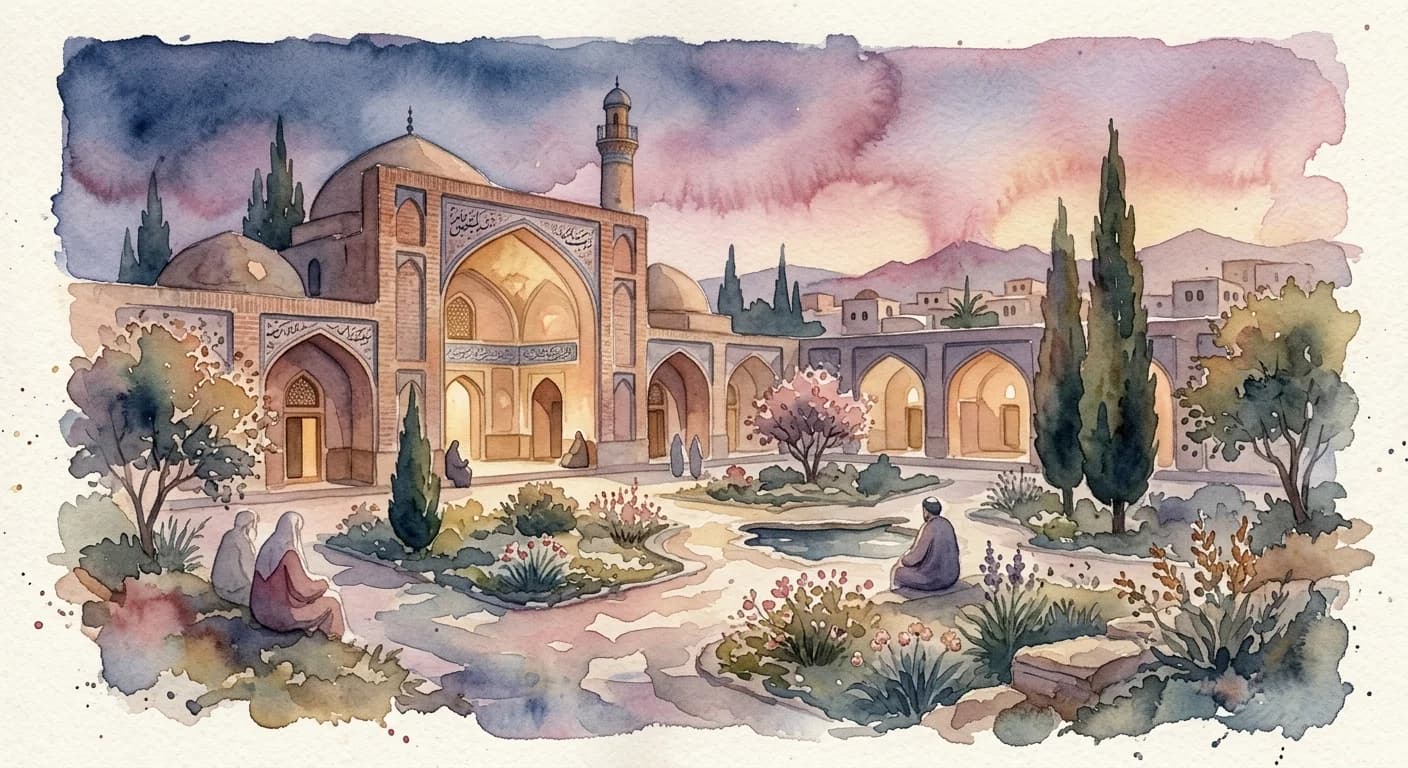
    Artistic representation of Khanqah
    Persian•
    🇦🇫Afghanistan🇮🇳India🇮🇷Iran🇵🇰Pakistan

    Khanqah

    /KAHN-gah/

    Meaning

    A Khanqah transcends a mere physical structure; it is a vibrant spiritual and social sanctuary for Sufi mystics and wayfarers. It embodies a profound ethos of refuge, scholarly pursuit, and communal existence, often encompassing a mosque, living quarters, and dedicated spaces for religious rituals and deep meditation. This concept fosters an unparalleled atmosphere of shared spiritual purpose, intellectual exchange, and tranquil contemplation, serving as a vital cornerstone of Sufi culture that offers solace and enlightened guidance to those navigating a spiritual journey.

    Literal Translation

    Lodge, inn, monastery (from Arabic)

    The Story Behind the Word

    The Khanqah emerged as a central institution in the development and spread of Sufism across the Islamic world, particularly in Persia. It reflects a worldview where spiritual development is deeply intertwined with community, hospitality, and service. Early Sufis, often ascetics and wandering scholars, required places for retreat, teaching, and lodging, leading to the establishment of these lodges. They became centers not only for mystical practice but also for education, social welfare, and even political influence, representing a distinct form of organized spirituality. The Khanqah reveals a culture that values hospitality as a religious duty, intellectual discourse as a path to truth, and communal living as a means to achieve spiritual proximity to God, emphasizing an inner journey that is often supported by external structures and guidance.

    Experience It

    Pilgrim's Welcome

    After weeks of arduous travel, the weary pilgrim found respite at the ancient Khanqah. The dervishes welcomed him with warm tea and a humble meal, offering a place to sleep and quiet companionship, fulfilling the tradition of hospitality to all seekers of truth.

    Spiritual Gathering

    Within the hallowed walls of the Khanqah, disciples gathered around the Shaykh for the evening dhikr. The air thrummed with rhythmic chants and deep breaths, a collective journey towards spiritual illumination, guided by centuries of mystical tradition.

    The Deeper Meaning

    The Khanqah embodies the Sufi philosophical principle that spiritual growth is not a solitary endeavor but flourishes within a supportive community (jama'at) and under the guidance of a spiritual master (Shaykh). It reveals a worldview where the physical space becomes a crucible for inner transformation, fostering detachment from worldly concerns and cultivating profound devotion through shared practice, intellectual inquiry, and selfless service to others.

    Did You Know?

    Many Khanqahs were endowed by wealthy patrons or rulers, who saw supporting these spiritual centers as a way to gain religious merit and exert cultural influence, blending piety with patronage.

    How It's Used

    Used to refer to a specific type of Sufi lodge or monastery, particularly in historical and cultural contexts related to Sufism.

    Emotions
    belonging,gratitude,peace,serenity
    Contexts
    relaxation,solitude,travel,work
    🇦🇫Afghanistan🇮🇳India🇮🇷Iran🇵🇰Pakistan

    by Sofia Rossi·Written Mar 14, 2026·Updated Apr 3, 2026

    Related Words

    Explore more
    Dolce far nienteItalian

    Dolce far niente captures the profound joy and effortless pleasure derived from simply existing without obligation or purpose. It's the art of savoring moments of pure, unadulterated idleness – lying in the sun, watching the clouds drift, or enjoying a leisurely coffee – not as a break from work, but as a valuable state in itself. This 'sweetness of doing nothing' is a conscious embrace of stillness and contentment, allowing the soul to breathe and the senses to fully engage with the present.

    SobremesaSpanish

    Sobremesa is the cherished, often extended period immediately following a meal, particularly lunch or dinner, where diners remain seated at the table to enjoy conversation, coffee, and digest not just the food, but the company itself. It’s a dedicated time for unhurried social bonding, storytelling, and shared laughter, transforming a simple meal into a profound communal experience. Far from just clearing the dishes, sobremesa is an integral part of Spanish social life, often lasting for hours.

    Pura vidaSpanish

    More than just 'pure life,' "Pura vida" encapsulates a profound philosophy of embracing the present moment with unwavering optimism and gratitude. It's a daily commitment to finding joy in simple pleasures, accepting life's challenges with a positive spirit, and prioritizing well-being over material possessions. This ubiquitous phrase reflects a national identity built on resilience, community, and an deep appreciation for nature's bounty.

    UbuntuZulu/Xhosa

    Ubuntu is a profound African philosophy that translates to 'I am because we are,' signifying that an individual's humanity is inextricably linked to the humanity of others. It embodies the belief that our existence and well-being are deeply intertwined with the community. This concept emphasizes compassion, reciprocity, dignity, and the understanding that true fulfillment is found not in isolation, but through collective flourishing and mutual support. It's a call to recognize and affirm the humanity in everyone, fostering a sense of interconnectedness.