U.
HomeRegionsLanguagesEmotionsCollections
Find Your Word

“The limits of my language mean the limits of my world.”

— Ludwig Wittgenstein, Philosopher

Untranslatable

A curated collection of the world's most beautiful expressions—words that remind us language is humanity's greatest invention.

  • Home
  • Collections
  • Regions
  • Countries
  • Emotions
  • Tags
  • Contexts
  • Finder
  • Europe
  • Asia
  • Americas
  • Africa
  • Middle East
  • About
  • Contact
  • Privacy Policy
  • Terms of Service

2026 © Untranslatable. All rights reserved.

    /
    /
    1. Home
    2. /
    3. Asia
    4. /
    5. Kotodama
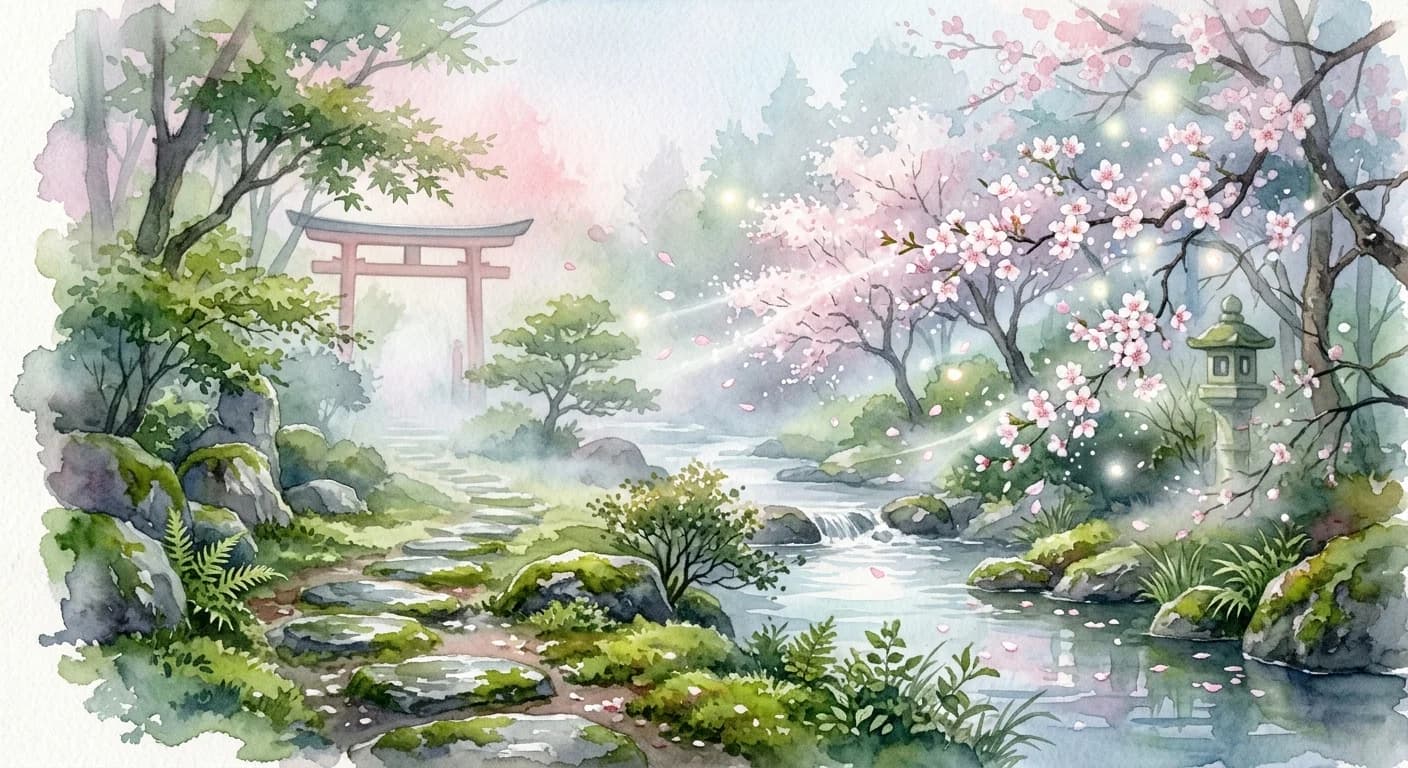
    Artistic representation of Kotodama
    Japanese•
    🇯🇵Japan

    Kotodama

    /koh-toh-dah-mah/

    Meaning

    Kotodama embodies the profound Japanese conviction that words are not mere symbols but living entities imbued with spiritual power. It posits that the very utterance of a sound, the formation of a phrase, or the naming of a thing can actively shape reality, influence fortune, and even manifest destiny. This belief transcends simple communication, elevating language to a sacred force capable of binding or releasing, healing or harming, making certain expressions potent incantations and others dangerous taboos.

    Literal Translation

    spirit of words

    The Story Behind the Word

    The concept of Kotodama is deeply interwoven with Shinto, Japan's indigenous religion, which perceives a spiritual essence (kami) in all natural phenomena, including language itself. Its origins can be traced back to ancient myths, where divine beings used words to create the world, suggesting that human speech retains a fraction of that primordial creative power. This belief fostered a profound respect and even reverence for language, influencing everything from the careful crafting of poetry (waka) to the solemn rituals of naming. It reveals a worldview where the spoken word is a direct conduit to the spiritual realm, emphasizing responsibility and precision in communication, as carelessly uttered words could invite misfortune or anger the kami.

    Experience It

    A Poet's Incantation

    An ancient Japanese poet meticulously chooses each syllable for a new tanka, believing that the precise arrangement of sounds, imbued with his spirit, will not only express beauty but also invoke a bountiful harvest for his village. He recites it at the local shrine, trusting in the Kotodama to manifest his heartfelt wish.

    Naming a Child

    A young couple consults a Shinto priest to choose a name for their newborn, not just for aesthetics but for its inherent sound and meaning. They believe that the chosen name, once spoken, will become an integral part of the child's destiny, influencing their character and fortune throughout life, thanks to Kotodama.

    The Deeper Meaning

    Kotodama reveals a worldview where the distinction between physical and spiritual is fluid, and where human intention, channeled through language, possesses tangible power. It underscores the idea that reality is not merely observed but actively co-created through our words, fostering a deep sense of responsibility for what is spoken. This philosophy elevates language from a tool to a sacred medium, bridging the human and divine.

    Did You Know?

    During World War II, some Japanese nationalists invoked Kotodama, believing that the 'sacred' Japanese language itself made their nation invincible.

    How It's Used

    Used to describe the belief in the spiritual power of words and their ability to affect reality, often invoked in discussions of Shinto, traditional Japanese beliefs, poetry, or the power of names.

    Emotions
    peace,wonder
    Contexts
    conversation,religion,storytelling
    🇯🇵Japan

    by Dr. Kenji Tanaka·Written Mar 14, 2026·Updated Apr 3, 2026

    Related Words

    Explore more
    Dolce far nienteItalian

    Dolce far niente captures the profound joy and effortless pleasure derived from simply existing without obligation or purpose. It's the art of savoring moments of pure, unadulterated idleness – lying in the sun, watching the clouds drift, or enjoying a leisurely coffee – not as a break from work, but as a valuable state in itself. This 'sweetness of doing nothing' is a conscious embrace of stillness and contentment, allowing the soul to breathe and the senses to fully engage with the present.

    Wabi-sabiJapanese

    Wabi-sabi is the profound appreciation for the ephemeral, the imperfect, and the incomplete aspects of existence. It is about discovering beauty in the subtle textures of age, the unique character of flaws, and the gentle decay that marks the passage of time. This philosophy encourages a quiet acceptance of impermanence and a mindful connection to the natural world, finding elegance in simplicity and authenticity.

    IkigaiJapanese

    Ikigai is more than just a reason to get out of bed; it's a deeply personal and evolving sense of purpose that brings genuine fulfillment and joy to one's life. It represents the sweet spot where your passions, talents, needs of the world, and what you can be paid for beautifully converge. Discovering your ikigai often leads to a life lived with intentionality, resilience, and a profound connection to one's contributions. It's the intrinsic motivation that fuels a meaningful existence, regardless of external circumstances.

    NunchiKorean

    Nunchi is the sophisticated, almost telepathic, ability to instantly grasp the unspoken dynamics of any social situation, anticipating others' thoughts and feelings, and then responding with impeccable grace and timing. It's an acute form of social intuition, allowing one to navigate complex interpersonal landscapes by reading subtle cues like body language, tone, and context. Possessing good nunchi means effortlessly understanding the underlying emotional currents and adjusting one's behavior to maintain harmony and effectiveness, often without a single word exchanged.