U.
HomeRegionsLanguagesEmotionsCollections
Find Your Word

“The limits of my language mean the limits of my world.”

— Ludwig Wittgenstein, Philosopher

Untranslatable

A curated collection of the world's most beautiful expressions—words that remind us language is humanity's greatest invention.

  • Home
  • Collections
  • Regions
  • Countries
  • Emotions
  • Tags
  • Contexts
  • Finder
  • Europe
  • Asia
  • Americas
  • Africa
  • Middle East
  • About
  • Contact
  • Privacy Policy
  • Terms of Service

2026 © Untranslatable. All rights reserved.

    /
    /
    1. Home
    2. /
    3. Asia
    4. /
    5. Rinpoche
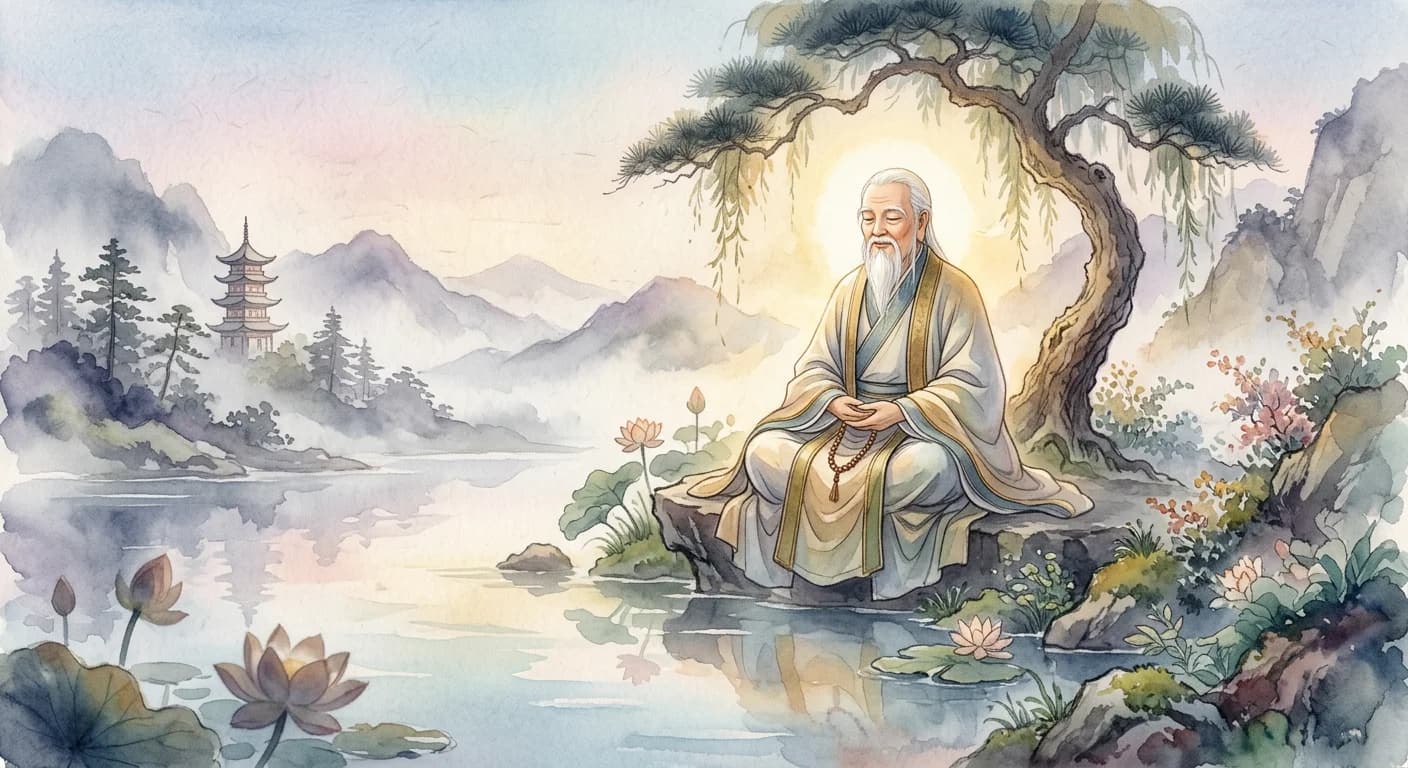
    Artistic representation of Rinpoche
    Tibetan•
    🇧🇹Bhutan🇨🇳China🇮🇳India🇳🇵Nepal

    Rinpoche

    /RIN-po-cheh/

    Meaning

    Rinpoche is a profound Tibetan honorific, translating as 'precious one' or 'jewel,' bestowed upon individuals recognized as highly accomplished spiritual masters, incarnate lamas, and reincarnate beings within the vibrant tapestry of Tibetan Buddhism. Far more than a mere title, it signifies an extraordinary depth of wisdom, boundless compassion, and unparalleled spiritual attainment, acknowledging an individual's unbroken connection to the Dharma and their sacred role as a guiding light for all sentient beings. To address someone as Rinpoche is to express the deepest reverence for their enlightened qualities and their unwavering dedication to the liberation of others, embodying the very essence of spiritual veneration.

    Literal Translation

    Precious one

    The Story Behind the Word

    The existence of 'Rinpoche' is deeply rooted in the Tibetan Buddhist understanding of reincarnation and the lineage of enlightened teachers. It reflects a worldview where spiritual wisdom is not merely accumulated knowledge but an inherent quality that can be reborn, guiding humanity across lifetimes. The term highlights the profound respect Tibetans hold for spiritual authority and the belief that certain individuals possess an extraordinary capacity for compassion and insight, often having dedicated countless past lives to spiritual practice. This cultural emphasis on lineage and the continuity of wisdom through reincarnation is central to the preservation and transmission of the Dharma, shaping their societal structure and spiritual aspirations. It reveals a culture that values spiritual development and altruism above almost all else, seeing these 'precious ones' as living embodiments of the path to enlightenment.

    Experience It

    Seeking Counsel

    A young monk, troubled by a complex philosophical question, approaches his teacher. He bows deeply and begins, 'Rinpoche, I have been contemplating the nature of emptiness, and I find myself at a crossroads in my understanding.'

    A Sacred Blessing

    During a public teaching, an elderly woman reaches the front of the queue, holding a small child. With tearful gratitude, she reverently presents the child for a blessing, softly whispering, 'Rinpoche, please bless my grandchild.'

    The Deeper Meaning

    The concept of 'Rinpoche' underscores the Mahayana Buddhist ideal of the Bodhisattva, an enlightened being who postpones their own nirvana to help all sentient beings achieve liberation. It reflects a profound belief in the continuity of consciousness across lifetimes and the possibility of extraordinary spiritual development. The reverence shown to Rinpoches illustrates a society that values compassion, wisdom, and selfless service as the highest human aspirations, viewing these qualities as tangible, even embodied, forces for good in the world.

    Did You Know?

    While often associated with high lamas, the title 'Rinpoche' can also be given to abbots of important monasteries, even if they are not considered reincarnate lamas, recognizing their profound spiritual authority and wisdom.

    How It's Used

    Used as a title of respect for Buddhist lamas and spiritual teachers in Tibetan Buddhism.

    Emotions
    gratitude,serenity,wonder
    Contexts
    education,religion,spirituality
    🇧🇹Bhutan🇨🇳China🇮🇳India🇳🇵Nepal

    by Dr. Kenji Tanaka·Written Mar 14, 2026·Updated Apr 3, 2026

    Related Words

    Explore more
    Wabi-sabiJapanese

    Wabi-sabi is the profound appreciation for the ephemeral, the imperfect, and the incomplete aspects of existence. It is about discovering beauty in the subtle textures of age, the unique character of flaws, and the gentle decay that marks the passage of time. This philosophy encourages a quiet acceptance of impermanence and a mindful connection to the natural world, finding elegance in simplicity and authenticity.

    IkigaiJapanese

    Ikigai is more than just a reason to get out of bed; it's a deeply personal and evolving sense of purpose that brings genuine fulfillment and joy to one's life. It represents the sweet spot where your passions, talents, needs of the world, and what you can be paid for beautifully converge. Discovering your ikigai often leads to a life lived with intentionality, resilience, and a profound connection to one's contributions. It's the intrinsic motivation that fuels a meaningful existence, regardless of external circumstances.

    NunchiKorean

    Nunchi is the sophisticated, almost telepathic, ability to instantly grasp the unspoken dynamics of any social situation, anticipating others' thoughts and feelings, and then responding with impeccable grace and timing. It's an acute form of social intuition, allowing one to navigate complex interpersonal landscapes by reading subtle cues like body language, tone, and context. Possessing good nunchi means effortlessly understanding the underlying emotional currents and adjusting one's behavior to maintain harmony and effectiveness, often without a single word exchanged.

    JugaadHindi

    Jugaad is more than just a quick fix; it embodies the spirit of resourceful, ingenious improvisation in the face of scarcity or systemic challenges. It's the art of bending rules, repurposing materials, and thinking outside the box to achieve a desired outcome, often with limited financial or technological resources. This approach celebrates clever workarounds and innovative adaptations, turning constraints into catalysts for creative problem-solving. It's about making do and making something work, brilliantly.