Rizla
/REEZ-lah/
Meaning
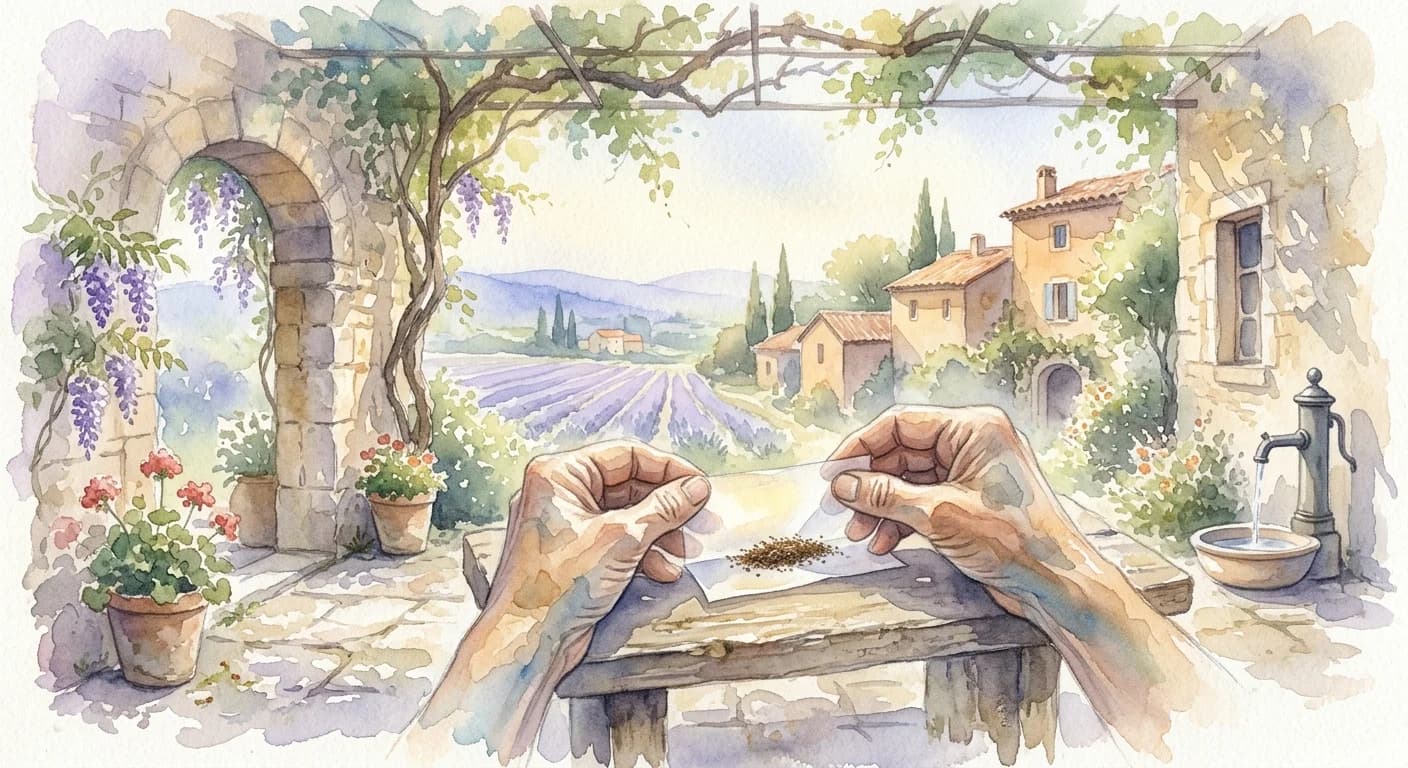
Rizla, though literally a brand name, has become synonymous in France with the delicate, almost translucent rolling papers used for crafting hand-rolled cigarettes. More than a mere utility, it signifies a deliberate, often contemplative ritual – a brief pause in the day to prepare and savor. It evokes a certain effortlessly chic, bohemian lifestyle, deeply embedded in French social fabric, where the act of rolling transcends simple consumption to become a quiet, personal art form or a shared, unhurried moment among friends.
Literal Translation
Rizla (brand name)
The Story Behind the Word
The name 'Rizla' itself is a portmanteau of the Rize family (the founders) and 'La Croix' (the original paper mill). Established in France in 1796, Rizla's ubiquity grew alongside the popularity of hand-rolled tobacco, particularly among artists, intellectuals, and working-class individuals seeking an economical yet personalized smoking experience. Its cultural significance lies in its association with a certain 'art de vivre' – a relaxed, unpretentious approach to life. The act of rolling a cigarette with Rizla papers became a small, almost meditative gesture, a respite from the day's demands. It speaks to a French sensibility that values craftsmanship, even in seemingly mundane activities, and a resistance to mass-produced uniformity. The shared experience of offering and accepting a hand-rolled cigarette, or the quiet focus of rolling one's own, fosters a sense of camaraderie and individual expression that has deeply permeated French popular culture, from café terraces to artistic circles.
Experience It
Café Terrace Ritual
Pierre sits at a Parisian café, sipping his espresso. He pulls out his tobacco pouch and a packet of Rizla, carefully rolling a cigarette with practiced ease. It's a familiar, unhurried ritual, a small moment of peace before returning to his busy day, the scent of fresh tobacco mingling with the aroma of coffee.
Shared Evening Moment
At a friend's apartment, after dinner, the conversation flows easily. Someone says, 'Qui a des Rizla?' and a packet is passed around. Each person takes a turn, rolling their own, the soft rustle of paper and the shared focus creating a comfortable, intimate atmosphere among friends.
The Deeper Meaning
Rizla, as a cultural touchstone, reflects a philosophy of intentionality and a subtle defiance of instant gratification. In a world of pre-packaged convenience, the act of hand-rolling with Rizla demands patience and skill, elevating a simple habit into a small, personal craft. It champions the value of the process over just the outcome, suggesting that even in fleeting moments of indulgence, there is meaning to be found in conscious engagement and individual expression.
Did You Know?
The 'Rizla+' brand was the first company to produce rolling papers made from rice, giving it a distinctive thinness and slow-burning quality that revolutionized the hand-rolling experience.
How It's Used
Used to refer to the brand of rolling papers, and by extension, the act of rolling and smoking a hand-rolled cigarette.