Uhuru
/oo-HOO-roo/
Meaning
Uhuru is a profound Swahili term embodying not merely political independence, but the vibrant spirit of total liberation. It signifies the triumphant breaking of chains, the joyful reclamation of self-determination after periods of oppression, and the collective aspiration for a sovereign, self-governing future. More than a historical event, it's an ongoing ethos of national pride, collective resilience, and the inherent right to freedom, deeply etched into the East African psyche.
Literal Translation
Freedom, independence
The Story Behind the Word
Uhuru exists as a foundational pillar in East African cultures, particularly in Kenya and Tanzania, because it encapsulates the very struggle and ultimate triumph over colonial subjugation. It emerged as a rallying cry during independence movements, symbolizing the collective yearning to cast off foreign rule and reclaim ancestral lands and identities. The word reflects a worldview where freedom is not just an abstract concept but a hard-won, cherished state of being that defines nationhood and individual dignity. It inherently links personal liberty with national sovereignty, revealing a collectivist understanding of freedom where the liberation of the nation is paramount for the liberation of its people. Its deep roots in anti-colonial movements make it an enduring symbol of resistance and self-determination.
Experience It
Independence Day Celebrations
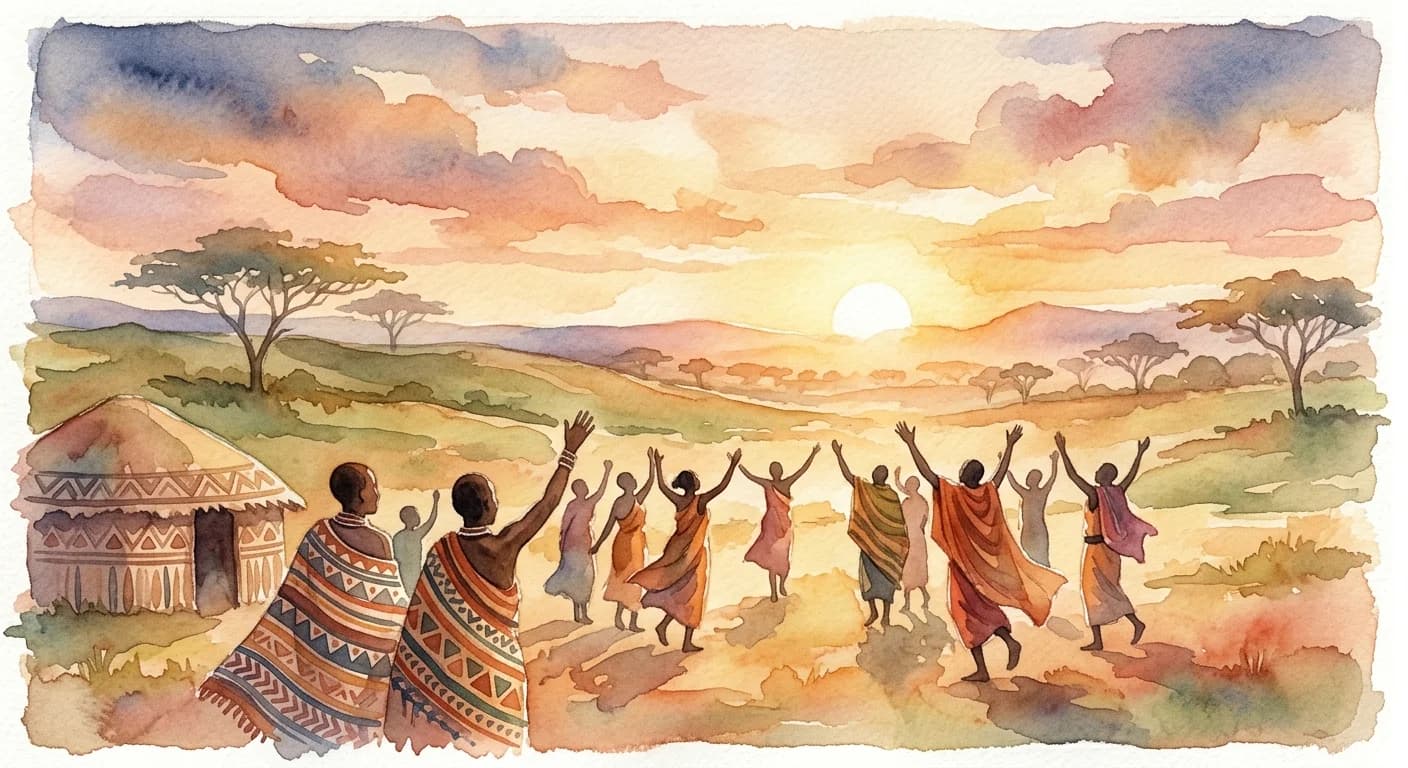
During Kenya's Jamhuri Day, families gather, flags wave, and speeches resound with the word 'Uhuru!' It's a day to remember the sacrifices made for the nation's freedom and to celebrate the ongoing journey of self-governance, echoing the cheers that erupted when the Union Jack was lowered for good.
A Child's Aspirations
A young Kenyan girl, excelling in school, tells her grandmother, 'I want to help our country achieve even greater Uhuru.' She envisions not just political freedom, but economic empowerment and social justice, understanding that true liberation extends beyond mere independence.
The Deeper Meaning
Uhuru encapsulates a philosophy where freedom is not a gift, but an inherent right vigorously fought for and meticulously protected. It underscores the belief that true selfhood, both individual and national, can only be realized in the absence of external domination. This word reveals a worldview that values communal struggle and collective destiny, where the strength of the nation is intrinsically linked to the liberty and dignity of its every citizen, fostering a deep sense of national identity rooted in shared liberation.
Did You Know?
Kenya's first President, Jomo Kenyatta, was famously known as 'Mzee Jomo Kenyatta' or 'Baba wa Taifa' (Father of the Nation), and his rallying cry 'Uhuru na Kazi' (Freedom and Work) became a national motto, emphasizing that independence brought with it the responsibility of nation-building.
How It's Used
Uhuru is used to refer to political independence, freedom from colonial rule, or the general state of being free. It is often invoked during national celebrations, political speeches, and discussions about national identity and sovereignty.