U.
HomeRegionsLanguagesEmotionsCollections
Find Your Word

“The limits of my language mean the limits of my world.”

— Ludwig Wittgenstein, Philosopher

Untranslatable

A curated collection of the world's most beautiful expressions—words that remind us language is humanity's greatest invention.

  • Home
  • Collections
  • Regions
  • Countries
  • Emotions
  • Tags
  • Contexts
  • Finder
  • Europe
  • Asia
  • Americas
  • Africa
  • Middle East
  • About
  • Contact
  • Privacy Policy
  • Terms of Service

2026 © Untranslatable. All rights reserved.

    /
    /
    1. Home
    2. /
    3. Africa
    4. /
    5. Adabu
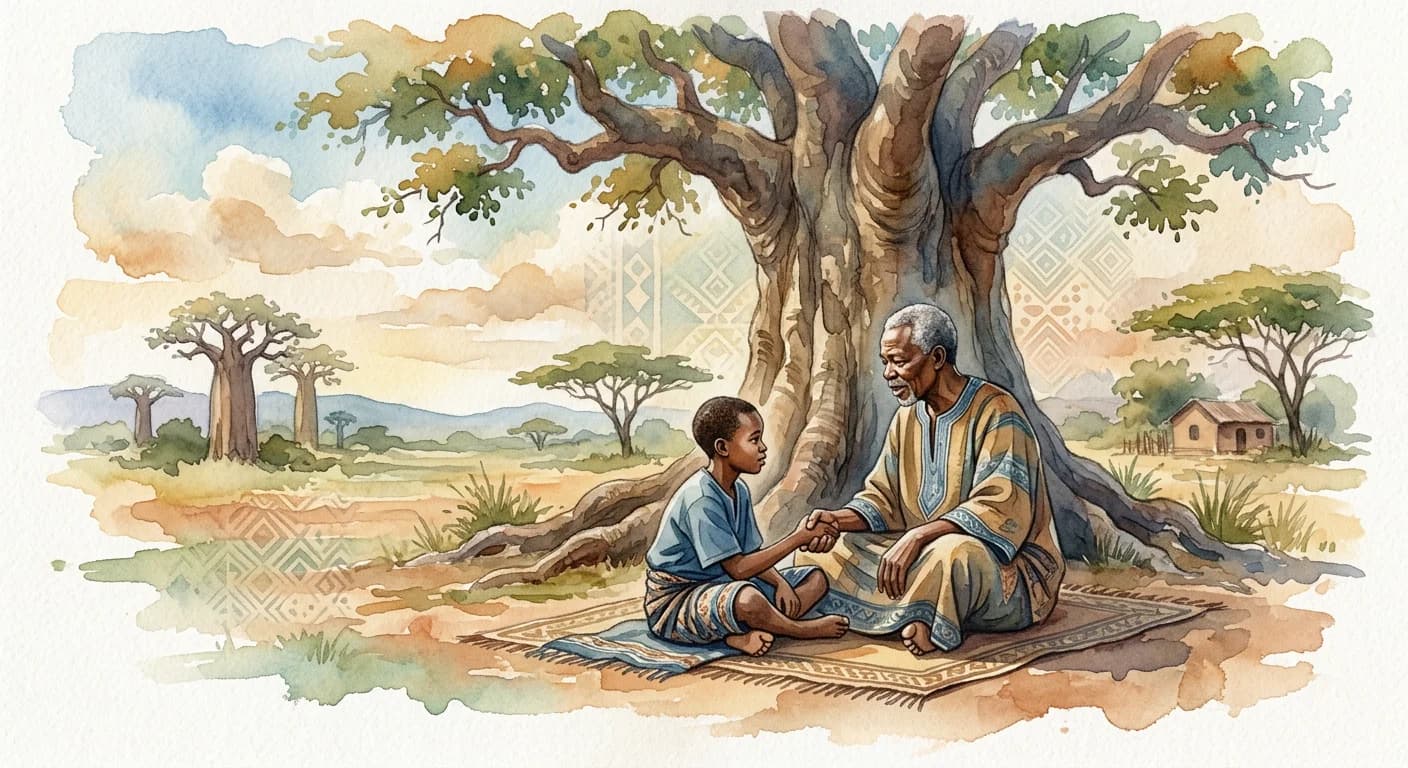
    Artistic representation of Adabu
    Swahili•
    🇧🇮Burundi🇰🇲Comoros🇨🇩Democratic Republic of the Congo🇰🇪Kenya🇲🇼Malawi🇲🇿Mozambique🇷🇼Rwanda🇸🇴Somalia🇹🇿Tanzania🇺🇬Uganda🇿🇲Zambia

    Adabu

    /ah-DAH-boo/

    Meaning

    Adabu embodies a profound sense of refined conduct, extending far beyond mere politeness to encompass deep respect for elders, the cultivation of social harmony, and an inherent dignified bearing. It signifies carrying oneself with grace, humility, and mindful consideration for all, reflecting a finely tuned moral compass and a cultivated inner character. This concept is foundational to social interactions in Swahili-speaking communities, profoundly shaping perceptions of individuals and guiding their relationships with an emphasis on respectful coexistence and integrity. It is the bedrock of honorable living and communal well-being.

    Literal Translation

    Manners/Etiquette

    The Story Behind the Word

    The concept of Adabu is deeply rooted in Swahili Islamic traditions and pre-colonial communal values, where social cohesion and respect for hierarchy were paramount. Islamic teachings emphasize humility, modesty, and kindness, which seamlessly integrated with existing African communal ethics that valued elders, hospitality, and maintaining peace within the group. Adabu is not just about outward behavior, but also an internal state of being – a disciplined mind and a pure heart. It reflects a worldview where individual actions directly impact the collective well-being, and a person's character is judged by their ability to foster harmony rather than discord. This word exists because the society places immense value on ordered, respectful interactions as the cornerstone of stable and thriving communities, making it an essential quality for any respected member.

    Experience It

    Child's Respectful Greeting

    A young child, upon seeing an elderly neighbor, immediately stops playing, approaches them, and offers a respectful greeting, bowing slightly and using appropriate honorifics. This display of 'adabu' warms the neighbor's heart and earns praise from accompanying adults, reinforcing the child's good upbringing.

    Mediating a Dispute

    During a heated community meeting, one elder listens patiently to all sides, speaks calmly without interruption, and suggests a compromise that honors everyone's dignity. Their measured words and respectful demeanor are seen as a powerful demonstration of 'adabu', helping to de-escalate tension and guide the group towards a peaceful resolution.

    The Deeper Meaning

    Adabu reveals a deeply communal and relational philosophy where individual identity is inextricably linked to one's role within the collective. It posits that true character is not just about personal achievement but about how one contributes to the harmony and respect of the wider community. It underscores the belief that a well-ordered society is built upon the foundation of each individual's mindful and honorable conduct, reflecting a holistic view of ethics where inner virtue manifests as outward grace.

    Did You Know?

    The word 'Adabu' shares a linguistic root with Arabic 'Adab' (أدب), highlighting the historical and cultural influences that shaped Swahili societal norms around etiquette and moral conduct.

    How It's Used

    Adabu is used to describe someone's good behavior, respectful demeanor, and overall sense of propriety in social interactions. It's often invoked when praising a child's manners or when discussing the importance of upholding cultural values in communities.

    Emotions
    belonging,peace,warmth
    Contexts
    dining,family,greeting,social interaction
    🇧🇮Burundi🇰🇲Comoros🇨🇩Democratic Republic of the Congo🇰🇪Kenya🇲🇼Malawi🇲🇿Mozambique🇷🇼Rwanda🇸🇴Somalia🇹🇿Tanzania🇺🇬Uganda🇿🇲Zambia

    by Kwame Nkrumah·Written Mar 14, 2026·Updated Apr 3, 2026

    Related Words

    Explore more
    GezelligDutch

    Gezellig encapsulates a profound sense of warmth, belonging, and convivial comfort, extending beyond mere coziness to embrace the social and emotional atmosphere. It's the feeling of being truly at ease, surrounded by good company, laughter, and a shared sense of contentment. This untranslatable term describes not just a physical space, but a holistic experience where time seems to slow down, fostering genuine connection and a deep sense of well-being.

    Dolce far nienteItalian

    Dolce far niente captures the profound joy and effortless pleasure derived from simply existing without obligation or purpose. It's the art of savoring moments of pure, unadulterated idleness – lying in the sun, watching the clouds drift, or enjoying a leisurely coffee – not as a break from work, but as a valuable state in itself. This 'sweetness of doing nothing' is a conscious embrace of stillness and contentment, allowing the soul to breathe and the senses to fully engage with the present.

    SobremesaSpanish

    Sobremesa is the cherished, often extended period immediately following a meal, particularly lunch or dinner, where diners remain seated at the table to enjoy conversation, coffee, and digest not just the food, but the company itself. It’s a dedicated time for unhurried social bonding, storytelling, and shared laughter, transforming a simple meal into a profound communal experience. Far from just clearing the dishes, sobremesa is an integral part of Spanish social life, often lasting for hours.

    UbuntuZulu/Xhosa

    Ubuntu is a profound African philosophy that translates to 'I am because we are,' signifying that an individual's humanity is inextricably linked to the humanity of others. It embodies the belief that our existence and well-being are deeply intertwined with the community. This concept emphasizes compassion, reciprocity, dignity, and the understanding that true fulfillment is found not in isolation, but through collective flourishing and mutual support. It's a call to recognize and affirm the humanity in everyone, fostering a sense of interconnectedness.