U.
HomeRegionsLanguagesEmotionsCollections
Find Your Word

“The limits of my language mean the limits of my world.”

— Ludwig Wittgenstein, Philosopher

Untranslatable

A curated collection of the world's most beautiful expressions—words that remind us language is humanity's greatest invention.

  • Home
  • Collections
  • Regions
  • Countries
  • Emotions
  • Tags
  • Contexts
  • Finder
  • Europe
  • Asia
  • Americas
  • Africa
  • Middle East
  • About
  • Contact
  • Privacy Policy
  • Terms of Service

2026 © Untranslatable. All rights reserved.

    /
    /
    1. Home
    2. /
    3. Middle East
    4. /
    5. Agunah
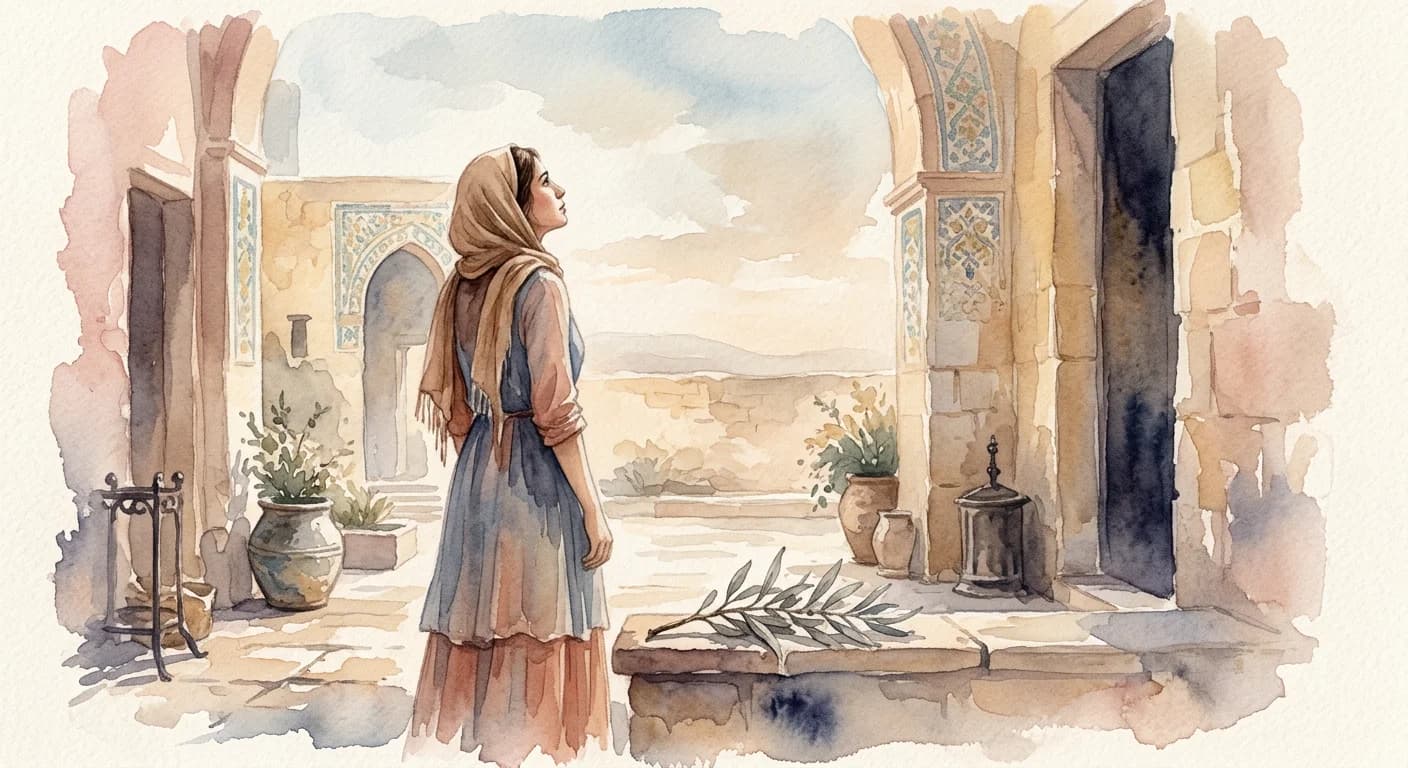
    Artistic representation of Agunah
    Hebrew•
    🇮🇱Israel

    Agunah

    /ah-goo-NAH/

    Meaning

    An Agunah is a Jewish woman trapped in an agonizing marital limbo, unable to remarry under religious law because her husband has vanished, is missing, or refuses to grant a divorce (a 'get'). She is a 'chained woman,' legally bound yet utterly alone, denied the possibility of a new life, children, or even emotional closure. This status inflicts profound distress, social isolation, and a unique form of legal entanglement, highlighting a sorrow born from an unresolved marital status that finds no direct parallel in secular systems.

    Literal Translation

    chained woman

    The Story Behind the Word

    The concept of Agunah is deeply rooted in Jewish legal tradition, particularly the intricate laws of divorce (Gittin) and marriage (Kiddushin). Its existence underscores the profound sanctity of marriage within Jewish thought, where dissolution requires specific, ritualized consent from the husband. This word reveals a cultural emphasis on the husband's role in initiating divorce, historically designed to protect a wife's lineage and property rights, but which, in tragic circumstances, can become a tool of immense suffering. The term reflects a society grappling with the tension between individual well-being and strict adherence to ancient legal codes, often leading to impassioned debates and efforts within Jewish communities to find halachic (Jewish legal) solutions for these women.

    Experience It

    Deserted by War

    Sarah's husband went to war and never returned; no body was found, no definitive proof of death. For decades, she remained an Agunah, her life frozen, unable to rebuild, forever waiting for a sign or a legal loophole that might free her from her marital bonds.

    Refusal to Grant Get

    After a bitter separation, David refused to grant his wife, Leah, a 'get' out of spite. Despite civil divorce, Leah was an Agunah in the eyes of Jewish law, her future indefinitely on hold, unable to marry another Jewish man.

    The Deeper Meaning

    The Agunah's plight reveals a profound philosophical tension within Jewish legal thought: the balance between strict adherence to ancient religious law and the imperative for compassion and justice for individuals. It highlights the power of legal structures to shape personal destiny and the ongoing struggle to reconcile tradition with evolving social realities and human dignity, forcing a contemplation of what constitutes true freedom within a divinely ordained framework.

    Did You Know?

    Historically, one of the most common reasons for a woman to become an Agunah was due to her husband embarking on a sea voyage and never returning, often presumed lost at sea.

    How It's Used

    This term is specifically used within Jewish communities, particularly within Orthodox Judaism, to describe a woman in this unique marital predicament. It is often invoked in discussions concerning Jewish law, women's rights within the religious framework, and efforts to resolve these complex situations.

    Emotions
    hope,longing,melancholy,sadness
    Contexts
    daily life,family,work
    🇮🇱Israel

    by Sofia Rossi·Written Mar 14, 2026·Updated Apr 3, 2026

    Related Words

    Explore more
    SaudadePortuguese

    Saudade encapsulates a profound, melancholic longing for something or someone cherished that is absent, often with the bittersweet knowledge that it may never return. It's a deep emotional state tinged with nostalgia, evoking a sense of loss for past experiences, places, or people, yet also holding a tender appreciation for the beauty of what once was. This yearning is not merely sadness, but a complex tapestry of desire, memory, and a poignant acceptance of absence, holding the beloved in a warm, persistent embrace within the heart.

    MamihlapinatapaiYaghan

    Mamihlapinatapai encapsulates that profound, unspoken moment when two individuals lock eyes, each silently acknowledging a mutual desire or intention, yet both hesitate to be the first to act upon it. It's a delicate dance of anticipation, a shared gaze brimming with common understanding and a quiet longing for the other to break the ice. This intricate look carries the weight of a shared, uninitiated potential, a silent conversation where both parties are perfectly aware of what could happen, but neither makes the first move.

    TarofPersian

    Tarof is a deeply ingrained Iranian social custom, a delicate dance of politeness and deference where individuals engage in an elaborate exchange of offers and refusals. It's a performative humility, a way of showing respect and avoiding imposing, often involving multiple cycles of insistence and polite decline before a genuine acceptance or refusal is reached. This intricate ritual governs interactions from sharing food to paying bills, creating a nuanced social ballet.

    TarabArabic

    Tarab is far more than mere enjoyment; it's a profound, almost spiritual communion with music, where the performer and audience become one in a shared emotional journey. It signifies a state of ecstatic enchantment, a deep emotional surrender that transcends the self, leading to a transformative experience. This intense connection often manifests as spontaneous vocalizations, tears, or even physical swaying, as the music penetrates the soul and evokes a powerful release of feeling. It's a moment of pure, unadulterated musical rapture.