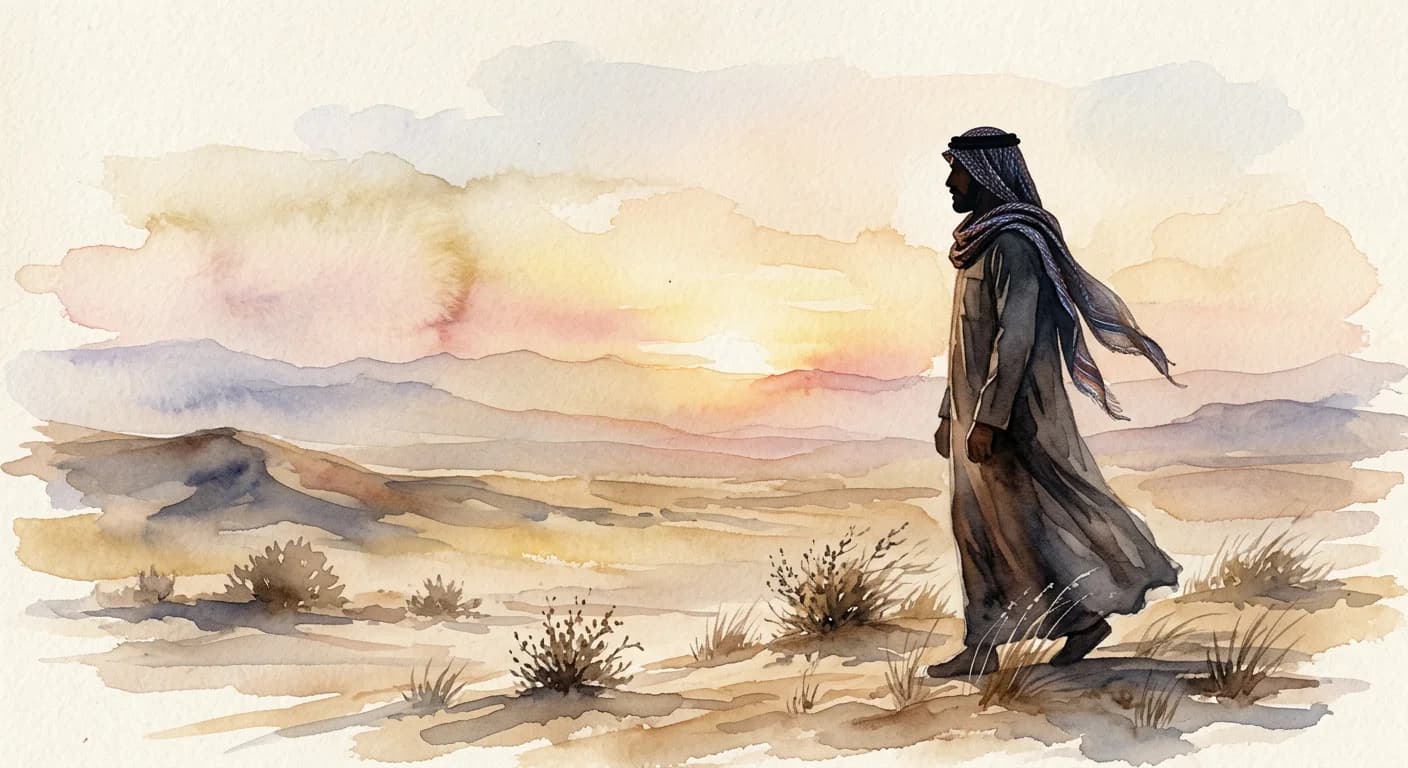
Agal
/ah-GAHL/
Meaning
The Agal is far more than a simple headrope; it is a profound sartorial declaration of identity and heritage in the Arab world. Crafted traditionally from woven camel hair, this distinctive black cord cinches the ghutra or keffiyeh, embodying not just practical function but deep cultural resonance. It symbolizes the wearer's dignity, respect, and connection to ancestral Bedouin traditions, with its style and adornment often subtly communicating social standing and regional affiliation. To don the agal is to embrace a legacy, reflecting pride in one's roots and the enduring spirit of Arab masculinity.
Literal Translation
headrope
The Story Behind the Word
The agal's existence is deeply rooted in the practicalities and symbolism of Bedouin life. Historically, it was used by desert dwellers not only to secure their head covering against sun and sand but also sometimes as a tether for camels, signifying a profound connection to their livelihood and the harsh environment. Its enduring presence reveals a culture that values tradition, honor, and visible markers of identity. The agal speaks to a worldview where heritage is cherished, and personal presentation is intertwined with respect for one's community and ancestors. It's a tangible link to a past where dignity and practicality were inseparable, allowing men to carry their history on their heads.
Experience It
Formal Gathering
At a significant family wedding, young Ahmed carefully adjusted his agal over his pristine white ghutra. His grandfather, observing with a warm smile, nodded approvingly, recognizing the respect and adherence to tradition in Ahmed's attire. The agal completed his dignified look, marking him as a man connected to his heritage.
Diplomatic Meeting
During an international delegation, Sheikh Abdullah entered, his agal perfectly set, projecting an air of quiet authority and cultural pride. It wasn't just an accessory; it was a non-verbal statement of his identity and the esteemed position he held, instantly communicating his background and the values he represented to the global audience.
The Deeper Meaning
The agal embodies a philosophy of rootedness and continuity. It suggests that true identity is often found in embracing and visibly honoring one's heritage, rather than discarding it. It reflects a cultural worldview where tradition is a source of strength and dignity, providing a framework for self-respect and community belonging in a rapidly changing world.
Did You Know?
Historically, some Bedouins would untie their agal and use it to hobble their camels at night, demonstrating its dual function as both a practical tool and a symbolic item of dress.
How It's Used
Worn by men in many Arab countries, particularly with the ghutra or keffiyeh, to hold the headscarf in place. It is a common element of traditional attire, especially in more formal settings or cultural events.