U.
HomeRegionsLanguagesEmotionsCollections
Find Your Word

“The limits of my language mean the limits of my world.”

— Ludwig Wittgenstein, Philosopher

Untranslatable

A curated collection of the world's most beautiful expressions—words that remind us language is humanity's greatest invention.

  • Home
  • Collections
  • Regions
  • Countries
  • Emotions
  • Tags
  • Contexts
  • Finder
  • Europe
  • Asia
  • Americas
  • Africa
  • Middle East
  • About
  • Contact
  • Privacy Policy
  • Terms of Service

2026 © Untranslatable. All rights reserved.

    /
    /
    1. Home
    2. /
    3. Middle East
    4. /
    5. Ankh
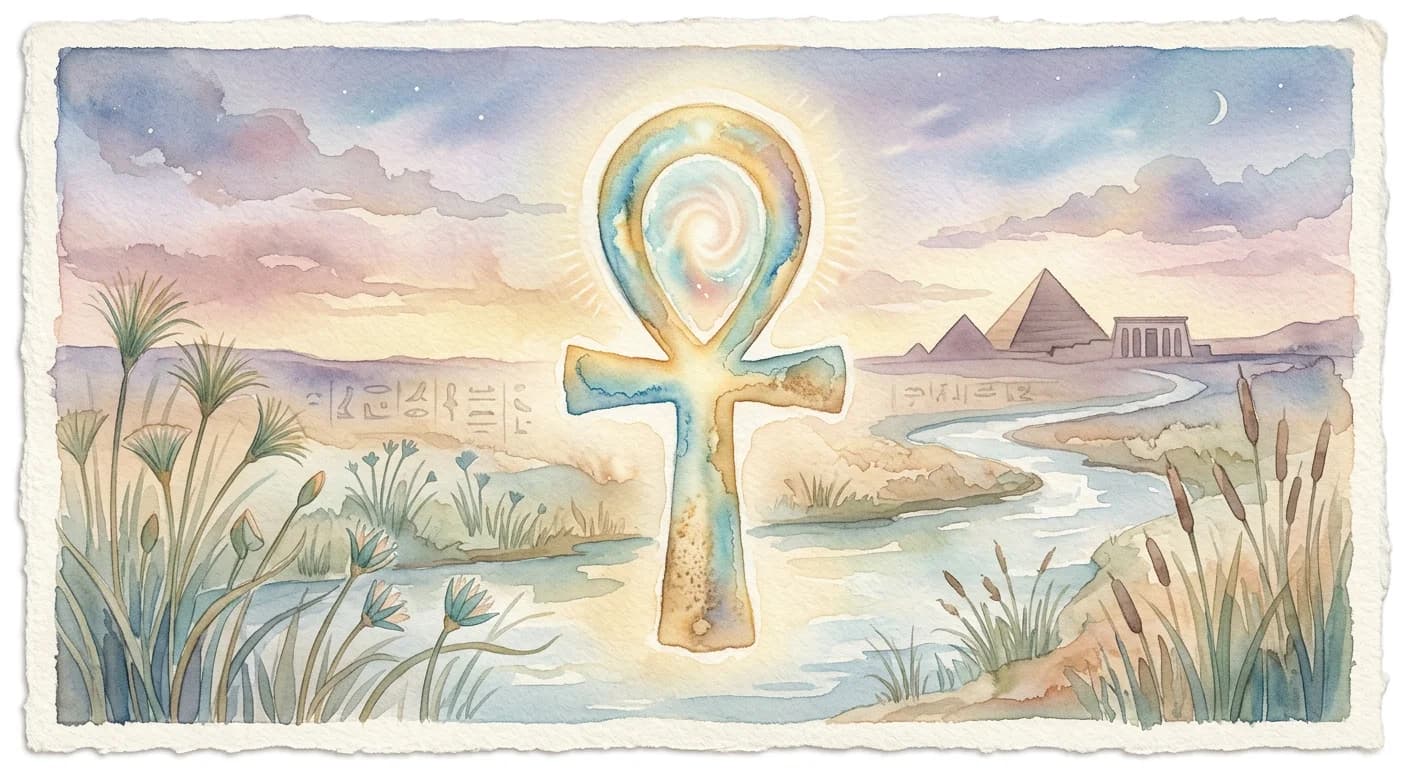
    Artistic representation of Ankh
    Ancient Egyptian•
    🇪🇬Egypt

    Ankh

    /AHNK/

    Meaning

    The Ankh is far more than a mere symbol for 'life'; it is the very essence of existence, a sacred key unlocking eternal vitality and divine breath. This iconic hieroglyph embodies not just mortal existence but also resurrection, spiritual rebirth, and the cyclical journey of the soul through the afterlife. It represents the animating force bestowed by the gods, a tangible representation of their life-giving power flowing into the mortal and immortal realms.

    Literal Translation

    life

    The Story Behind the Word

    The Ankh's profound presence in ancient Egyptian culture stems from their pervasive belief in an eternal existence and the interconnectedness of life, death, and rebirth. For the Egyptians, life was a divine gift, constantly renewed by the gods, and death was merely a transition, not an end. The Ankh, often depicted being held to the nose of pharaohs by deities, symbolizes the literal 'breath of life' (the ka), ensuring not only earthly vitality but also successful passage into the Field of Reeds. Its ubiquity in tomb paintings, amulets, and temple reliefs reveals a people deeply preoccupied with securing everlasting life and maintaining cosmic order (Ma'at), where the Ankh served as a powerful conduit for divine energy and protection, reflecting their optimistic yet practical approach to mortality.

    Experience It

    Amulet of Protection

    A grieving widow places an Ankh amulet around her deceased husband's neck, believing it will guide his 'ka' safely through the underworld and grant him eternal life. She murmurs prayers, trusting in its power to protect him on his journey to the afterlife.

    Royal Blessing

    In a grand temple relief, the god Osiris extends an Ankh towards the pharaoh's face, symbolizing the bestowal of divine life and legitimacy upon the ruler. The pharaoh receives this sacred breath, affirming his divine right to govern and ensuring the prosperity of Egypt.

    The Deeper Meaning

    The Ankh encapsulates the ancient Egyptian worldview where life was not a finite state but an eternal cycle, intricately linked with divine will and cosmic order. It reflects a philosophy that saw physical existence as a prelude to a greater, endless journey, emphasizing spiritual continuity and the power of divine intervention in sustaining all forms of life, both earthly and beyond.

    Did You Know?

    The Ankh's unique looped shape is thought by some Egyptologists to represent a sandal strap, a practical item elevated to profound symbolic meaning, or a union of male and female reproductive symbols.

    How It's Used

    The Ankh symbol was used extensively in ancient Egyptian art, amulets, and religious artifacts. It was believed to possess protective and life-giving properties, often depicted being held to the nose of royalty to symbolize the giving of the breath of life.

    Emotion
    hope
    Contexts
    daily life,religion
    🇪🇬Egypt

    by Sofia Rossi·Written Mar 14, 2026·Updated Apr 3, 2026

    Related Words

    Explore more
    TarofPersian

    Tarof is a deeply ingrained Iranian social custom, a delicate dance of politeness and deference where individuals engage in an elaborate exchange of offers and refusals. It's a performative humility, a way of showing respect and avoiding imposing, often involving multiple cycles of insistence and polite decline before a genuine acceptance or refusal is reached. This intricate ritual governs interactions from sharing food to paying bills, creating a nuanced social ballet.

    TarabArabic

    Tarab is far more than mere enjoyment; it's a profound, almost spiritual communion with music, where the performer and audience become one in a shared emotional journey. It signifies a state of ecstatic enchantment, a deep emotional surrender that transcends the self, leading to a transformative experience. This intense connection often manifests as spontaneous vocalizations, tears, or even physical swaying, as the music penetrates the soul and evokes a powerful release of feeling. It's a moment of pure, unadulterated musical rapture.

    KeyifTurkish

    Keyif is a profound state of unhurried, mindful enjoyment, a deliberate savoring of the present moment without urgency or expectation. It's not merely relaxation, but an active engagement with the simple pleasures of life, finding contentment in the sensory details of a warm cup of tea, the gentle breeze, or a quiet conversation. It embodies a serene acceptance of 'what is,' fostering an inner peace that makes even mundane activities feel like a small celebration.

    FolkeoplysningDanish

    Folkeoplysning is the vibrant heartbeat of Danish civil society, a profound commitment to public enlightenment that transcends formal schooling. It embodies the lifelong journey of knowledge acquisition and cultural immersion for every citizen, fostering critical thinking and active democratic participation. Through accessible institutions like folk high schools, libraries, and community initiatives, it empowers individuals to understand their world, engage meaningfully, and contribute to a cohesive, informed society, viewing education not as a privilege but as a fundamental right and societal pillar.