U.
HomeRegionsLanguagesEmotionsCollections
Find Your Word

“The limits of my language mean the limits of my world.”

— Ludwig Wittgenstein, Philosopher

Untranslatable

A curated collection of the world's most beautiful expressions—words that remind us language is humanity's greatest invention.

  • Home
  • Collections
  • Regions
  • Countries
  • Emotions
  • Tags
  • Contexts
  • Finder
  • Europe
  • Asia
  • Americas
  • Africa
  • Middle East
  • About
  • Contact
  • Privacy Policy
  • Terms of Service

2026 © Untranslatable. All rights reserved.

    /
    /
    1. Home
    2. /
    3. Asia
    4. /
    5. Banka
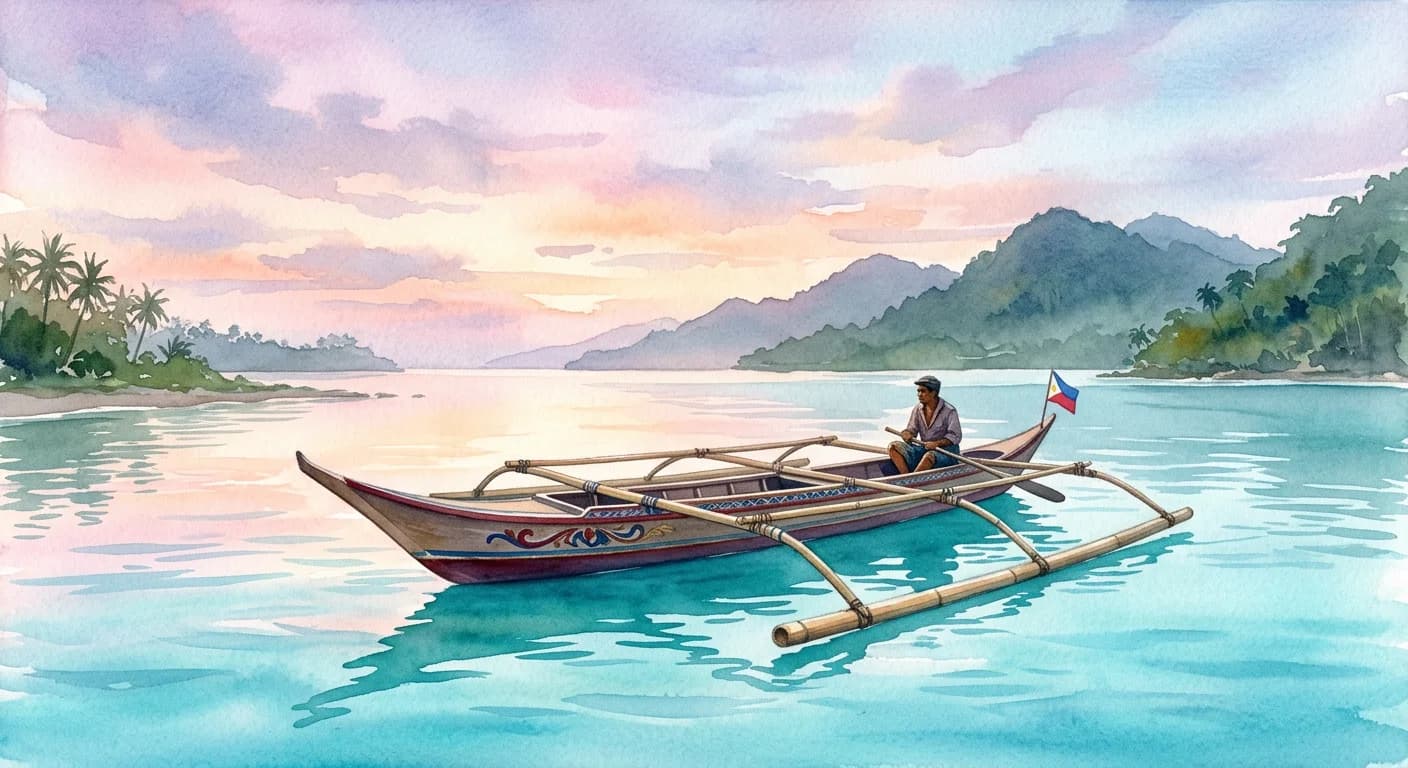
    Artistic representation of Banka
    Filipino•
    🇵🇭Philippines

    Banka

    /BAHN-kah/

    Meaning

    In the Philippines, a "banka" is far more than just a boat; it's a slender, often brightly painted outrigger canoe, a lifeline intricately woven into the fabric of coastal and island communities. These versatile vessels, with their distinctive bamboo or wooden outriggers providing stability, are the primary means of fishing, transporting goods between islands, and sustaining livelihoods. The banka embodies a deep, symbiotic relationship between the Filipino people and their archipelagic environment, representing resilience, resourcefulness, and a profound connection to the sea that shapes daily existence.

    Literal Translation

    Boat

    The Story Behind the Word

    The "banka" is a living testament to the ingenuity and adaptability of the Filipino people, evolving over millennia to suit the unique challenges and opportunities of an archipelago. Its design, particularly the outriggers (katig), showcases ancient Austronesian seafaring technology, allowing safe passage through often-turbulent tropical waters. Culturally, the banka symbolizes independence and self-sufficiency; it's often built, maintained, and even named by families, reflecting their identity and connection to their ancestral waters. It represents not just a tool but a partner in survival, a conduit for sustenance, and a vessel of tradition, linking generations to the rhythms of the ocean. The phrase 'buhay-banka' (boat life) hints at an entire existence centered around this craft.

    Experience It

    Dawn's First Catch

    As the first hint of orange streaks across the horizon, Mang Tonyo pushes his weathered banka from the shore. The rhythmic dip of his paddle is the only sound, a silent prayer for a bountiful catch to feed his family, a ritual repeated for generations.

    Island Hopping Adventure

    A group of friends excitedly board a colorful banka, its outriggers skimming the turquoise water. They're off to a secluded cove on a neighboring island, the wind in their hair, the boat a familiar friend carrying them to new adventures.

    The Deeper Meaning

    The "banka" encapsulates a philosophy of harmonious coexistence with nature, rather than dominance over it. Its design, light yet stable, reflects an understanding of the ocean's power and a clever adaptation to its conditions. It teaches humility, patience, and the value of collective effort (often requiring multiple hands to launch or retrieve), embodying the 'bayanihan' spirit in its physical form – a community united by the sea.

    Did You Know?

    Many banka are adorned with vibrant colors and even eyes painted on the bow, a practice believed to ward off evil spirits and guide the boat safely through the waters.

    How It's Used

    Used to refer to a traditional Filipino outrigger boat, especially those used for fishing or inter-island travel in smaller communities.

    Emotions
    belonging,gratitude,peace
    Contexts
    nature,travel,work
    🇵🇭Philippines

    by Dr. Kenji Tanaka·Written Mar 14, 2026·Updated Apr 3, 2026

    Related Words

    Explore more
    Dolce far nienteItalian

    Dolce far niente captures the profound joy and effortless pleasure derived from simply existing without obligation or purpose. It's the art of savoring moments of pure, unadulterated idleness – lying in the sun, watching the clouds drift, or enjoying a leisurely coffee – not as a break from work, but as a valuable state in itself. This 'sweetness of doing nothing' is a conscious embrace of stillness and contentment, allowing the soul to breathe and the senses to fully engage with the present.

    SobremesaSpanish

    Sobremesa is the cherished, often extended period immediately following a meal, particularly lunch or dinner, where diners remain seated at the table to enjoy conversation, coffee, and digest not just the food, but the company itself. It’s a dedicated time for unhurried social bonding, storytelling, and shared laughter, transforming a simple meal into a profound communal experience. Far from just clearing the dishes, sobremesa is an integral part of Spanish social life, often lasting for hours.

    Wabi-sabiJapanese

    Wabi-sabi is the profound appreciation for the ephemeral, the imperfect, and the incomplete aspects of existence. It is about discovering beauty in the subtle textures of age, the unique character of flaws, and the gentle decay that marks the passage of time. This philosophy encourages a quiet acceptance of impermanence and a mindful connection to the natural world, finding elegance in simplicity and authenticity.

    IkigaiJapanese

    Ikigai is more than just a reason to get out of bed; it's a deeply personal and evolving sense of purpose that brings genuine fulfillment and joy to one's life. It represents the sweet spot where your passions, talents, needs of the world, and what you can be paid for beautifully converge. Discovering your ikigai often leads to a life lived with intentionality, resilience, and a profound connection to one's contributions. It's the intrinsic motivation that fuels a meaningful existence, regardless of external circumstances.