U.
HomeRegionsLanguagesEmotionsCollections
Find Your Word

“The limits of my language mean the limits of my world.”

— Ludwig Wittgenstein, Philosopher

Untranslatable

A curated collection of the world's most beautiful expressions—words that remind us language is humanity's greatest invention.

  • Home
  • Collections
  • Regions
  • Countries
  • Emotions
  • Tags
  • Contexts
  • Finder
  • Europe
  • Asia
  • Americas
  • Africa
  • Middle East
  • About
  • Contact
  • Privacy Policy
  • Terms of Service

2026 © Untranslatable. All rights reserved.

    /
    /
    1. Home
    2. /
    3. Americas
    4. /
    5. Carranca
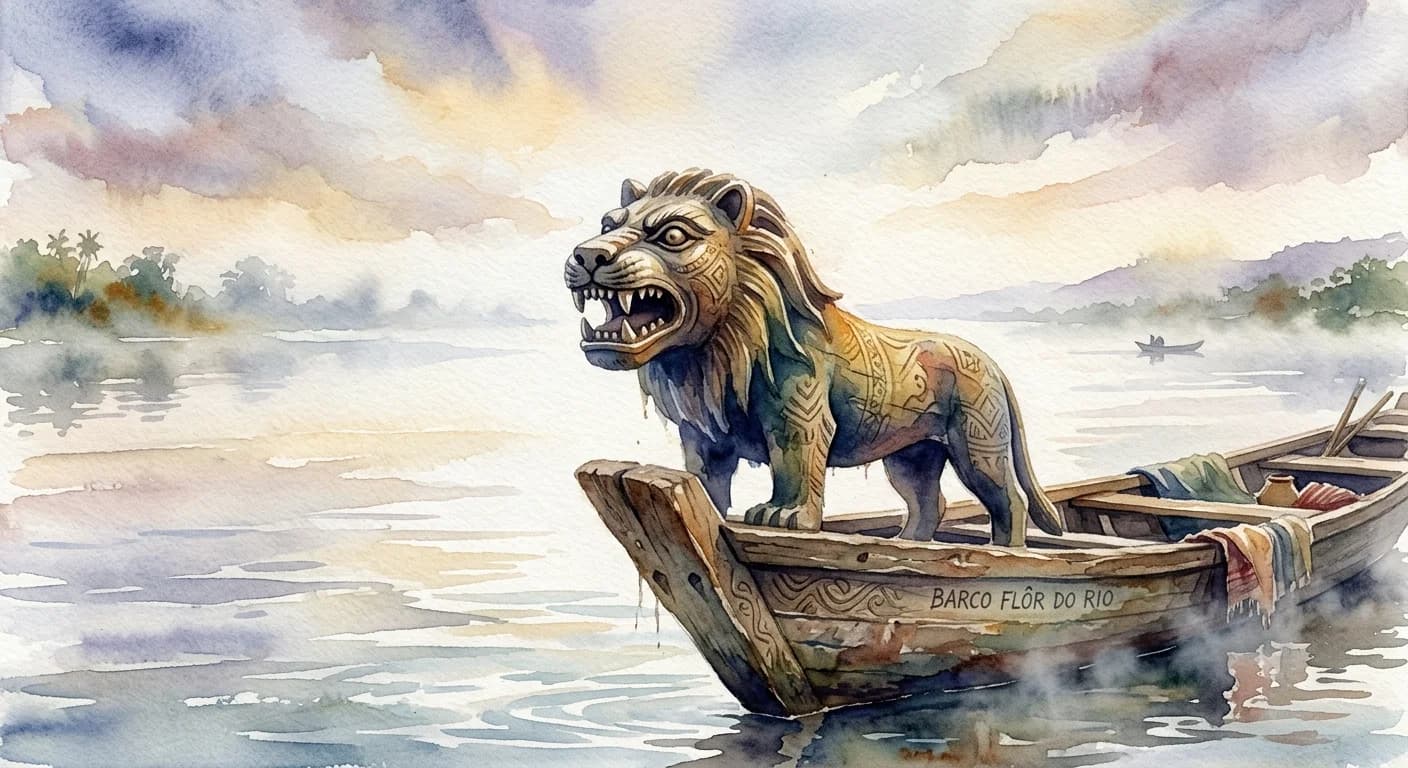
    Artistic representation of Carranca
    Portuguese•
    🇧🇷Brazil🇵🇹Portugal

    Carranca

    /kah-RAHN-kah/

    Meaning

    A "carranca" is more than just a carved mask; it's a potent symbol, often a fierce or grotesque wooden figurehead adorning the prows of traditional riverboats, especially those navigating Brazil's São Francisco River. These formidable carvings were believed to possess protective powers, warding off malevolent spirits and the river's inherent dangers, ensuring safe passage for both vessel and crew. Beyond its maritime guardian role, "carranca" also vividly describes a person's stern, scowling facial expression, conveying deep displeasure, disapproval, or a formidable demeanor.

    Literal Translation

    Scowling face / Grimace / Ship's figurehead

    The Story Behind the Word

    The carranca's origins are deeply intertwined with the spiritual beliefs and challenging realities of life along Brazil's vast rivers, particularly the São Francisco. For generations, river communities faced unpredictable currents, hidden dangers, and the vast unknown, fostering a profound respect for the supernatural. The carranca emerged as a tangible manifestation of this worldview – a fierce, almost monstrous visage crafted to confront and repel unseen evil forces, mirroring the protective role of gargoyles on European cathedrals. They represent a blend of indigenous, African, and European folklore, embodying a pragmatic approach to spirituality where powerful, often intimidating, imagery is employed to safeguard against misfortune. The continued presence of carrancas, even as river travel modernizes, speaks to an enduring cultural memory of vulnerability and the human need for symbolic protection against the mysteries of the natural world.

    Experience It

    Riverboat's Guardian

    As the old barque navigated the treacherous rapids of the São Francisco, the weathered carranca on its bow seemed to stare defiantly into the swirling waters. Its grotesque eyes and bared teeth were a silent promise of protection, a centuries-old tradition against the river's hidden dangers.

    Stern Disapproval

    When João saw his son's poor report card, a deep carranca settled on his face, his brows furrowing into a formidable scowl. His silence spoke volumes, expressing his serious displeasure far more effectively than any words could.

    The Deeper Meaning

    The carranca reflects a worldview where the material and spiritual worlds are inextricably linked, and where human agency extends to symbolically influencing unseen forces. It speaks to a deep-seated human need for protection and control in the face of the unknown, manifesting fears and hopes into a tangible form. This reveals a pragmatic spirituality, where powerful imagery serves as a crucial intermediary between humanity and the often-unpredictable forces of nature.

    Did You Know?

    While traditionally made of wood, modern carrancas are sometimes crafted from more durable materials like fiberglass for longevity, yet they retain their original fierce aesthetic and symbolic purpose.

    How It's Used

    Used to refer to the physical carved masks on boats or a person's stern facial expression.

    Emotion
    anger
    Contexts
    nature,travel,work
    🇧🇷Brazil🇵🇹Portugal

    by Kwame Nkrumah·Written Mar 14, 2026·Updated Apr 3, 2026

    Related Words

    Explore more
    Pura vidaSpanish

    More than just 'pure life,' "Pura vida" encapsulates a profound philosophy of embracing the present moment with unwavering optimism and gratitude. It's a daily commitment to finding joy in simple pleasures, accepting life's challenges with a positive spirit, and prioritizing well-being over material possessions. This ubiquitous phrase reflects a national identity built on resilience, community, and an deep appreciation for nature's bounty.

    MamihlapinatapaiYaghan

    Mamihlapinatapai encapsulates that profound, unspoken moment when two individuals lock eyes, each silently acknowledging a mutual desire or intention, yet both hesitate to be the first to act upon it. It's a delicate dance of anticipation, a shared gaze brimming with common understanding and a quiet longing for the other to break the ice. This intricate look carries the weight of a shared, uninitiated potential, a silent conversation where both parties are perfectly aware of what could happen, but neither makes the first move.

    TingoPascuense

    Tingo describes the subtle, insidious process of progressively appropriating a neighbor's belongings by habitually requesting to borrow them, only to 'forget' their return. It's not outright theft, but a slow, deliberate erosion of another's possessions, often under the guise of neighborly exchange. This gradual accumulation, piece by piece, ultimately results in a significant transfer of goods without any direct confrontation or formal acknowledgment of the loss. It speaks to a passive-aggressive form of acquisition, where social niceties are weaponized.

    JobbigtSwedish

    Jobbigt captures that distinctly Swedish feeling of mild, yet persistent, inconvenience or effort that saps one's energy without being truly overwhelming. It's the subtle friction of daily life – a slow-loading webpage, a slightly too-heavy grocery bag, or a minor administrative hurdle – that collectively makes a day feel more taxing than it should. This word perfectly encapsulates the weary resignation to life's small struggles, acknowledging them without dramatic complaint, often accompanied by a quiet sigh.