U.
HomeRegionsLanguagesEmotionsCollections
Find Your Word

“The limits of my language mean the limits of my world.”

— Ludwig Wittgenstein, Philosopher

Untranslatable

A curated collection of the world's most beautiful expressions—words that remind us language is humanity's greatest invention.

  • Home
  • Collections
  • Regions
  • Countries
  • Emotions
  • Tags
  • Contexts
  • Finder
  • Europe
  • Asia
  • Americas
  • Africa
  • Middle East
  • About
  • Contact
  • Privacy Policy
  • Terms of Service

2026 © Untranslatable. All rights reserved.

    /
    /
    1. Home
    2. /
    3. Asia
    4. /
    5. Komorebi
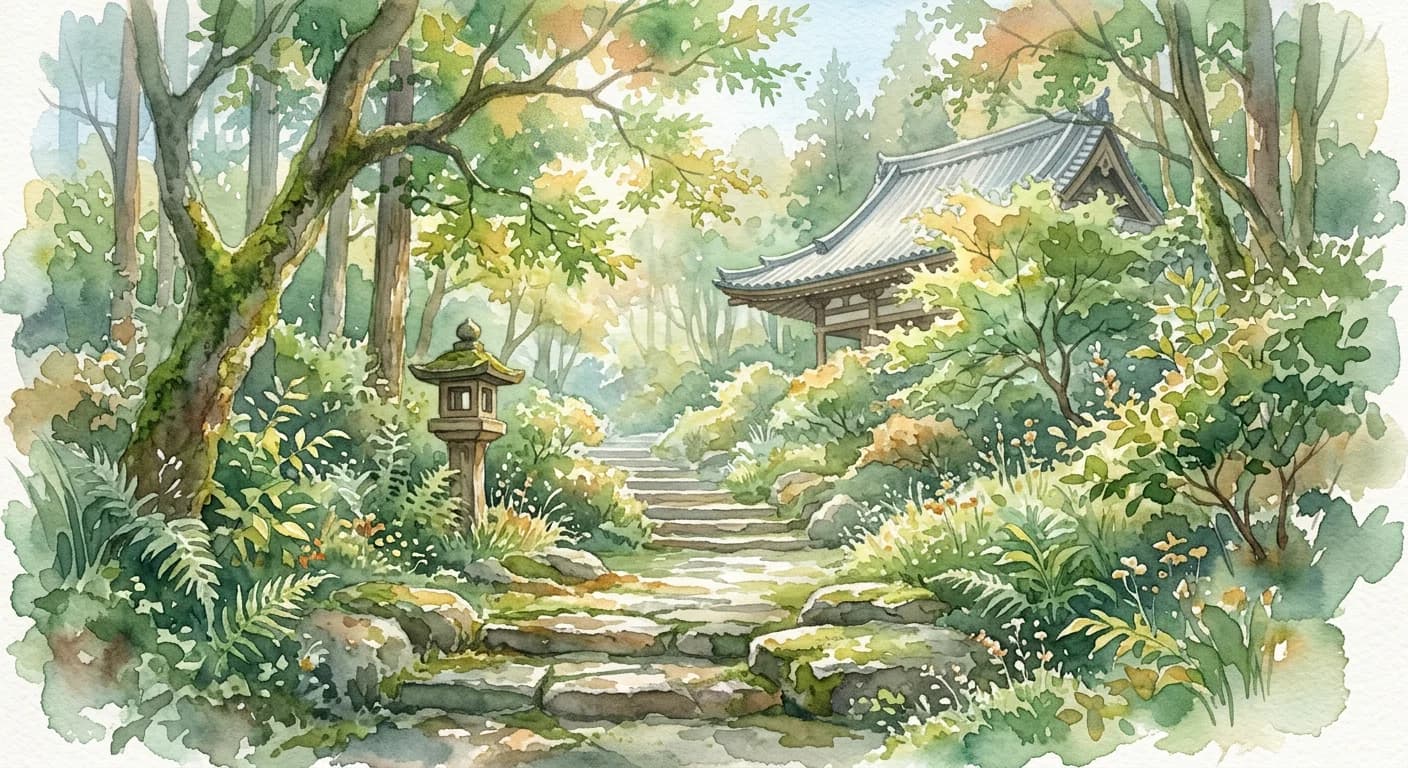
    Artistic representation of Komorebi
    Japanese•
    🇯🇵Japan

    Komorebi

    /koh-moh-reh-bee/

    Meaning

    Komorebi isn't merely sunlight; it's the dance of light and shadow created when sunbeams pierce through a canopy of leaves, casting shimmering, ephemeral patterns on the forest floor or a nearby surface. It evokes a profound sense of natural beauty, tranquility, and the fleeting nature of such perfect moments. This word encapsulates the quiet, almost meditative joy found in observing the delicate interplay between the vibrant energy of the sun and the sheltering embrace of the trees, a visual poetry that hints at the impermanence of all things beautiful.

    Literal Translation

    Sunlight filtering through trees

    The Story Behind the Word

    The existence of 'Komorebi' in Japanese culture speaks volumes about a deep-seated reverence for nature and an aesthetic sensibility known as 'wabi-sabi' – the appreciation of imperfection, impermanence, and the beauty of natural cycles. Japanese art, poetry (like haiku), and garden design often emphasize capturing transient moments and the subtle shifts in light and shadow. Komorebi embodies this philosophy, highlighting the fleeting, yet profound, beauty found in everyday natural phenomena. It reflects a cultural inclination to pause, observe, and find serenity in the delicate details of the natural world, rather than seeking to dominate or merely utilize it. This word reveals a worldview where humanity is intricately connected to, and finds spiritual solace within, the natural environment.

    Experience It

    Forest Path Meditation

    Walking through the ancient cedar forest, she paused. The 'komorebi' painted shifting gold and emerald patterns on the moss-covered stones, and she felt a profound sense of peace, the world's worries momentarily forgotten in the quiet beauty.

    Morning Tea Glow

    As the morning sun climbed higher, 'komorebi' began to filter through the maple outside the window, dappling the tatami mats and her teacup. It was a gentle, daily reminder of the subtle artistry of nature, enhancing her quiet contemplation.

    The Deeper Meaning

    Komorebi encapsulates the Japanese aesthetic principle of 'mono no aware' – a poignant awareness of the impermanence of things and a gentle melancholy at their passing, coupled with a deep appreciation for their transient beauty. It encourages a mindful engagement with the present moment, finding profound significance and beauty in the ephemeral, and recognizing the quiet, fleeting gifts nature bestows upon us.

    Did You Know?

    While 'komorebi' specifically refers to sunlight, a lesser-known term, 'tsukiyo no komorebi' (月の木漏れ日), describes the equally enchanting effect of moonlight filtering through trees!

    How It's Used

    Used to describe the visual effect of sunlight filtering through trees.

    Emotions
    peace,serenity,wonder
    Contexts
    nature,seasons,weather
    🇯🇵Japan

    by Annelise Dubois·Written Mar 10, 2026·Updated Apr 3, 2026

    Related Words

    Explore more
    Dolce far nienteItalian

    Dolce far niente captures the profound joy and effortless pleasure derived from simply existing without obligation or purpose. It's the art of savoring moments of pure, unadulterated idleness – lying in the sun, watching the clouds drift, or enjoying a leisurely coffee – not as a break from work, but as a valuable state in itself. This 'sweetness of doing nothing' is a conscious embrace of stillness and contentment, allowing the soul to breathe and the senses to fully engage with the present.

    Wabi-sabiJapanese

    Wabi-sabi is the profound appreciation for the ephemeral, the imperfect, and the incomplete aspects of existence. It is about discovering beauty in the subtle textures of age, the unique character of flaws, and the gentle decay that marks the passage of time. This philosophy encourages a quiet acceptance of impermanence and a mindful connection to the natural world, finding elegance in simplicity and authenticity.

    IkigaiJapanese

    Ikigai is more than just a reason to get out of bed; it's a deeply personal and evolving sense of purpose that brings genuine fulfillment and joy to one's life. It represents the sweet spot where your passions, talents, needs of the world, and what you can be paid for beautifully converge. Discovering your ikigai often leads to a life lived with intentionality, resilience, and a profound connection to one's contributions. It's the intrinsic motivation that fuels a meaningful existence, regardless of external circumstances.

    NunchiKorean

    Nunchi is the sophisticated, almost telepathic, ability to instantly grasp the unspoken dynamics of any social situation, anticipating others' thoughts and feelings, and then responding with impeccable grace and timing. It's an acute form of social intuition, allowing one to navigate complex interpersonal landscapes by reading subtle cues like body language, tone, and context. Possessing good nunchi means effortlessly understanding the underlying emotional currents and adjusting one's behavior to maintain harmony and effectiveness, often without a single word exchanged.

    Featured in 5 collections

    🧘‍♀️The Art of Rest🗺️The Spirit of Adventure☁️Weather's Moods