U.
HomeRegionsLanguagesEmotionsCollections
Find Your Word

“The limits of my language mean the limits of my world.”

— Ludwig Wittgenstein, Philosopher

Untranslatable

A curated collection of the world's most beautiful expressions—words that remind us language is humanity's greatest invention.

  • Home
  • Collections
  • Regions
  • Countries
  • Emotions
  • Tags
  • Contexts
  • Finder
  • Europe
  • Asia
  • Americas
  • Africa
  • Middle East
  • About
  • Contact
  • Privacy Policy
  • Terms of Service

2026 © Untranslatable. All rights reserved.

    /
    /
    1. Home
    2. /
    3. Asia
    4. /
    5. Mottainai
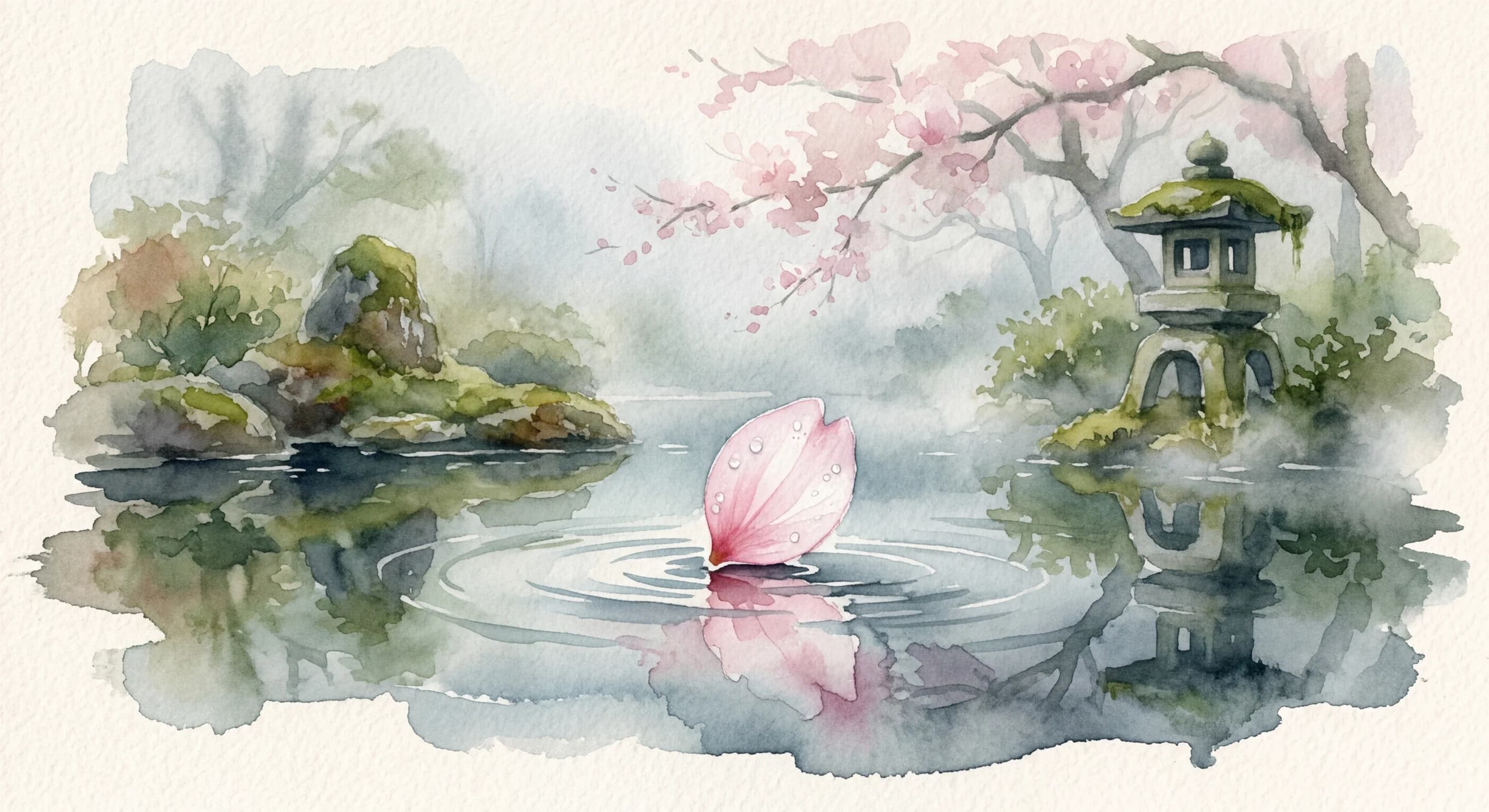
    Artistic representation of Mottainai
    Japanese•
    🇯🇵Japan

    Mottainai

    /moht-tah-nah-ee/

    Meaning

    Mottainai is a deeply ingrained Japanese sentiment expressing profound regret or sorrow over waste, extending far beyond mere economic loss. It embodies a reverence for the inherent value of all things – from a grain of rice to one's own talents – and the disrespectful squandering of that value. This powerful concept urges mindful appreciation, responsible utilization, and a conscious effort to minimize any form of neglect or extravagance, fostering a sustainable worldview.

    Literal Translation

    It's a shame / What a waste

    The Story Behind the Word

    The concept of "Mottainai" is deeply rooted in Japan's historical reverence for nature, resource scarcity, and the Buddhist principle of interconnectedness and impermanence. For centuries, Japan, as an island nation with limited natural resources, cultivated practices of frugality and ingenious reuse. This ethos was further shaped by Shinto beliefs that imbue all objects with a spirit or essence, demanding respect. Therefore, wasting something isn't just inefficient; it's a moral failure, disrespecting the effort, resources, and even the 'life' inherent in an item. It reflects a collective consciousness where harmony with the environment and mindful consumption are paramount, fostering a deep sense of gratitude for what one has.

    Experience It

    The Leftover Rice

    A child leaves a few grains of rice in their bowl. Their grandmother gently admonishes them, saying, 'Mottainai!' explaining that each grain required the farmer's hard work and the sun's energy, and should be cherished and eaten.

    Unused Creative Talent

    A talented artist decides to pursue a purely corporate career, neglecting their artistic passion. A friend might remark, 'Mottainai!' lamenting the waste of their unique creative potential and the joy it could bring to themselves and others.

    The Deeper Meaning

    Mottainai reveals a worldview that sees interconnectedness and value in everything, emphasizing gratitude and responsibility. It transcends simple frugality, embodying a holistic philosophy where acknowledging the effort, resources, and inherent worth of an item or opportunity is paramount. This fosters a deep respect for all forms of existence and encourages a conscious, sustainable way of living, valuing sufficiency over excess.

    Did You Know?

    Wangari Maathai, the Nobel Peace Prize laureate, adopted 'Mottainai' as a global environmental slogan during the 2005 G8 Summit, recognizing its universal message of 'Reduce, Reuse, Recycle, Repair,' plus a fourth 'R' for 'Respect'.

    How It's Used

    This term is used to express a feeling of regret when something valuable is wasted, misused, or not fully appreciated. It can be invoked when discarding edible food, using a high-quality item carelessly, or not utilizing one's talents to their fullest potential.

    Emotions
    gratitude,melancholy,serenity
    Contexts
    daily life,dining,nature,work
    🇯🇵Japan

    by Dr. Kenji Tanaka·Written Mar 10, 2026·Updated Apr 3, 2026

    Related Words

    Explore more
    SaudadePortuguese

    Saudade encapsulates a profound, melancholic longing for something or someone cherished that is absent, often with the bittersweet knowledge that it may never return. It's a deep emotional state tinged with nostalgia, evoking a sense of loss for past experiences, places, or people, yet also holding a tender appreciation for the beauty of what once was. This yearning is not merely sadness, but a complex tapestry of desire, memory, and a poignant acceptance of absence, holding the beloved in a warm, persistent embrace within the heart.

    Wabi-sabiJapanese

    Wabi-sabi is the profound appreciation for the ephemeral, the imperfect, and the incomplete aspects of existence. It is about discovering beauty in the subtle textures of age, the unique character of flaws, and the gentle decay that marks the passage of time. This philosophy encourages a quiet acceptance of impermanence and a mindful connection to the natural world, finding elegance in simplicity and authenticity.

    IkigaiJapanese

    Ikigai is more than just a reason to get out of bed; it's a deeply personal and evolving sense of purpose that brings genuine fulfillment and joy to one's life. It represents the sweet spot where your passions, talents, needs of the world, and what you can be paid for beautifully converge. Discovering your ikigai often leads to a life lived with intentionality, resilience, and a profound connection to one's contributions. It's the intrinsic motivation that fuels a meaningful existence, regardless of external circumstances.

    NunchiKorean

    Nunchi is the sophisticated, almost telepathic, ability to instantly grasp the unspoken dynamics of any social situation, anticipating others' thoughts and feelings, and then responding with impeccable grace and timing. It's an acute form of social intuition, allowing one to navigate complex interpersonal landscapes by reading subtle cues like body language, tone, and context. Possessing good nunchi means effortlessly understanding the underlying emotional currents and adjusting one's behavior to maintain harmony and effectiveness, often without a single word exchanged.

    Featured in 1 collection

    🎌Japanese Philosophy