U.
HomeRegionsLanguagesEmotionsCollections
Find Your Word

“The limits of my language mean the limits of my world.”

— Ludwig Wittgenstein, Philosopher

Untranslatable

A curated collection of the world's most beautiful expressions—words that remind us language is humanity's greatest invention.

  • Home
  • Collections
  • Regions
  • Countries
  • Emotions
  • Tags
  • Contexts
  • Finder
  • Europe
  • Asia
  • Americas
  • Africa
  • Middle East
  • About
  • Contact
  • Privacy Policy
  • Terms of Service

2026 © Untranslatable. All rights reserved.

    /
    /
    1. Home
    2. /
    3. Asia
    4. /
    5. Shibui
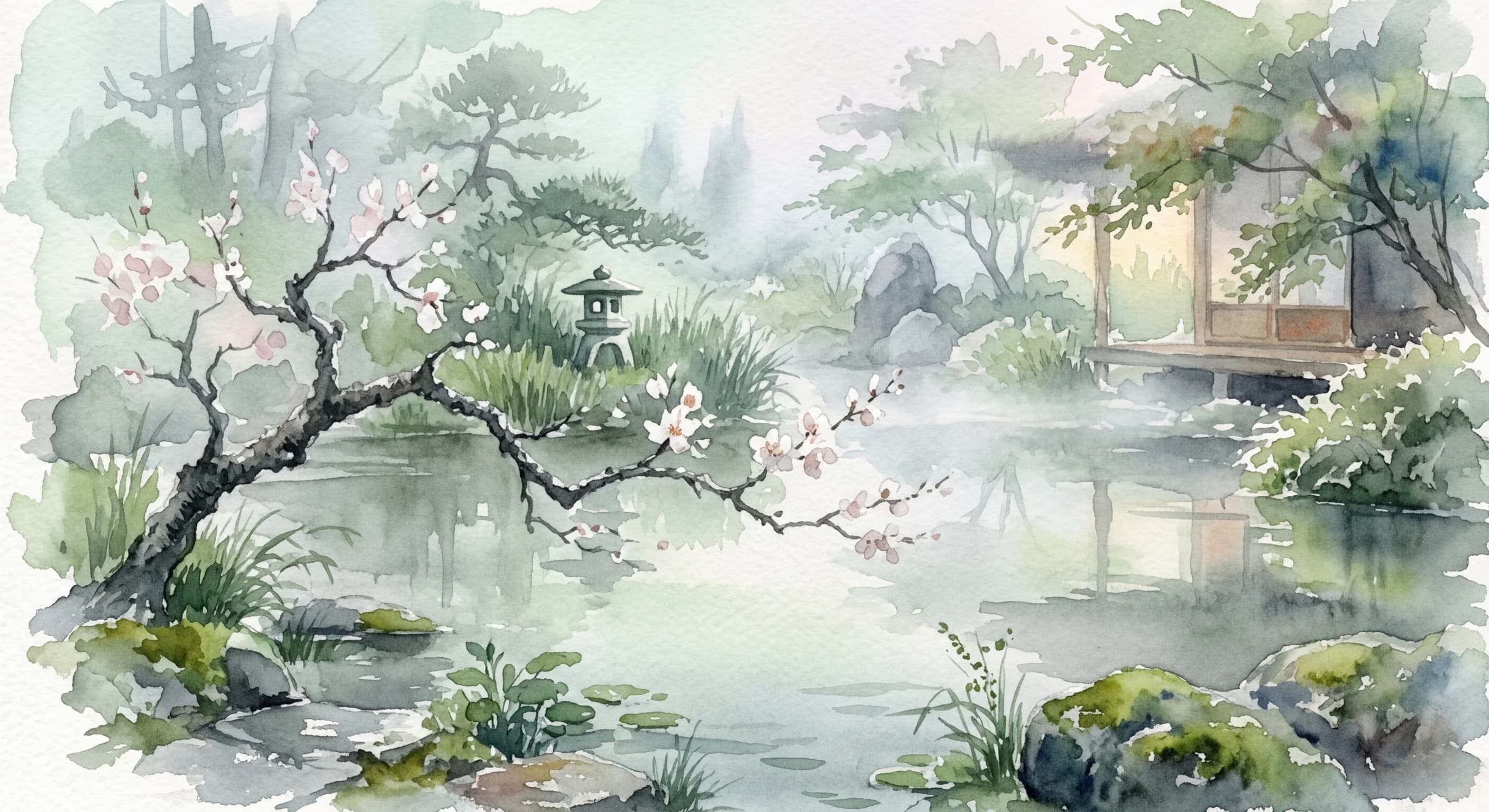
    Artistic representation of Shibui
    Japanese•
    🇯🇵Japan

    Shibui

    /shee-BOO-ee/

    Meaning

    Shibui encapsulates a profound aesthetic of understated, natural beauty that reveals its depth and complexity over time. It's an unobtrusive elegance, often found in the subtle patinas of aged materials or the harmonious asymmetry of natural forms, eschewing overt decoration for quiet sophistication. This aesthetic invites contemplation, rewarding patient observation with a sense of refined harmony and effortless grace that whispers rather than shouts. It embodies a mature appreciation for imperfection and transience, finding beauty in the authentic and the unadorned.

    Literal Translation

    While the exact literal translation is debated, it's often associated with 'astringent' or 'bitter,' hinting at a taste that is not immediately sweet but develops complexity.

    The Story Behind the Word

    The concept of Shibui is deeply rooted in Japanese aesthetic traditions, particularly influenced by Zen Buddhism and the philosophy of Wabi-Sabi. It emerged and evolved over centuries, finding expression in tea ceremony aesthetics, garden design, pottery, and textile arts. Shibui reflects a cultural preference for naturalness, simplicity, and a quiet dignity that stands in contrast to flashy displays or excessive ornamentation. It reveals a worldview that values authenticity, the beauty of age and wear, and a deep connection to the natural world, understanding that true beauty often lies in subtle imperfections and a sense of impermanence.

    Experience It

    Aged Tea Bowl

    An artisan carefully examined the antique Raku tea bowl. Its uneven glaze, the subtle chips around the rim, and the way it perfectly fit the hand, all spoke of a beauty that had matured and deepened with every use, embodying a profound shibui.

    Zen Garden Design

    The garden master arranged the stones with deliberate asymmetry, allowing moss to grow naturally on their surfaces. The overall effect was one of profound tranquility and understated elegance, a shibui landscape that invited quiet contemplation rather than immediate awe.

    The Deeper Meaning

    Shibui embodies a worldview that finds beauty in the ephemeral, the imperfect, and the unpretentious. It suggests that true elegance is not about accumulation or overt display, but about a refined sensibility that appreciates natural processes and the quiet dignity of things that have aged and acquired character. It encourages a deeper, more patient engagement with the world, revealing beauty in subtlety rather than immediate impact.

    Did You Know?

    The term 'shibui' was popularized in the West by American designers and architects in the mid-20th century, particularly after an exhibition at MoMA in 1960, highlighting its universal appeal beyond Japan.

    How It's Used

    Shibui is used to describe aesthetics, art, design, fashion, and even personality traits that possess a understated, sophisticated, and natural elegance.

    Emotions
    contentment,peace,serenity,warmth
    Contexts
    dining,nature,relaxation,solitude
    🇯🇵Japan

    by Anya Petrova·Written Mar 10, 2026·Updated Apr 3, 2026

    Related Words

    Explore more
    HyggeDanish

    Hygge is more than mere coziness; it's a holistic embrace of comfort, warmth, and belonging that nourishes the soul. It describes the intentional creation of an intimate atmosphere where simple pleasures, genuine connection, and mindful presence converge, fostering a profound sense of contentment and well-being. It's about finding joy and peace in the small, everyday moments, often shared with loved ones.

    GezelligDutch

    Gezellig encapsulates a profound sense of warmth, belonging, and convivial comfort, extending beyond mere coziness to embrace the social and emotional atmosphere. It's the feeling of being truly at ease, surrounded by good company, laughter, and a shared sense of contentment. This untranslatable term describes not just a physical space, but a holistic experience where time seems to slow down, fostering genuine connection and a deep sense of well-being.

    Dolce far nienteItalian

    Dolce far niente captures the profound joy and effortless pleasure derived from simply existing without obligation or purpose. It's the art of savoring moments of pure, unadulterated idleness – lying in the sun, watching the clouds drift, or enjoying a leisurely coffee – not as a break from work, but as a valuable state in itself. This 'sweetness of doing nothing' is a conscious embrace of stillness and contentment, allowing the soul to breathe and the senses to fully engage with the present.

    Wabi-sabiJapanese

    Wabi-sabi is the profound appreciation for the ephemeral, the imperfect, and the incomplete aspects of existence. It is about discovering beauty in the subtle textures of age, the unique character of flaws, and the gentle decay that marks the passage of time. This philosophy encourages a quiet acceptance of impermanence and a mindful connection to the natural world, finding elegance in simplicity and authenticity.