U.
HomeRegionsLanguagesEmotionsCollections
Find Your Word

“The limits of my language mean the limits of my world.”

— Ludwig Wittgenstein, Philosopher

Untranslatable

A curated collection of the world's most beautiful expressions—words that remind us language is humanity's greatest invention.

  • Home
  • Collections
  • Regions
  • Countries
  • Emotions
  • Tags
  • Contexts
  • Finder
  • Europe
  • Asia
  • Americas
  • Africa
  • Middle East
  • About
  • Contact
  • Privacy Policy
  • Terms of Service

2026 © Untranslatable. All rights reserved.

    /
    /
    1. Home
    2. /
    3. Asia
    4. /
    5. Heijōshin
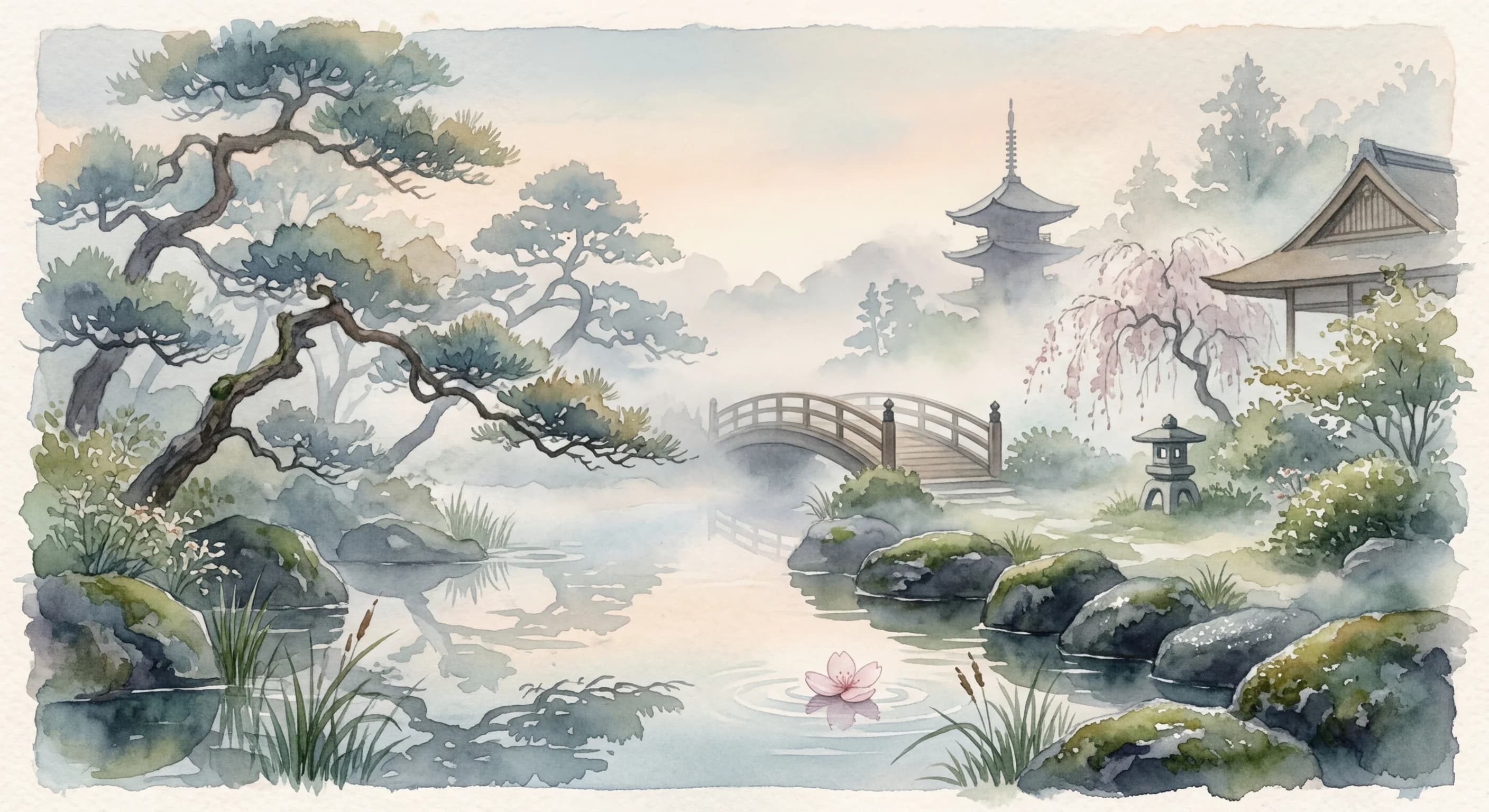
    Artistic representation of Heijōshin
    Japanese•
    🇯🇵Japan

    Heijōshin

    /HAY-joh-shin/

    Meaning

    Heijōshin describes a profound state of inner equilibrium, a 'normal mind' that transcends the fluctuations of daily life. It's the cultivated ability to remain unperturbed and clear-headed, whether navigating a personal crisis or experiencing unexpected triumph. This steadfast composure allows an individual to act with intention and wisdom, maintaining a core sense of self amidst all external circumstances, embodying a calm heart in a chaotic world.

    Literal Translation

    normal heart/mind

    The Story Behind the Word

    The concept of Heijōshin is deeply rooted in Zen Buddhism and Bushido, the way of the warrior. In Zen, it reflects the enlightened mind that perceives reality directly, free from emotional distortions. For samurai, maintaining Heijōshin on the battlefield was crucial for survival and effective leadership, ensuring decisions were made with clarity rather than fear or rashness. This emphasis on inner mastery reflects a Japanese worldview that values harmony, resilience, and the belief that true strength comes from within. It's not about suppressing emotions, but rather observing them without being swept away, allowing for dignified conduct in all situations. This cultural emphasis on self-control and inner peace has permeated various aspects of Japanese life, from martial arts to everyday social interactions.

    Experience It

    Crisis at Work

    A critical system fails unexpectedly, causing widespread disruption. The project manager, despite the mounting pressure, calmly assesses the situation, delegates tasks efficiently, and reassures the team, embodying Heijōshin as she guides them through the crisis.

    Unexpected Recognition

    After years of dedicated work, an artist receives a prestigious award. While deeply grateful, she accepts the honor with quiet dignity, her Heijōshin preventing her from becoming arrogant or overly emotional, maintaining her humble focus on her craft.

    The Deeper Meaning

    Heijōshin reveals a philosophy that views life's challenges not as obstacles to be avoided, but as opportunities to practice and strengthen one's inner resolve. It posits that true freedom and wisdom come from mastering one's own mind, rather than seeking to control external events. This perspective encourages a proactive approach to emotional well-being, where equanimity is a cultivated virtue, essential for a meaningful and balanced existence.

    Did You Know?

    Heijōshin is often translated as 'ordinary mind' in Zen, emphasizing that enlightenment isn't extraordinary, but the natural state once illusions are cleared.

    How It's Used

    Used in contexts where emotional stability and composure are valued, especially during challenging situations or moments of significant change.

    Emotions
    contentment,peace,serenity
    Contexts
    daily life,work
    🇯🇵Japan

    by Annelise Dubois·Written Mar 10, 2026·Updated Apr 3, 2026

    Related Words

    Explore more
    HyggeDanish

    Hygge is more than mere coziness; it's a holistic embrace of comfort, warmth, and belonging that nourishes the soul. It describes the intentional creation of an intimate atmosphere where simple pleasures, genuine connection, and mindful presence converge, fostering a profound sense of contentment and well-being. It's about finding joy and peace in the small, everyday moments, often shared with loved ones.

    Dolce far nienteItalian

    Dolce far niente captures the profound joy and effortless pleasure derived from simply existing without obligation or purpose. It's the art of savoring moments of pure, unadulterated idleness – lying in the sun, watching the clouds drift, or enjoying a leisurely coffee – not as a break from work, but as a valuable state in itself. This 'sweetness of doing nothing' is a conscious embrace of stillness and contentment, allowing the soul to breathe and the senses to fully engage with the present.

    Wabi-sabiJapanese

    Wabi-sabi is the profound appreciation for the ephemeral, the imperfect, and the incomplete aspects of existence. It is about discovering beauty in the subtle textures of age, the unique character of flaws, and the gentle decay that marks the passage of time. This philosophy encourages a quiet acceptance of impermanence and a mindful connection to the natural world, finding elegance in simplicity and authenticity.

    IkigaiJapanese

    Ikigai is more than just a reason to get out of bed; it's a deeply personal and evolving sense of purpose that brings genuine fulfillment and joy to one's life. It represents the sweet spot where your passions, talents, needs of the world, and what you can be paid for beautifully converge. Discovering your ikigai often leads to a life lived with intentionality, resilience, and a profound connection to one's contributions. It's the intrinsic motivation that fuels a meaningful existence, regardless of external circumstances.