Sabi
/SAH-bee/
Meaning
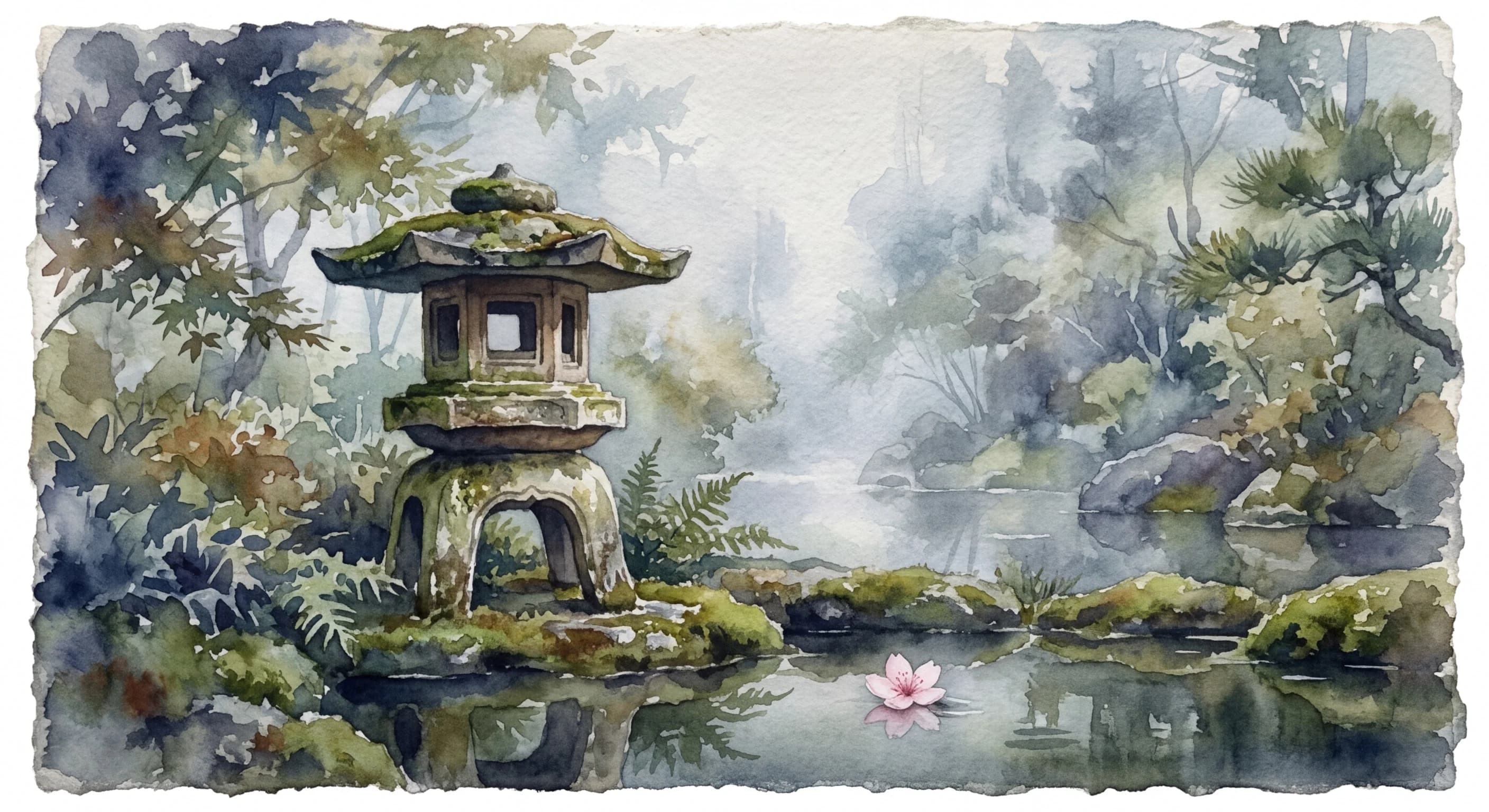
Sabi, as part of the wabi-sabi aesthetic, embodies the profound beauty that emerges from the passage of time and the graceful decay it brings. It is the quiet dignity of an aged object, where wear, tear, and visible repairs tell a story of longevity and resilience. This concept celebrates the serene beauty found in the ephemeral, the imperfect, and the incomplete, recognizing that true elegance often lies in the natural cycle of growth, decline, and eventual dissolution.
Literal Translation
Wabi (侘) relates to the simple, humble, rustic beauty found in nature and simplicity. Sabi (寂) refers to the beauty or serenity that comes with age, when an object's life is apparent from its wear and tear, or any visible repairs.
The Story Behind the Word
The concept of wabi-sabi, with 'sabi' as its core, evolved significantly during Japan's tumultuous medieval period, influenced heavily by Zen Buddhism. The impermanence of life, the austerity of monastic practice, and a rejection of material excess fostered an appreciation for simplicity, naturalness, and the beauty of decay. This worldview reveals a culture that finds profound meaning not in pristine perfection or eternal youth, but in the transient nature of existence itself. It teaches humility, acceptance of fate, and a deep reverence for the quiet, understated beauty found in the natural world and the marks of time on all things. It reflects a world where value is placed on authenticity, the stories embedded in an object's history, and the gentle melancholy of things fading.
Experience It
Aged Tea Bowl
A potter holds an ancient Raku tea bowl, its glaze cracked and worn, the rim gently chipped from centuries of use. He traces the faint lines of a gold lacquer repair, a testament to its long life, finding a profound, serene beauty in its imperfections and the stories etched into its surface.
Autumn Garden
She sits by the window, watching the autumn leaves slowly turn brown and fall, their vibrant summer hues giving way to a more subdued palette. The garden, once lush and green, now holds a quiet, melancholic beauty in its fading glory, a perfect reflection of sabi.
The Deeper Meaning
Sabi offers a profound philosophical insight into the acceptance of impermanence, a core tenet of Buddhist thought. It encourages a shift from striving for an unattainable perfection to finding peace and beauty in the natural processes of aging, decay, and transformation. This perspective fosters a deep connection to the cycle of life and an appreciation for the transient, often overlooked, aspects of existence.
Did You Know?
The term 'sabi' originally referred to loneliness or desolation, but over centuries, it transformed to embrace the beauty of things aged and worn, evoking a sense of tranquil elegance.
How It's Used
Wabi-sabi is an aesthetic philosophy and worldview, often applied to art, design, and an appreciation of nature. It is used to describe objects, environments, or experiences that embody these principles of transience and imperfection.