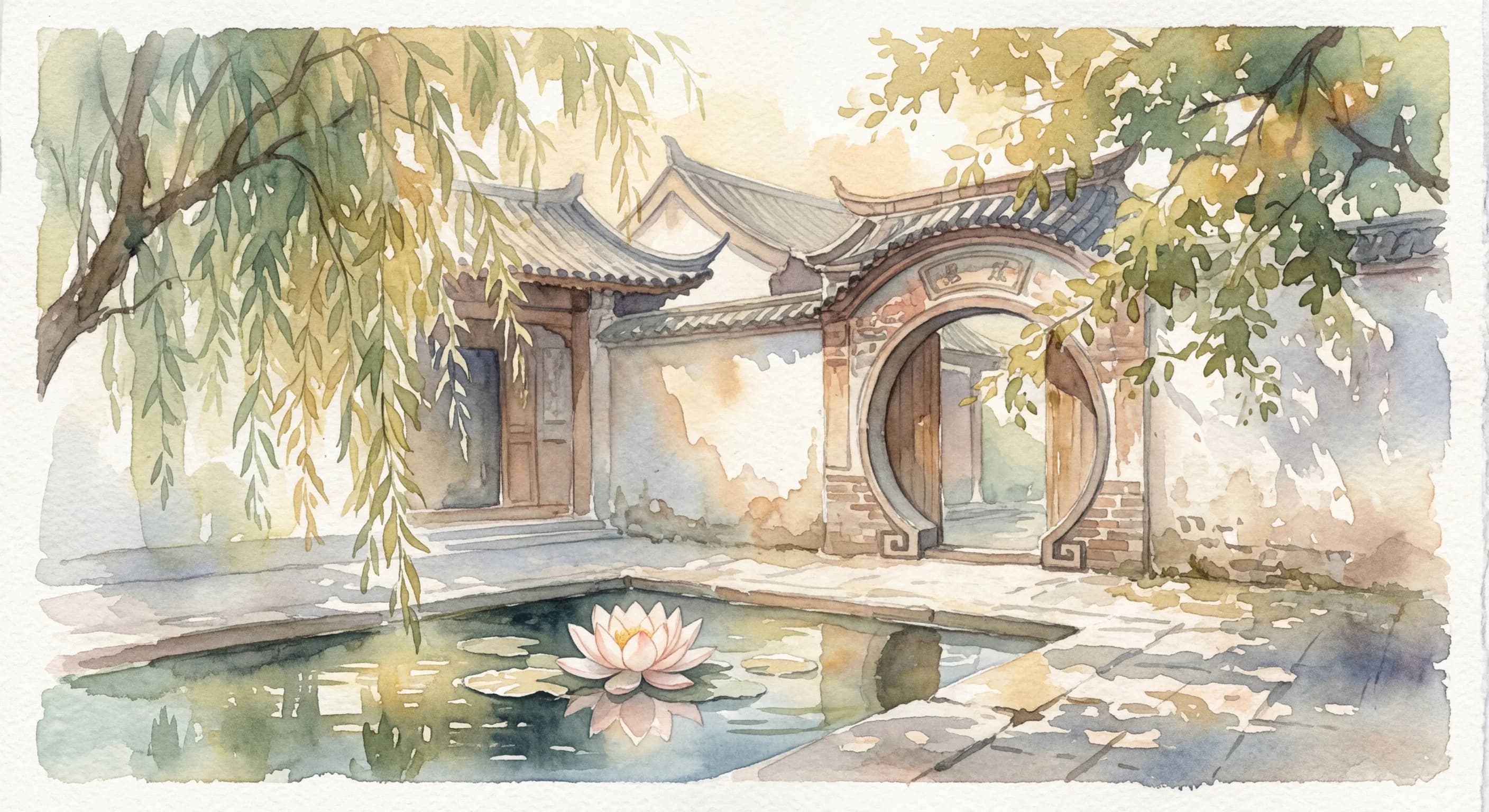
小确幸 (xiǎoquèxìng)
/shyao-kwuh-shing/
Meaning
小确幸 (xiǎoquèxìng) describes the subtle, yet deeply felt, contentment derived from small, certain moments of happiness that punctuate daily life. It's the delightful surprise of discovering a forgotten bill in an old coat pocket, the simple pleasure of a perfectly brewed cup of coffee on a slow morning, or the unexpected warmth from a stranger's smile. These 'little certain happinesses' are not grand ambitions realized, but rather fleeting, intimate experiences that offer a gentle reprieve from routine, enriching one's existence with quiet joy and a profound sense of momentary well-being.
Literal Translation
small certain happiness
The Story Behind the Word
The term 小确幸 (xiǎoquèxìng) was popularized in Chinese culture through the works of Japanese writer Haruki Murakami, particularly his essay collection 'Afternoon in the Islets of Langerhans,' where he used the Japanese equivalent 'shōchiisana kakujitsu na kōfuku' (小確かな幸福). Its adoption and widespread embrace in China, especially among younger generations, reflect a societal shift towards valuing personal well-being and finding solace in the mundane amidst the pressures of rapid modernization, fierce competition, and often overwhelming societal expectations. It offers an antidote to the 'rat race' mentality, encouraging individuals to pause and appreciate the present. This concept resonates deeply in a culture that historically often prioritized collective goals and grand achievements, highlighting a growing desire for individual, accessible sources of contentment and a more balanced perspective on success and happiness.
Experience It
Unexpected Free Seat
After a long day at work, Sarah boards the crowded subway, bracing herself for a standing journey. Just as the doors close, someone stands up, offering her an empty seat right by the window. She settles in, feeling a small, certain happiness as she watches the city lights blur past.
Perfectly Ripe Avocado
Li Wei is making his favorite toast for breakfast and cuts open an avocado, hoping for the best. To his delight, it's perfectly ripe and green throughout, with no brown spots. He smiles, savoring this small moment of unexpected perfection before spreading it on his toast.
The Deeper Meaning
小确幸 embodies a philosophy of mindful appreciation and finding joy in simplicity. It encourages a shift from pursuing grand, often elusive, goals to recognizing the inherent value and beauty in everyday occurrences. This perspective gently pushes back against consumerism and the constant striving for more, advocating for a contentment rooted in gratitude for the present moment and the small, reliable blessings that often go unnoticed.
Did You Know?
While popularized in Chinese culture, the term 小确幸 (xiǎoquèxìng) is a direct translation of the Japanese phrase 'shōchiisana kakujitsu na kōfuku' (小確かな幸福), coined by author Haruki Murakami.
How It's Used
Used to describe small, everyday pleasures and moments of unexpected good fortune that bring a sense of personal satisfaction and happiness.