U.
HomeRegionsLanguagesEmotionsCollections
Find Your Word

“The limits of my language mean the limits of my world.”

— Ludwig Wittgenstein, Philosopher

Untranslatable

A curated collection of the world's most beautiful expressions—words that remind us language is humanity's greatest invention.

  • Home
  • Collections
  • Regions
  • Countries
  • Emotions
  • Tags
  • Contexts
  • Finder
  • Europe
  • Asia
  • Americas
  • Africa
  • Middle East
  • About
  • Contact
  • Privacy Policy
  • Terms of Service

2026 © Untranslatable. All rights reserved.

    /
    /
    1. Home
    2. /
    3. Asia
    4. /
    5. Yinyang
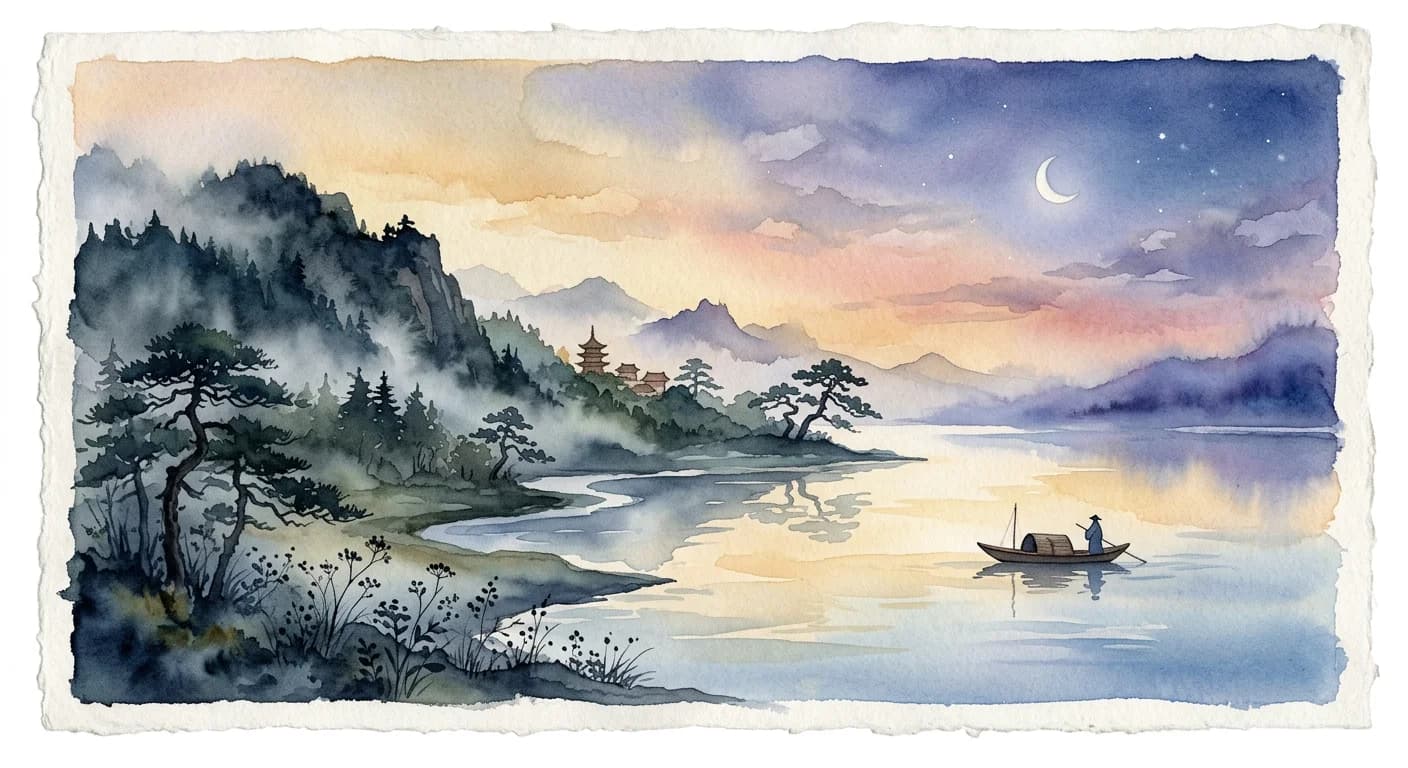
    Artistic representation of yinyang
    Mandarin Chinese•
    🇨🇳China

    Yinyang

    /yin-yang/

    Meaning

    Yinyang encapsulates the profound Chinese philosophical concept that seemingly opposing forces are, in fact, interconnected, interdependent, and complementary within the natural world. It describes a dynamic interplay where these dualities constantly transform and give rise to each other, maintaining a harmonious balance rather than a conflict. This principle illuminates the ebb and flow of existence, where every phenomenon contains the seed of its opposite, ensuring perpetual change and cosmic equilibrium.

    Literal Translation

    shadow-sun

    The Story Behind the Word

    The concept of Yinyang is foundational to Chinese thought, predating many philosophical schools and deeply embedded in the I Ching (Book of Changes), one of the oldest Chinese classics. Its origins are often traced to observations of natural cycles—day and night, seasons, and the behavior of celestial bodies. This worldview posits that reality is not static but a dance of polarities, revealing a culture that values balance, moderation, and understanding the interconnectedness of all things. It informs everything from traditional Chinese medicine (diagnosing imbalances in the body's Yinyang) to martial arts (harmonizing hard and soft movements) and even feng shui (balancing environmental energies), demonstrating a holistic approach to life where harmony is paramount.

    Experience It

    Balancing the Seasons

    A farmer observes the changing seasons. The intense heat and growth of summer (yang) gradually give way to the cooling and dormancy of winter (yin), not as a battle, but as necessary phases in the agricultural cycle, each containing the potential for the other. This understanding guides their planting and harvesting decisions.

    Martial Arts Flow

    During a tai chi session, the master explains how each movement embodies Yinyang. A powerful, outward strike (yang) is always followed by a yielding, inward pull (yin), creating a continuous, fluid motion that is both strong and adaptable. The practitioner learns to flow between these states effortlessly.

    The Deeper Meaning

    Yinyang reveals a worldview that embraces paradox and impermanence, rejecting rigid dualisms in favor of dynamic interdependence. It suggests that true understanding comes from recognizing the unity withinapparent opposition, fostering a philosophy of balance, adaptation, and cyclical thinking. This perspective encourages finding harmony amidst change, rather than seeking absolute states.

    Did You Know?

    The iconic Yinyang symbol, the Taijitu, is not just static but symbolizes constant movement and transformation, with the small dot of the opposite color in each half representing the inherent potential for change within each force.

    How It's Used

    Used to describe the complementary and opposing forces in nature and the universe. It is a core principle in traditional Chinese medicine, philosophy, martial arts, and various cultural practices.

    Emotions
    peace,wonder
    Contexts
    daily life,nature,philosophy,seasons
    🇨🇳China

    by Dr. Kenji Tanaka·Written Mar 10, 2026·Updated Apr 3, 2026

    Related Words

    Explore more
    Dolce far nienteItalian

    Dolce far niente captures the profound joy and effortless pleasure derived from simply existing without obligation or purpose. It's the art of savoring moments of pure, unadulterated idleness – lying in the sun, watching the clouds drift, or enjoying a leisurely coffee – not as a break from work, but as a valuable state in itself. This 'sweetness of doing nothing' is a conscious embrace of stillness and contentment, allowing the soul to breathe and the senses to fully engage with the present.

    Wabi-sabiJapanese

    Wabi-sabi is the profound appreciation for the ephemeral, the imperfect, and the incomplete aspects of existence. It is about discovering beauty in the subtle textures of age, the unique character of flaws, and the gentle decay that marks the passage of time. This philosophy encourages a quiet acceptance of impermanence and a mindful connection to the natural world, finding elegance in simplicity and authenticity.

    IkigaiJapanese

    Ikigai is more than just a reason to get out of bed; it's a deeply personal and evolving sense of purpose that brings genuine fulfillment and joy to one's life. It represents the sweet spot where your passions, talents, needs of the world, and what you can be paid for beautifully converge. Discovering your ikigai often leads to a life lived with intentionality, resilience, and a profound connection to one's contributions. It's the intrinsic motivation that fuels a meaningful existence, regardless of external circumstances.

    NunchiKorean

    Nunchi is the sophisticated, almost telepathic, ability to instantly grasp the unspoken dynamics of any social situation, anticipating others' thoughts and feelings, and then responding with impeccable grace and timing. It's an acute form of social intuition, allowing one to navigate complex interpersonal landscapes by reading subtle cues like body language, tone, and context. Possessing good nunchi means effortlessly understanding the underlying emotional currents and adjusting one's behavior to maintain harmony and effectiveness, often without a single word exchanged.