U.
HomeRegionsLanguagesEmotionsCollections
Find Your Word

“The limits of my language mean the limits of my world.”

— Ludwig Wittgenstein, Philosopher

Untranslatable

A curated collection of the world's most beautiful expressions—words that remind us language is humanity's greatest invention.

  • Home
  • Collections
  • Regions
  • Countries
  • Emotions
  • Tags
  • Contexts
  • Finder
  • Europe
  • Asia
  • Americas
  • Africa
  • Middle East
  • About
  • Contact
  • Privacy Policy
  • Terms of Service

2026 © Untranslatable. All rights reserved.

    /
    /
    1. Home
    2. /
    3. Asia
    4. /
    5. Dào
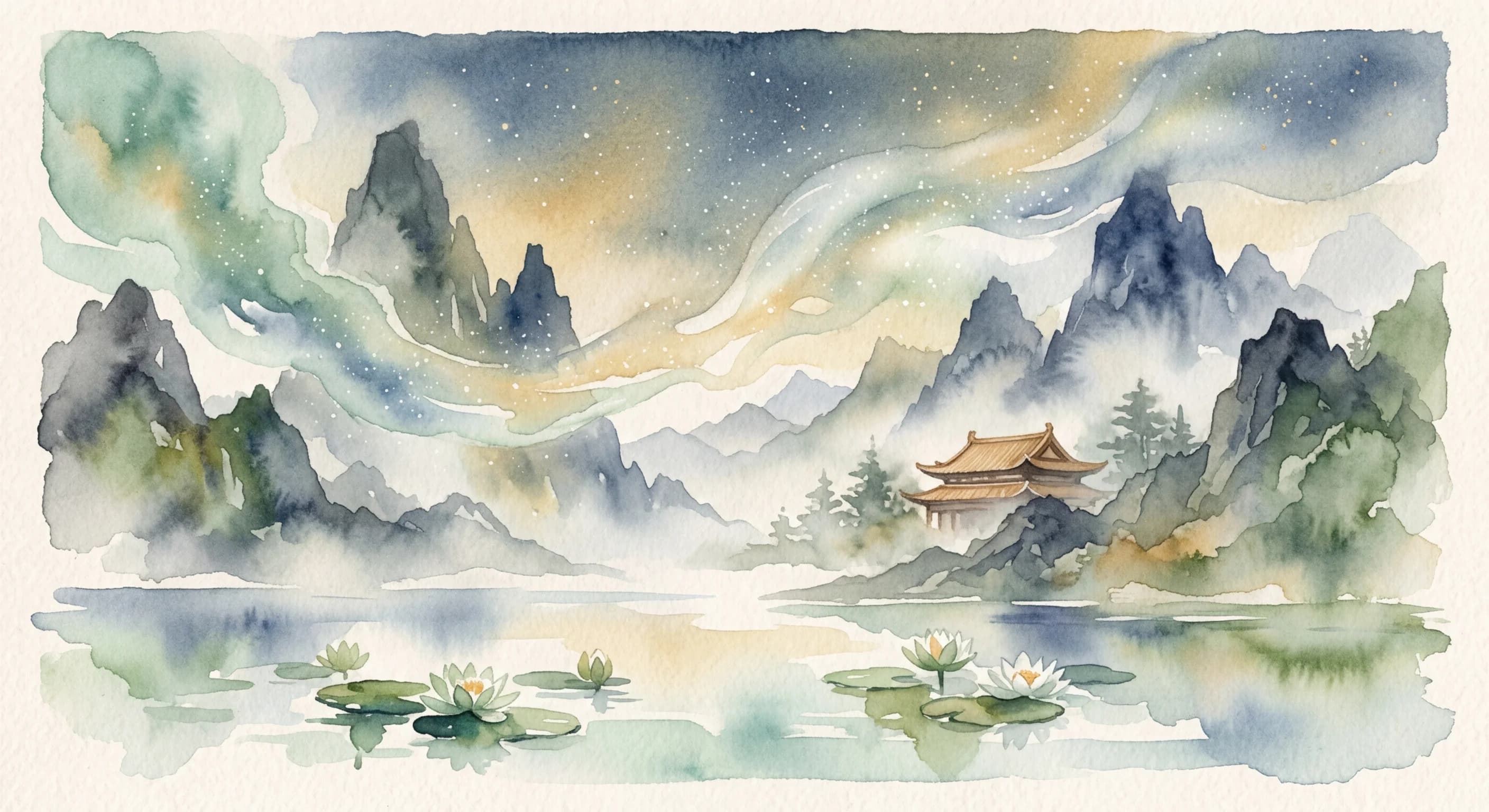
    Artistic representation of dào
    Mandarin Chinese•
    🇨🇳China🇯🇵Japan

    Dào

    /DOW/

    Meaning

    Dào is far more than a simple road; it's the profound, ineffable cosmic current that orchestrates the universe, the underlying principle from which all existence emanates and to which it ultimately returns. It embodies the natural rhythm and spontaneous flow of life, a dynamic equilibrium that guides everything from the turn of the seasons to the beating of a human heart. To truly understand and align with the Dào is to achieve a state of effortless action and profound inner peace, transcending superficial distinctions to embrace the fundamental harmony of reality itself.

    Literal Translation

    road, path, way, principle

    The Story Behind the Word

    The concept of Dào is foundational to Chinese thought, predating even the formalization of Taoism and Confucianism, and reflecting an ancient worldview that saw the cosmos as an organic, interconnected whole. Its existence reveals a deep cultural emphasis on natural order, balance, and the idea that wisdom comes not from imposing one's will, but from observing and adapting to the inherent patterns of the world. For millennia, Chinese philosophy has sought to understand and articulate this 'Way,' influencing everything from governance and art to daily etiquette and martial arts. It speaks to a cultural preference for holistic understanding over reductionist analysis, and a spiritual inclination towards immanence rather than transcendence.

    Experience It

    Finding the Dào in Art

    An elderly calligrapher contemplates the blank scroll, not planning each stroke but allowing his brush to move with an intuitive flow. He explains, 'The ink follows the Dào, not my hand. When I am in harmony, the character manifests itself, alive and balanced.'

    Living the Simple Dào

    A farmer, tending his fields without modern machinery, observes the weather, the soil, and the growth of his crops. He lives in tune with the seasons, saying, 'We don't fight nature; we work with it. That is the Dào of farming, and of life.'

    The Deeper Meaning

    Dào encapsulates a worldview where the universe is not a chaotic accident but an intelligent, self-organizing system. It posits that human flourishing is achieved not through external conquest or rigid adherence to rules, but by cultivating an inner state of receptivity and spontaneity that mirrors the natural world. This promotes a profound sense of interconnectedness and a humility before the vast, unfolding mystery of existence.

    Did You Know?

    The opening line of the Tao Te Ching, 'The Dào that can be told is not the eternal Dào,' highlights its ineffable nature, suggesting it can only be experienced, not fully defined.

    How It's Used

    Used in philosophical discussions, spiritual contexts, and everyday language to refer to a path, a method, or the underlying principles of something.

    Emotions
    peace,serenity,wonder
    Contexts
    nature,relaxation,solitude
    🇨🇳China🇯🇵Japan

    by Sofia Rossi·Written Mar 10, 2026·Updated Apr 3, 2026

    Related Words

    Explore more
    Dolce far nienteItalian

    Dolce far niente captures the profound joy and effortless pleasure derived from simply existing without obligation or purpose. It's the art of savoring moments of pure, unadulterated idleness – lying in the sun, watching the clouds drift, or enjoying a leisurely coffee – not as a break from work, but as a valuable state in itself. This 'sweetness of doing nothing' is a conscious embrace of stillness and contentment, allowing the soul to breathe and the senses to fully engage with the present.

    Wabi-sabiJapanese

    Wabi-sabi is the profound appreciation for the ephemeral, the imperfect, and the incomplete aspects of existence. It is about discovering beauty in the subtle textures of age, the unique character of flaws, and the gentle decay that marks the passage of time. This philosophy encourages a quiet acceptance of impermanence and a mindful connection to the natural world, finding elegance in simplicity and authenticity.

    IkigaiJapanese

    Ikigai is more than just a reason to get out of bed; it's a deeply personal and evolving sense of purpose that brings genuine fulfillment and joy to one's life. It represents the sweet spot where your passions, talents, needs of the world, and what you can be paid for beautifully converge. Discovering your ikigai often leads to a life lived with intentionality, resilience, and a profound connection to one's contributions. It's the intrinsic motivation that fuels a meaningful existence, regardless of external circumstances.

    NunchiKorean

    Nunchi is the sophisticated, almost telepathic, ability to instantly grasp the unspoken dynamics of any social situation, anticipating others' thoughts and feelings, and then responding with impeccable grace and timing. It's an acute form of social intuition, allowing one to navigate complex interpersonal landscapes by reading subtle cues like body language, tone, and context. Possessing good nunchi means effortlessly understanding the underlying emotional currents and adjusting one's behavior to maintain harmony and effectiveness, often without a single word exchanged.