Sattva
/SUHT-vuh/
Meaning
Sattva is the luminous essence of existence, a profound state of being characterized by purity, clarity, and an unwavering sense of inner harmony. It radiates goodness and truth, manifesting as a calm, intelligent consciousness free from the turbulence of desire or inertia. To embody sattva is to experience a serene balance, where mind, body, and spirit align in a state of tranquil wisdom, fostering spiritual elevation and genuine well-being.
Literal Translation
goodness, being, truth, reality
The Story Behind the Word
The concept of Sattva, alongside Rajas and Tamas, forms the foundational Guna theory in ancient Indian philosophies, particularly Samkhya and Yoga. Originating millennia ago, this framework posits that all phenomena, from the cosmos to the human psyche, are composed of these three fundamental qualities. Sattva's emphasis on purity and balance reflects a worldview deeply concerned with ethical living, self-realization, and liberation (moksha). It reveals a culture that sees inner peace not as a mere absence of conflict, but as an active, cultivated state of luminous wisdom, essential for understanding the true nature of reality and achieving spiritual enlightenment. This philosophical lens shapes everything from dietary practices (sattvic food for a sattvic mind) to artistic expression and the ideal characteristics of a spiritual seeker, underpinning a holistic approach to life that prioritizes inner cultivation.
Experience It
Meditative Calm
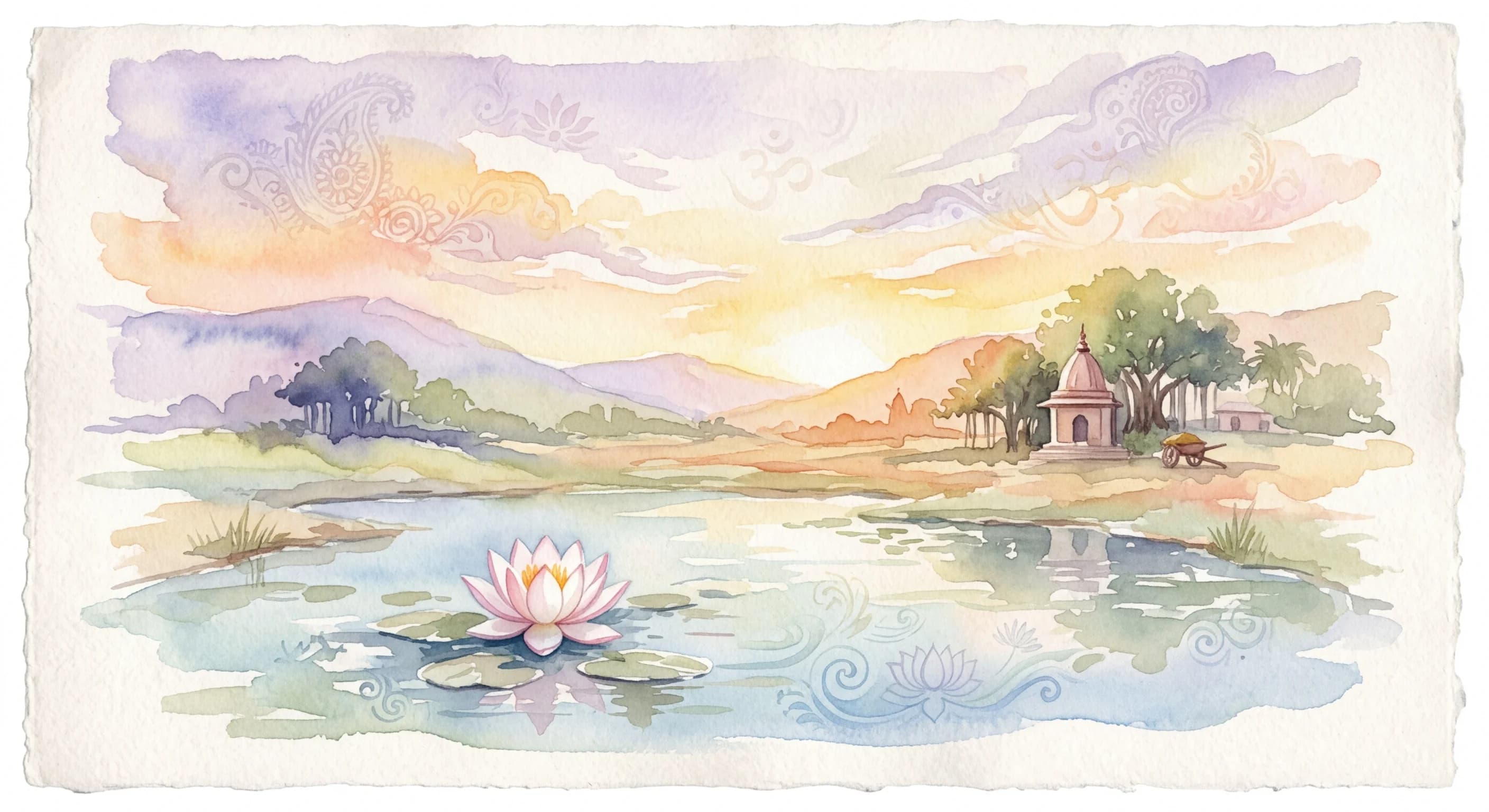
After an hour of deep meditation, her mind felt like a still, clear lake reflecting the sky. Thoughts arose and dissolved without disturbing the profound peace. This quiet clarity, free from agitation, was a pure state of sattva.
Sattvic Kitchen
She carefully prepared a meal of fresh, organic vegetables and whole grains, cooked with mindfulness and light spices. The act itself was peaceful, and consuming the food left her feeling energized yet calm, nourishing both body and mind in a sattvic way.
The Deeper Meaning
Sattva reveals a profound understanding of consciousness as dynamic and mutable, influenced by our actions, thoughts, and even diet. It posits that true liberation and lasting happiness are found not in external pursuits but in cultivating an internal state of purity and balance. This worldview encourages self-awareness and intentional living, guiding individuals towards a life aligned with higher spiritual truths and inner harmony.
Did You Know?
In Ayurveda, the ancient Indian system of medicine, a 'sattvic diet' is prescribed not just for physical health but also to promote mental clarity and spiritual growth, highlighting the interconnectedness of body and mind.
How It's Used
Sattva is a core concept in Indian philosophies like Samkhya and Yoga, used to describe a state of mind, a quality of matter, or a characteristic of a person. It's often invoked in discussions about diet (sattvic food), lifestyle choices, and spiritual practices aimed at cultivating inner harmony and clarity.