U.
HomeRegionsLanguagesEmotionsCollections
Find Your Word

“The limits of my language mean the limits of my world.”

— Ludwig Wittgenstein, Philosopher

Untranslatable

A curated collection of the world's most beautiful expressions—words that remind us language is humanity's greatest invention.

  • Home
  • Collections
  • Regions
  • Countries
  • Emotions
  • Tags
  • Contexts
  • Finder
  • Europe
  • Asia
  • Americas
  • Africa
  • Middle East
  • About
  • Contact
  • Privacy Policy
  • Terms of Service

2026 © Untranslatable. All rights reserved.

    /
    /
    1. Home
    2. /
    3. Asia
    4. /
    5. Sukha
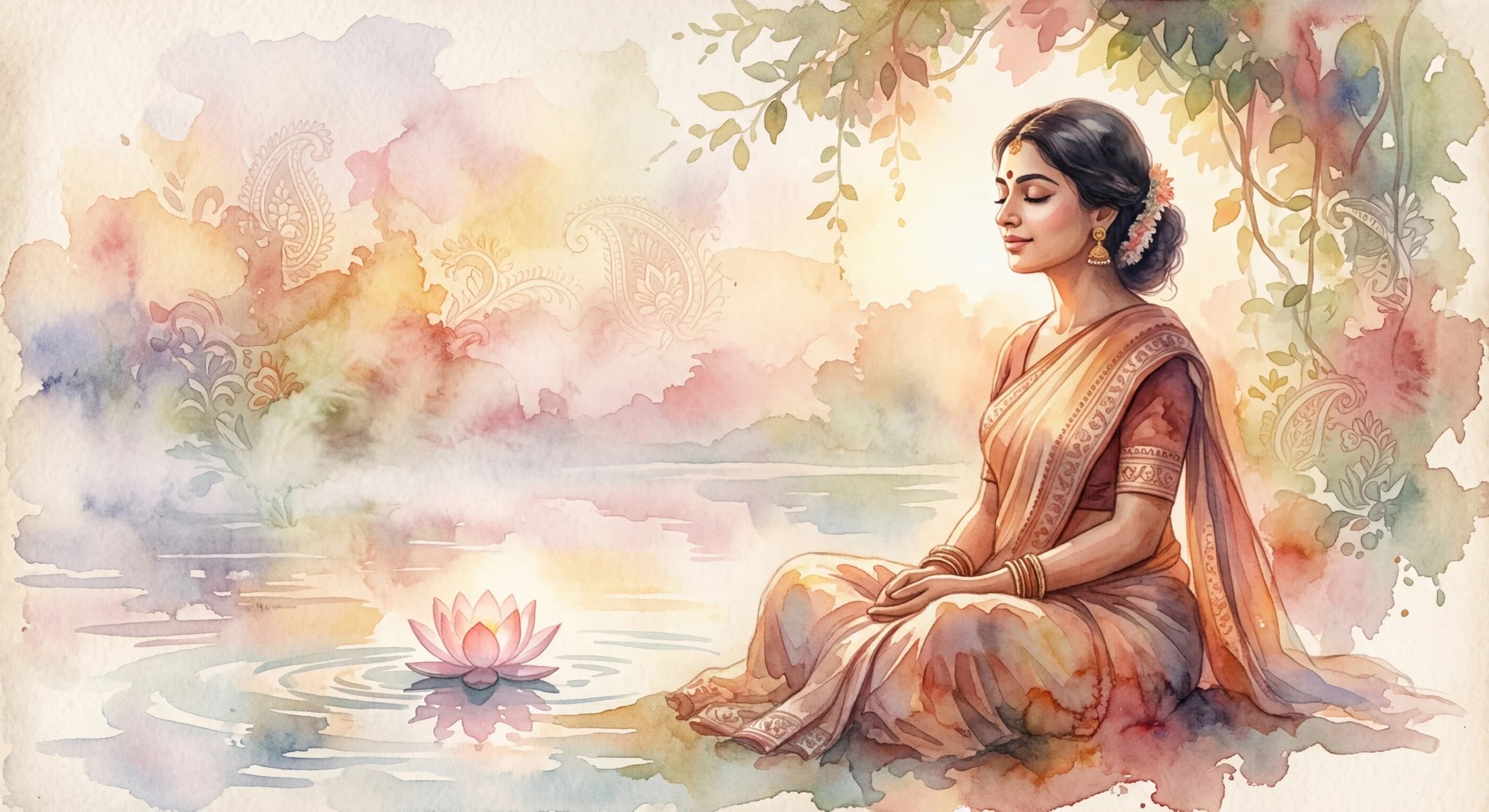
    Artistic representation of Sukha
    Sanskrit•
    🇮🇳India🇳🇵Nepal

    Sukha

    /SOOK-haa/

    Meaning

    Sukha transcends mere fleeting happiness; it embodies a profound, enduring state of inner peace, well-being, and genuine contentment. This deep, abiding joy is not contingent on external circumstances but rather springs from an internal flourishing, meticulously cultivated through spiritual practice, mindfulness, and a life lived in harmony with dharma. It signifies a holistic sense of wholeness and tranquility that permeates one's entire existence, offering a lasting sense of fulfillment and liberation from suffering.

    Literal Translation

    happiness, joy, pleasure, ease, comfort, bliss

    The Story Behind the Word

    In Indian philosophy, particularly within Hinduism, Buddhism, and Jainism, Sukha is a foundational concept tied intimately to the ultimate goals of human existence. Its counterpoint, 'Dukha' (suffering), forms the very bedrock of many spiritual traditions, where the path to liberation or enlightenment is seen as the journey from Dukha to Sukha. The Bhagavad Gita, for instance, speaks of the 'sukha' that comes from self-realization. This word's prominence reveals a culture deeply invested in understanding the nature of happiness, not as a superficial emotion, but as an achievable, sustainable state of being. It underscores a worldview that prioritizes inner cultivation and ethical living as the true sources of lasting joy, suggesting that genuine contentment is an internal locus of control rather than an external acquisition.

    Experience It

    Meditative Morning

    After an hour of quiet meditation, Radha felt a profound sense of Sukha envelop her. The day's worries receded, replaced by a deep calm and an unshakeable connection to her inner self, ready to face any challenge with equanimity.

    Simple Life's Joy

    Despite their modest means, the elderly couple radiated Sukha. Their joy stemmed not from possessions, but from their loving companionship, their devotion to their community, and the simple rhythm of their virtuous lives, untouched by material desires.

    The Deeper Meaning

    Sukha reveals a profound philosophical insight: true happiness is not externally granted but internally cultivated. It's a state achieved through conscious effort, self-awareness, and ethical conduct, emphasizing that human flourishing is a journey of inner transformation rather than a pursuit of fleeting pleasures. This perspective encourages individuals to seek lasting contentment by aligning their lives with universal principles of righteousness and spiritual growth.

    Did You Know?

    The word 'Sukha' is often etymologically linked to 'su' (good) and 'kha' (space), metaphorically referring to a good or comfortable space for an axle to move, symbolizing ease and smooth functioning.

    How It's Used

    Used in spiritual, philosophical, and everyday contexts to describe a state of happiness, well-being, or ease.

    Emotions
    contentment,joy,peace,serenity
    Contexts
    meditation,relaxation,solitude
    🇮🇳India🇳🇵Nepal

    by Anya Petrova·Written Mar 10, 2026·Updated Apr 3, 2026

    Related Words

    Explore more
    HyggeDanish

    Hygge is more than mere coziness; it's a holistic embrace of comfort, warmth, and belonging that nourishes the soul. It describes the intentional creation of an intimate atmosphere where simple pleasures, genuine connection, and mindful presence converge, fostering a profound sense of contentment and well-being. It's about finding joy and peace in the small, everyday moments, often shared with loved ones.

    Dolce far nienteItalian

    Dolce far niente captures the profound joy and effortless pleasure derived from simply existing without obligation or purpose. It's the art of savoring moments of pure, unadulterated idleness – lying in the sun, watching the clouds drift, or enjoying a leisurely coffee – not as a break from work, but as a valuable state in itself. This 'sweetness of doing nothing' is a conscious embrace of stillness and contentment, allowing the soul to breathe and the senses to fully engage with the present.

    Wabi-sabiJapanese

    Wabi-sabi is the profound appreciation for the ephemeral, the imperfect, and the incomplete aspects of existence. It is about discovering beauty in the subtle textures of age, the unique character of flaws, and the gentle decay that marks the passage of time. This philosophy encourages a quiet acceptance of impermanence and a mindful connection to the natural world, finding elegance in simplicity and authenticity.

    IkigaiJapanese

    Ikigai is more than just a reason to get out of bed; it's a deeply personal and evolving sense of purpose that brings genuine fulfillment and joy to one's life. It represents the sweet spot where your passions, talents, needs of the world, and what you can be paid for beautifully converge. Discovering your ikigai often leads to a life lived with intentionality, resilience, and a profound connection to one's contributions. It's the intrinsic motivation that fuels a meaningful existence, regardless of external circumstances.

    Featured in 1 collection

    🧘‍♀️The Art of Rest