U.
HomeRegionsLanguagesEmotionsCollections
Find Your Word

“The limits of my language mean the limits of my world.”

— Ludwig Wittgenstein, Philosopher

Untranslatable

A curated collection of the world's most beautiful expressions—words that remind us language is humanity's greatest invention.

  • Home
  • Collections
  • Regions
  • Countries
  • Emotions
  • Tags
  • Contexts
  • Finder
  • Europe
  • Asia
  • Americas
  • Africa
  • Middle East
  • About
  • Contact
  • Privacy Policy
  • Terms of Service

2026 © Untranslatable. All rights reserved.

    /
    /
    1. Home
    2. /
    3. Asia
    4. /
    5. Upeksha
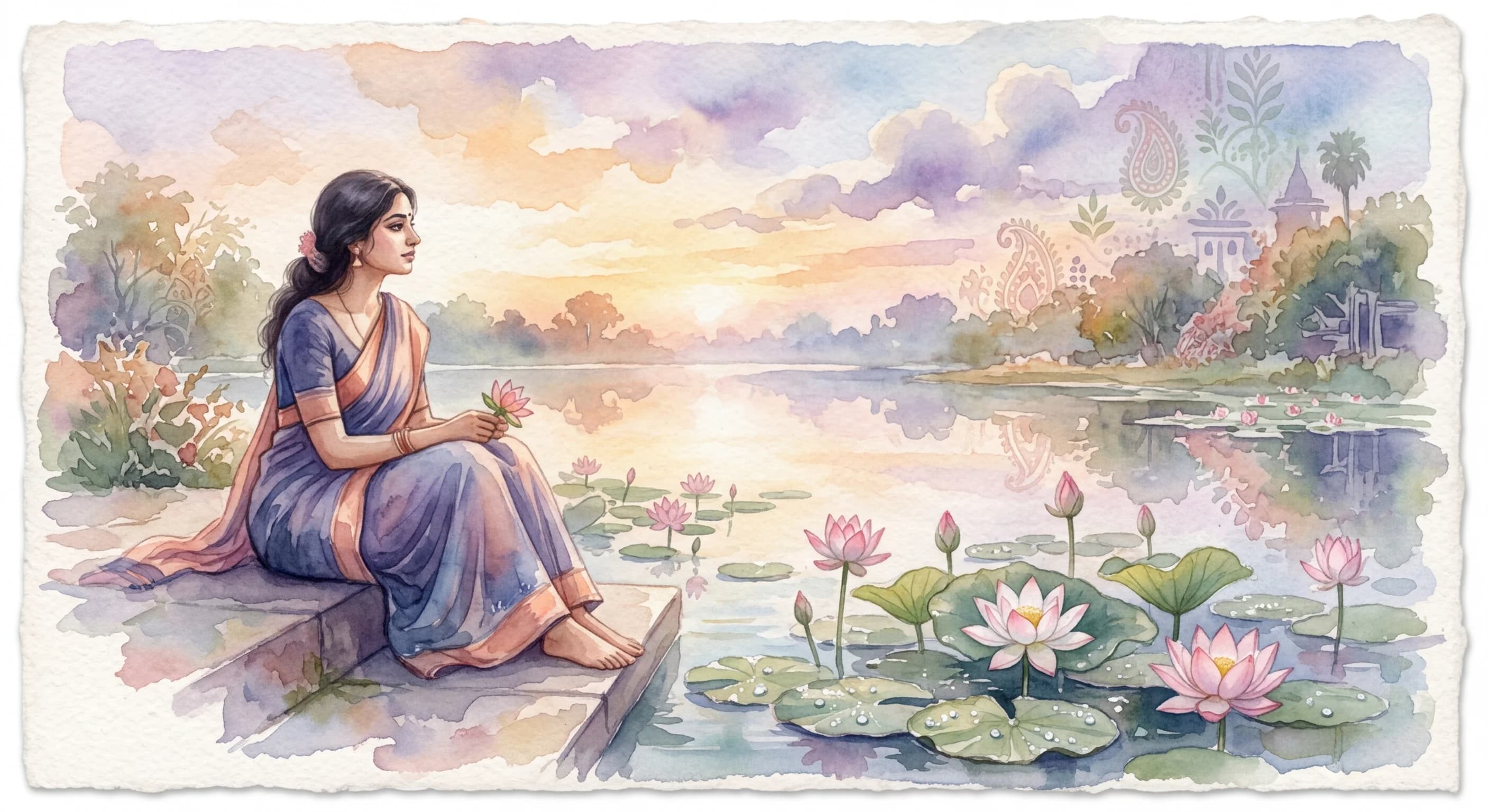
    Artistic representation of Upeksha
    Sanskrit•
    🇧🇹Bhutan🇰🇭Cambodia🇨🇳China🇮🇳India🇱🇦Laos🇲🇲Myanmar🇳🇵Nepal🇱🇰Sri Lanka🇹🇭Thailand

    Upeksha

    /oo-PEK-shuh/

    Meaning

    Upeksha is a profound state of mind, often translated as equanimity, where one observes the world with impartial, serene wisdom. It's the ability to perceive reality without the distorting lenses of personal preference, aversion, or attachment, understanding the impermanent and interconnected nature of all phenomena. This isn't cold apathy, but rather a deep, compassionate understanding that fosters a balanced and non-judgmental response to life's inevitable flux, allowing for clarity and skillful action amidst chaos.

    Literal Translation

    Indifference, disregard, overlooking

    The Story Behind the Word

    Upeksha is a cornerstone of Buddhist philosophy, particularly as one of the 'Four Immeasurable Minds' or 'Brahmaviharas' (divine abodes), alongside loving-kindness (metta), compassion (karuna), and empathetic joy (mudita). Its inclusion highlights the Indian spiritual traditions' emphasis on mental cultivation as a path to liberation. The concept exists because ancient Indian thinkers recognized the suffering caused by attachment and reactivity. It reflects a worldview where inner peace is achievable through disciplined observation and a deep understanding of existence's fundamental truths, offering a radical alternative to a life dominated by emotional swings and biased perceptions. It reveals a culture deeply invested in the ethics of mind and the pursuit of ultimate freedom.

    Experience It

    Observing a Heated Debate

    A political discussion erupts at a family gathering, with strong opinions clashing. Instead of getting drawn into the emotional fray or taking sides, one person listens attentively to all perspectives, recognizing the underlying human needs and fears without judgment, maintaining an inner calm.

    Facing Personal Setbacks

    After months of hard work, a significant project fails. Rather than succumbing to despair or anger, an individual acknowledges the outcome, learns from the experience, and moves forward with a clear mind, understanding that success and failure are transient aspects of the journey.

    The Deeper Meaning

    Upeksha underpins a worldview where true freedom comes from non-attachment and a clear-sighted acceptance of reality. It posits that suffering arises not from external events themselves, but from our reactive clinging or aversion to them. Cultivating Upeksha aligns one with the natural flow of existence, fostering a deep inner stability and a compassionate, yet objective, engagement with the world.

    Did You Know?

    While often translated as equanimity, Upeksha is sometimes interpreted as 'looking over' or 'overlooking,' implying a conscious choice to not get entangled in the drama of life.

    How It's Used

    Upeksha is primarily used in philosophical and spiritual contexts, particularly within Buddhist traditions. It is discussed in teachings on meditation, ethics, and the path to enlightenment, guiding practitioners towards a more balanced and objective understanding of reality.

    Emotions
    acceptance,gratitude,peace,serenity
    Contexts
    meditation,philosophy,spirituality
    🇧🇹Bhutan🇰🇭Cambodia🇨🇳China🇮🇳India🇱🇦Laos🇲🇲Myanmar🇳🇵Nepal🇱🇰Sri Lanka🇹🇭Thailand

    by Anya Petrova·Written Mar 10, 2026·Updated Apr 3, 2026

    Related Words

    Explore more
    Dolce far nienteItalian

    Dolce far niente captures the profound joy and effortless pleasure derived from simply existing without obligation or purpose. It's the art of savoring moments of pure, unadulterated idleness – lying in the sun, watching the clouds drift, or enjoying a leisurely coffee – not as a break from work, but as a valuable state in itself. This 'sweetness of doing nothing' is a conscious embrace of stillness and contentment, allowing the soul to breathe and the senses to fully engage with the present.

    Wabi-sabiJapanese

    Wabi-sabi is the profound appreciation for the ephemeral, the imperfect, and the incomplete aspects of existence. It is about discovering beauty in the subtle textures of age, the unique character of flaws, and the gentle decay that marks the passage of time. This philosophy encourages a quiet acceptance of impermanence and a mindful connection to the natural world, finding elegance in simplicity and authenticity.

    IkigaiJapanese

    Ikigai is more than just a reason to get out of bed; it's a deeply personal and evolving sense of purpose that brings genuine fulfillment and joy to one's life. It represents the sweet spot where your passions, talents, needs of the world, and what you can be paid for beautifully converge. Discovering your ikigai often leads to a life lived with intentionality, resilience, and a profound connection to one's contributions. It's the intrinsic motivation that fuels a meaningful existence, regardless of external circumstances.

    NunchiKorean

    Nunchi is the sophisticated, almost telepathic, ability to instantly grasp the unspoken dynamics of any social situation, anticipating others' thoughts and feelings, and then responding with impeccable grace and timing. It's an acute form of social intuition, allowing one to navigate complex interpersonal landscapes by reading subtle cues like body language, tone, and context. Possessing good nunchi means effortlessly understanding the underlying emotional currents and adjusting one's behavior to maintain harmony and effectiveness, often without a single word exchanged.