U.
HomeRegionsLanguagesEmotionsCollections
Find Your Word

“The limits of my language mean the limits of my world.”

— Ludwig Wittgenstein, Philosopher

Untranslatable

A curated collection of the world's most beautiful expressions—words that remind us language is humanity's greatest invention.

  • Home
  • Collections
  • Regions
  • Countries
  • Emotions
  • Tags
  • Contexts
  • Finder
  • Europe
  • Asia
  • Americas
  • Africa
  • Middle East
  • About
  • Contact
  • Privacy Policy
  • Terms of Service

2026 © Untranslatable. All rights reserved.

    /
    /
    1. Home
    2. /
    3. Asia
    4. /
    5. Dama
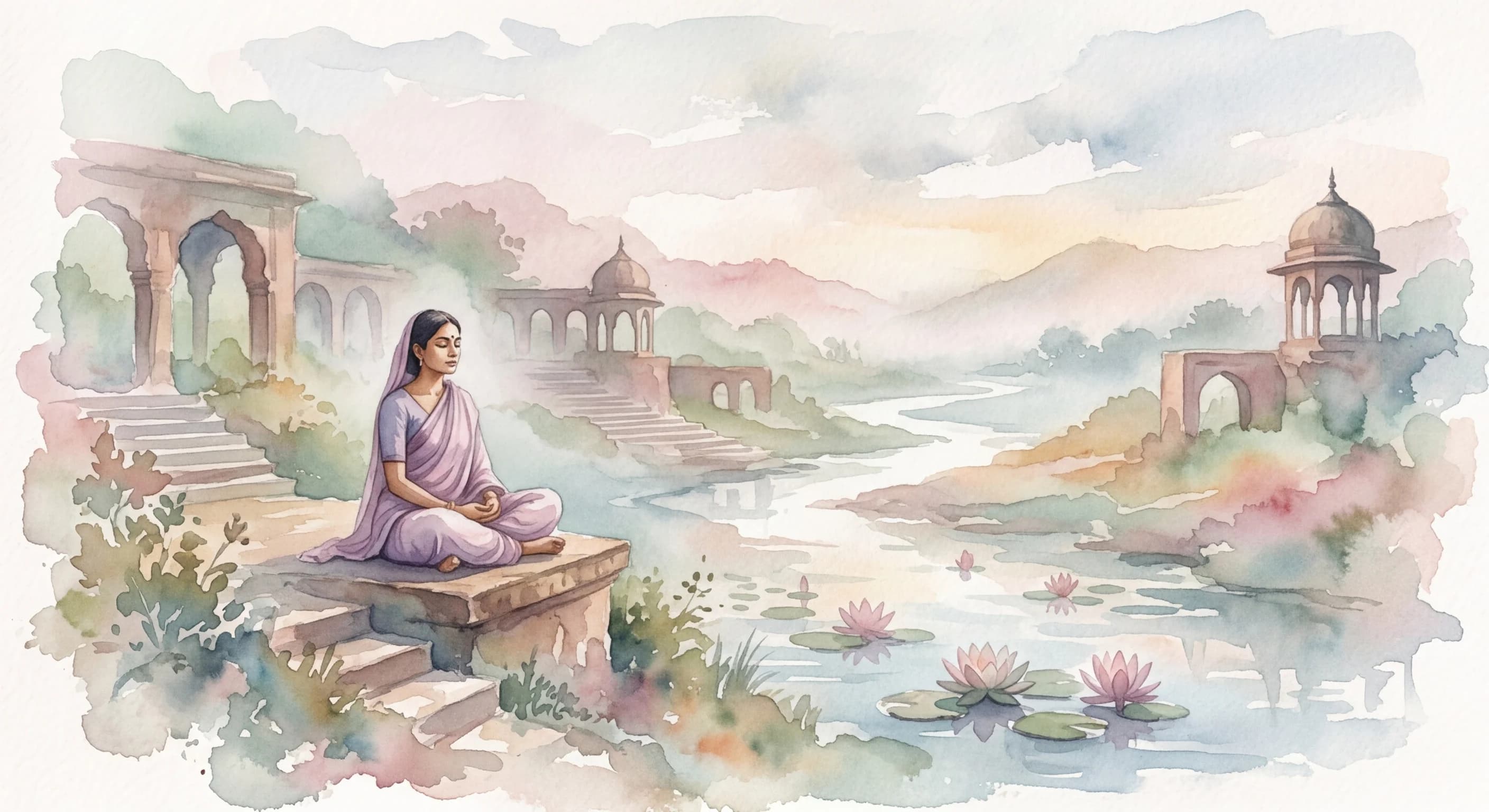
    Artistic representation of Dama
    Sanskrit•
    🇮🇳India

    Dama

    /DAH-mah/

    Meaning

    Dama, from Sanskrit, signifies the profound practice of mastering one's own senses and mind, transcending mere self-control to embrace a deep inner discipline. It's a conscious, sustained endeavor to rein in volatile desires, impulses, and the ego's turbulent demands, not through suppression, but through insightful governance. This spiritual self-mastery is considered paramount for achieving inner tranquility, mental clarity, and ultimately, liberation from the cycles of attachment and suffering. It's the art of becoming the charioteer of one's own inner horses, guiding them towards a higher purpose.

    Literal Translation

    control, restraint, self-mastery

    The Story Behind the Word

    The concept of Dama is foundational to ancient Indian spiritual and philosophical thought, particularly within Hinduism, Buddhism, and Jainism. It arose from a worldview that perceives human existence as often driven by unbridled sensory gratification and mental agitation, leading to suffering (dukkha). Dama provides the ethical and practical framework to counter this, emphasizing that true freedom comes not from external circumstances, but from internal command. It reflects a deep societal value placed on introspection, self-improvement, and the pursuit of spiritual truths over material indulgence. This word exists because these cultures recognized the inherent human struggle with temptation and impulsivity, offering a path to cultivate virtue and wisdom necessary for spiritual evolution.

    Experience It

    Meditator's Silent Resolve

    During a long meditation retreat, a practitioner feels an intense craving for their favorite food. Instead of succumbing, they acknowledge the sensation, observe its fleeting nature, and gently redirect their focus back to their breath, embodying Dama.

    Warrior's Calm Focus

    A seasoned warrior stands on the battlefield, surrounded by chaos and fear. Despite the adrenaline and the urge to panic, they maintain a clear, steady mind, making strategic decisions with precision, demonstrating Dama over their instincts.

    The Deeper Meaning

    Dama reveals a philosophical perspective where human beings are not merely products of their desires, but possess the inherent capacity for self-transcendence. It posits that true agency and happiness stem from inner sovereignty rather than external control or gratification. This worldview champions the idea that by harmonizing one's internal landscape, an individual can achieve a profound state of peace and contribute positively to the cosmic order, emphasizing self-responsibility as a path to spiritual realization.

    Did You Know?

    Did you know Dama is one of the 'six virtues' (Shatsampat) in Vedanta philosophy, considered essential prerequisites for the serious student of spiritual knowledge?

    How It's Used

    This term is primarily used in philosophical, spiritual, and yogic contexts to describe the practice of self-control and the discipline of the mind and senses. It is a key ethical principle in Hinduism, Buddhism, and Jainism.

    Emotions
    peace,resilience,serenity
    Contexts
    meditation,personal growth,philosophy,spirituality
    🇮🇳India

    by Anya Petrova·Written Mar 10, 2026·Updated Apr 3, 2026

    Related Words

    Explore more
    Dolce far nienteItalian

    Dolce far niente captures the profound joy and effortless pleasure derived from simply existing without obligation or purpose. It's the art of savoring moments of pure, unadulterated idleness – lying in the sun, watching the clouds drift, or enjoying a leisurely coffee – not as a break from work, but as a valuable state in itself. This 'sweetness of doing nothing' is a conscious embrace of stillness and contentment, allowing the soul to breathe and the senses to fully engage with the present.

    Wabi-sabiJapanese

    Wabi-sabi is the profound appreciation for the ephemeral, the imperfect, and the incomplete aspects of existence. It is about discovering beauty in the subtle textures of age, the unique character of flaws, and the gentle decay that marks the passage of time. This philosophy encourages a quiet acceptance of impermanence and a mindful connection to the natural world, finding elegance in simplicity and authenticity.

    IkigaiJapanese

    Ikigai is more than just a reason to get out of bed; it's a deeply personal and evolving sense of purpose that brings genuine fulfillment and joy to one's life. It represents the sweet spot where your passions, talents, needs of the world, and what you can be paid for beautifully converge. Discovering your ikigai often leads to a life lived with intentionality, resilience, and a profound connection to one's contributions. It's the intrinsic motivation that fuels a meaningful existence, regardless of external circumstances.

    NunchiKorean

    Nunchi is the sophisticated, almost telepathic, ability to instantly grasp the unspoken dynamics of any social situation, anticipating others' thoughts and feelings, and then responding with impeccable grace and timing. It's an acute form of social intuition, allowing one to navigate complex interpersonal landscapes by reading subtle cues like body language, tone, and context. Possessing good nunchi means effortlessly understanding the underlying emotional currents and adjusting one's behavior to maintain harmony and effectiveness, often without a single word exchanged.