U.
HomeRegionsLanguagesEmotionsCollections
Find Your Word

“The limits of my language mean the limits of my world.”

— Ludwig Wittgenstein, Philosopher

Untranslatable

A curated collection of the world's most beautiful expressions—words that remind us language is humanity's greatest invention.

  • Home
  • Collections
  • Regions
  • Countries
  • Emotions
  • Tags
  • Contexts
  • Finder
  • Europe
  • Asia
  • Americas
  • Africa
  • Middle East
  • About
  • Contact
  • Privacy Policy
  • Terms of Service

2026 © Untranslatable. All rights reserved.

    /
    /
    1. Home
    2. /
    3. Asia
    4. /
    5. Tawakkul
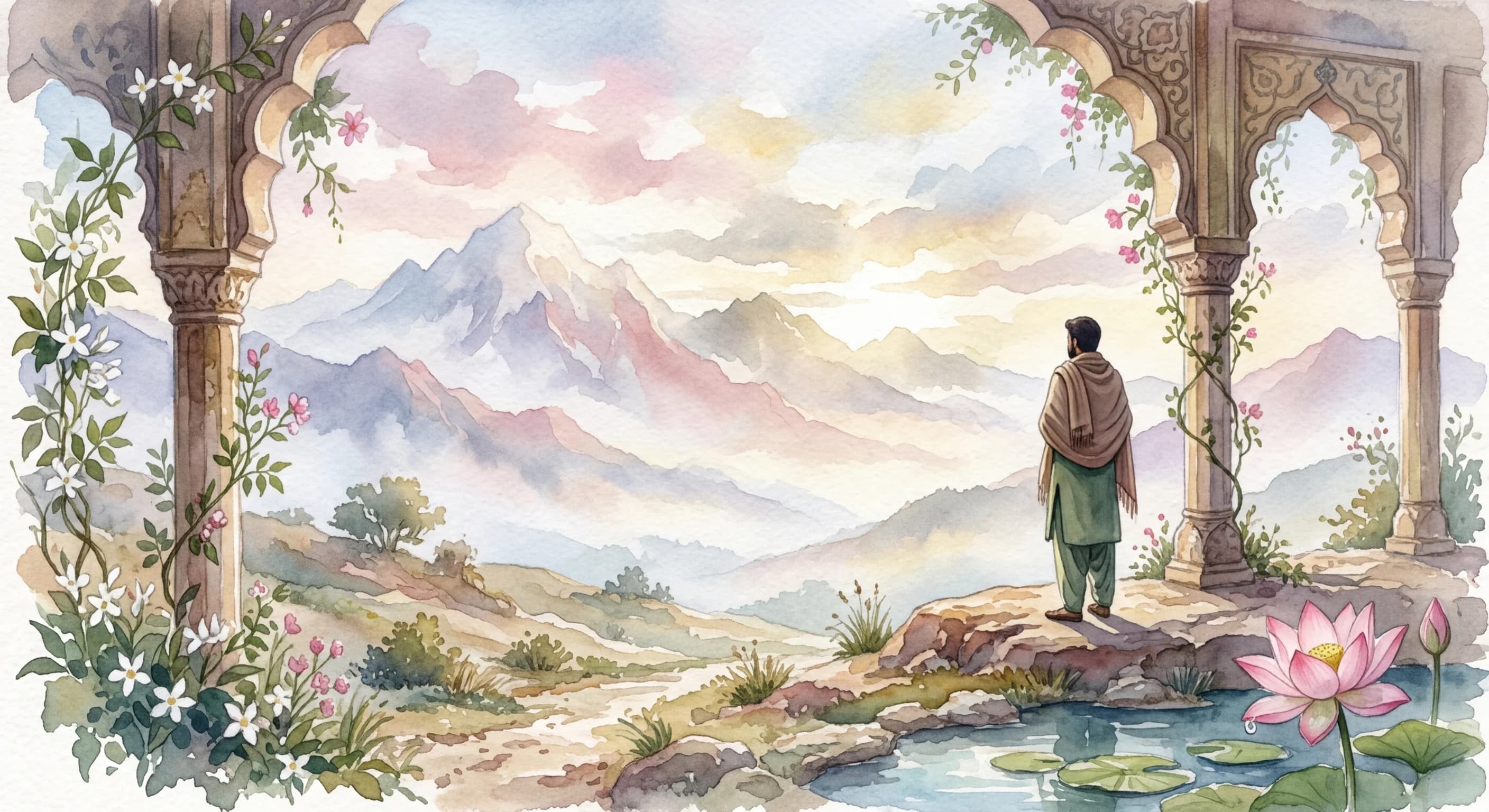
    Artistic representation of Tawakkul
    Arabic•
    🇪🇬Egypt🇮🇳India🇮🇩Indonesia🇮🇷Iran🇲🇾Malaysia🇵🇰Pakistan🇸🇦Saudi Arabia🇹🇷Turkey

    Tawakkul

    /ta-WUK-kool/

    Meaning

    Tawakkul is an active, profound spiritual state in Islam where one places complete, unwavering trust in God's divine plan and wisdom, even while diligently striving with all one's might. It's not passive resignation, but a dynamic surrender of the outcome to the Creator after exhausting all human effort. This deep reliance instills a serene inner peace, freeing the heart from anxiety and despair, and fostering resilience in the face of life's inevitable trials, knowing that every result is ultimately in God's hands.

    Literal Translation

    reliance on God

    The Story Behind the Word

    In Islamic cultures, particularly in Pakistan, Tawakkul is a cornerstone of daily life and spirituality, reflecting a worldview where divine providence is central. This concept emerged from the teachings of the Quran and the Sunnah (Prophet Muhammad's traditions), emphasizing that while humans are endowed with free will and the capacity for action, ultimate power and knowledge rest with Allah. It reveals a culture that values patience, perseverance, and a deep connection to the divine, offering a framework for coping with uncertainty and adversity. The emphasis on 'active surrender' rather than mere passivity distinguishes it, promoting a balanced approach to worldly endeavors and spiritual devotion. It shapes perspectives on success, failure, and destiny, encouraging humility and gratitude.

    Experience It

    Facing a Job Interview

    A young graduate meticulously prepares for a crucial job interview, researching the company, practicing answers, and dressing impeccably. As she walks into the interview room, she takes a deep breath, whispering a prayer, and letting go of her anxieties, embracing tawakkul that she has done her best and the outcome is in God's hands.

    Healing from Illness

    A patient diligently follows their doctor's instructions, takes all prescribed medications, and adheres to a healthy lifestyle. Despite their efforts, recovery is slow. Instead of falling into despair, they practice tawakkul, maintaining hope, accepting the journey, and trusting in God's timing and wisdom for their healing.

    The Deeper Meaning

    Tawakkul embodies a profound philosophical perspective on human agency versus divine sovereignty. It posits that true freedom and peace come not from absolute control over one's destiny, but from recognizing the limits of human power and aligning one's will with a higher, divine will. This worldview cultivates humility, gratitude, and an enduring sense of purpose, transforming adversity into opportunities for spiritual growth and deepening faith.

    Did You Know?

    The concept of tawakkul is beautifully illustrated by a Hadith (saying of the Prophet Muhammad) where he advised a man to 'tie your camel and then put your trust in Allah.'

    How It's Used

    Tawakkul is invoked when facing challenges, making important decisions, or during times of uncertainty, reminding individuals to have faith in God's plan and timing. It is a fundamental aspect of Islamic spirituality and is often discussed in religious and philosophical contexts.

    Emotions
    gratitude,hope,peace,serenity
    Contexts
    celebration,solitude,travel,work
    🇪🇬Egypt🇮🇳India🇮🇩Indonesia🇮🇷Iran🇲🇾Malaysia🇵🇰Pakistan🇸🇦Saudi Arabia🇹🇷Turkey

    by Anya Petrova·Written Mar 10, 2026·Updated Apr 3, 2026

    Related Words

    Explore more
    Dolce far nienteItalian

    Dolce far niente captures the profound joy and effortless pleasure derived from simply existing without obligation or purpose. It's the art of savoring moments of pure, unadulterated idleness – lying in the sun, watching the clouds drift, or enjoying a leisurely coffee – not as a break from work, but as a valuable state in itself. This 'sweetness of doing nothing' is a conscious embrace of stillness and contentment, allowing the soul to breathe and the senses to fully engage with the present.

    Wabi-sabiJapanese

    Wabi-sabi is the profound appreciation for the ephemeral, the imperfect, and the incomplete aspects of existence. It is about discovering beauty in the subtle textures of age, the unique character of flaws, and the gentle decay that marks the passage of time. This philosophy encourages a quiet acceptance of impermanence and a mindful connection to the natural world, finding elegance in simplicity and authenticity.

    IkigaiJapanese

    Ikigai is more than just a reason to get out of bed; it's a deeply personal and evolving sense of purpose that brings genuine fulfillment and joy to one's life. It represents the sweet spot where your passions, talents, needs of the world, and what you can be paid for beautifully converge. Discovering your ikigai often leads to a life lived with intentionality, resilience, and a profound connection to one's contributions. It's the intrinsic motivation that fuels a meaningful existence, regardless of external circumstances.

    NunchiKorean

    Nunchi is the sophisticated, almost telepathic, ability to instantly grasp the unspoken dynamics of any social situation, anticipating others' thoughts and feelings, and then responding with impeccable grace and timing. It's an acute form of social intuition, allowing one to navigate complex interpersonal landscapes by reading subtle cues like body language, tone, and context. Possessing good nunchi means effortlessly understanding the underlying emotional currents and adjusting one's behavior to maintain harmony and effectiveness, often without a single word exchanged.