U.
HomeRegionsLanguagesEmotionsCollections
Find Your Word

“The limits of my language mean the limits of my world.”

— Ludwig Wittgenstein, Philosopher

Untranslatable

A curated collection of the world's most beautiful expressions—words that remind us language is humanity's greatest invention.

  • Home
  • Collections
  • Regions
  • Countries
  • Emotions
  • Tags
  • Contexts
  • Finder
  • Europe
  • Asia
  • Americas
  • Africa
  • Middle East
  • About
  • Contact
  • Privacy Policy
  • Terms of Service

2026 © Untranslatable. All rights reserved.

    /
    /
    1. Home
    2. /
    3. Asia
    4. /
    5. ช่างมัน (chang man)
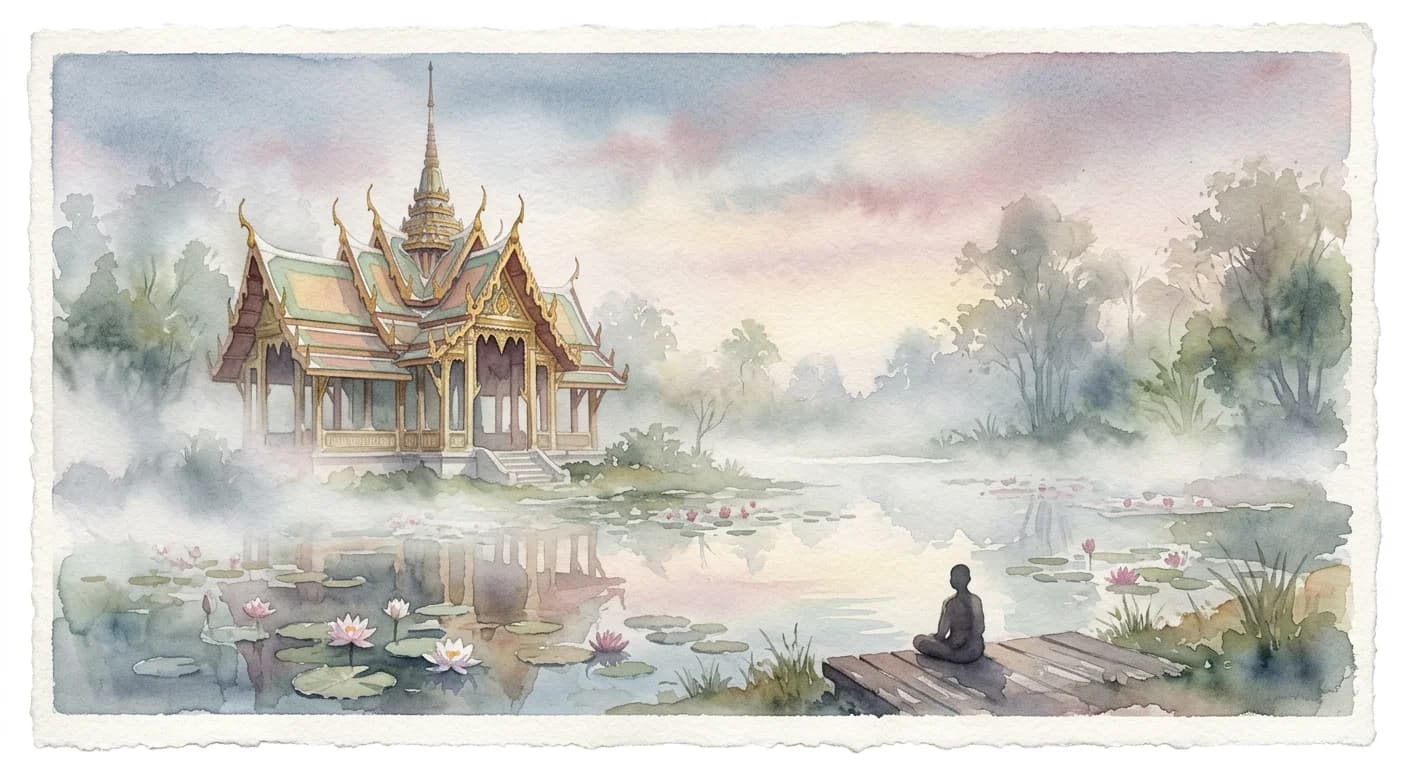
    Artistic representation of ช่างมัน (chang man)
    Thai•
    🇹🇭Thailand

    ช่างมัน (chang man)

    /CHAHNG mahn/

    Meaning

    This Thai phrase, "ช่างมัน (chang man)," transcends a simple "let it be" or "never mind." It embodies a profound, almost spiritual, resignation to circumstances beyond one's control, serving as a cultural balm for minor annoyances or even significant setbacks. It's a conscious decision to release the emotional burden, prioritizing inner peace and emotional equilibrium over dwelling on frustration or the desire to fix every imperfection. This phrase is a testament to the wisdom of accepting the flow of life, even when it's not ideal.

    Literal Translation

    Let it be / Never mind

    The Story Behind the Word

    The prevalence of "ช่างมัน (chang man)" is deeply rooted in Theravada Buddhist philosophy, which emphasizes impermanence (anicca) and non-attachment (upadana). This worldview encourages individuals to recognize that suffering often arises from clinging to desires or resisting change. By uttering "ช่างมัน," one actively practices a form of detachment, acknowledging that some things are simply not worth expending mental or emotional energy on. It reflects a cultural value placed on maintaining a calm demeanor and social harmony, where outward displays of frustration are often avoided. This acceptance fosters resilience and allows individuals to navigate life's inevitable challenges with a sense of equanimity, rather than being consumed by them. It's a mechanism for preserving one's 'jai yen' (cool heart), a highly valued trait in Thai society.

    Experience It

    Spilled Coffee Catastrophe

    A student accidentally knocks over their coffee, staining their notes just before an exam. Instead of panicking, they sigh, grab a tissue, and say, "ช่างมัน." They quickly clean up, realizing stressing won't change the spill, only distract them from studying.

    Traffic Jam Frustration

    Stuck in Bangkok's notorious traffic, a driver glances at the clock, knowing they'll be late. After an initial grumble, they lean back, put on some music, and mutter, "ช่างมัน." They accept the unchangeable situation, choosing not to let it ruin their mood.

    The Deeper Meaning

    This phrase encapsulates a core tenet of Thai philosophy: the pursuit of 'jai yen' (cool heart) and 'sabai' (comfort/well-being). It reflects a wisdom that understands constant striving or worrying is counterproductive to inner peace. By choosing to let go, one embraces a form of mindful acceptance, recognizing the limits of control and finding freedom in releasing attachment to outcomes.

    Did You Know?

    While often about minor annoyances, "ช่างมัน" can surprisingly be applied to more serious matters, demonstrating a deep-seated cultural resilience and ability to move past hardship.

    How It's Used

    Used to express that something is not worth worrying about, or to indicate a decision to stop caring about or trying to fix a problem.

    Emotions
    acceptance,peace
    Contexts
    daily life,relaxation,work
    🇹🇭Thailand

    by Dr. Kenji Tanaka·Written Mar 10, 2026·Updated Apr 3, 2026

    Related Words

    Explore more
    Dolce far nienteItalian

    Dolce far niente captures the profound joy and effortless pleasure derived from simply existing without obligation or purpose. It's the art of savoring moments of pure, unadulterated idleness – lying in the sun, watching the clouds drift, or enjoying a leisurely coffee – not as a break from work, but as a valuable state in itself. This 'sweetness of doing nothing' is a conscious embrace of stillness and contentment, allowing the soul to breathe and the senses to fully engage with the present.

    Wabi-sabiJapanese

    Wabi-sabi is the profound appreciation for the ephemeral, the imperfect, and the incomplete aspects of existence. It is about discovering beauty in the subtle textures of age, the unique character of flaws, and the gentle decay that marks the passage of time. This philosophy encourages a quiet acceptance of impermanence and a mindful connection to the natural world, finding elegance in simplicity and authenticity.

    IkigaiJapanese

    Ikigai is more than just a reason to get out of bed; it's a deeply personal and evolving sense of purpose that brings genuine fulfillment and joy to one's life. It represents the sweet spot where your passions, talents, needs of the world, and what you can be paid for beautifully converge. Discovering your ikigai often leads to a life lived with intentionality, resilience, and a profound connection to one's contributions. It's the intrinsic motivation that fuels a meaningful existence, regardless of external circumstances.

    NunchiKorean

    Nunchi is the sophisticated, almost telepathic, ability to instantly grasp the unspoken dynamics of any social situation, anticipating others' thoughts and feelings, and then responding with impeccable grace and timing. It's an acute form of social intuition, allowing one to navigate complex interpersonal landscapes by reading subtle cues like body language, tone, and context. Possessing good nunchi means effortlessly understanding the underlying emotional currents and adjusting one's behavior to maintain harmony and effectiveness, often without a single word exchanged.