U.
HomeRegionsLanguagesEmotionsCollections
Find Your Word

“The limits of my language mean the limits of my world.”

— Ludwig Wittgenstein, Philosopher

Untranslatable

A curated collection of the world's most beautiful expressions—words that remind us language is humanity's greatest invention.

  • Home
  • Collections
  • Regions
  • Countries
  • Emotions
  • Tags
  • Contexts
  • Finder
  • Europe
  • Asia
  • Americas
  • Africa
  • Middle East
  • About
  • Contact
  • Privacy Policy
  • Terms of Service

2026 © Untranslatable. All rights reserved.

    /
    /
    1. Home
    2. /
    3. Asia
    4. /
    5. Thanh tao
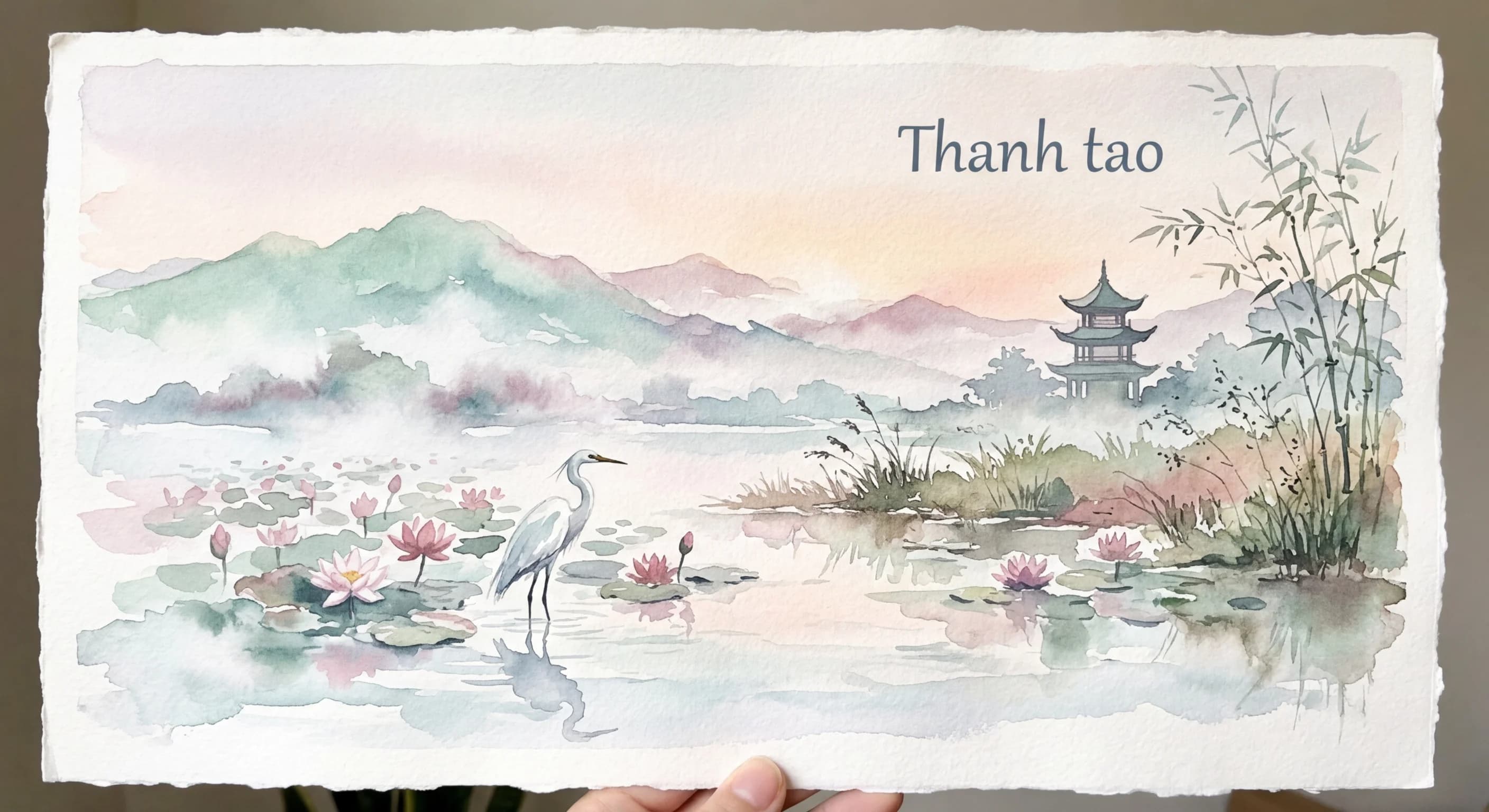
    Artistic representation of Thanh tao
    Vietnamese•
    🇻🇳Vietnam

    Thanh tao

    /TANH TOH/

    Meaning

    Thanh tao encapsulates a serene, understated elegance that transcends mere aesthetics, signifying an inner purity and a cultivated simplicity. It describes a way of being marked by effortless grace, free from any hint of pretension or vulgarity, reflecting a refined taste that appreciates the essential and the natural. This quality manifests as a quiet dignity and cultured sensibility, where sophistication lies in subtlety and harmony rather than overt display. To be thanh tao is to possess an innate charm and an unforced poise that resonates deeply within Vietnamese aesthetics and interpersonal conduct.

    Literal Translation

    Pure/Clear elegance

    The Story Behind the Word

    The concept of thanh tao is deeply rooted in Vietnamese philosophical traditions, particularly influenced by Confucianism, Buddhism, and Taoism, which emphasize harmony, modesty, and an appreciation for nature's simplicity. It reflects a historical aversion to ostentation, stemming from centuries of resilience and a focus on inner cultivation amidst external challenges. This word exists because Vietnamese culture values character over superficiality, seeing true beauty and refinement as emanating from a pure heart and a disciplined mind. It reveals a worldview where genuine elegance is not acquired through wealth or status, but through an intrinsic quality of being, a subtle art of living gracefully and authentically.

    Experience It

    A Poet's Garden

    The elderly poet's garden was not grand or opulent, but every stone, every bonsai, and every ripple in the small pond spoke of thanh tao. Its beauty lay in its deliberate simplicity, the harmonious arrangement of natural elements creating a tranquil sanctuary that soothed the soul without demanding attention.

    An Elegant Gesture

    During the tea ceremony, her movements were fluid and precise, each pour and placement of the cup executed with a gentle grace. There was no theatricality, just a quiet confidence and an inherent elegance that exemplified a thanh tao manner, making the simple act profoundly beautiful.

    The Deeper Meaning

    Thanh tao reveals a profound philosophical insight into the nature of true beauty and virtue. It suggests that genuine elegance is not an external adornment but an internal state of purity, balance, and unpretentiousness. The word embodies a worldview where worth is measured by the clarity of one's spirit and the grace with which one navigates life, emphasizing the enduring power of simplicity and authenticity over fleeting trends or material display.

    Did You Know?

    The 'ao' in 'thanh tao' isn't just a sound; it literally means 'pond' or 'lake' in some contexts, subtly hinting at the clear, reflective quality of this refined elegance.

    How It's Used

    Used to describe people, objects, art, or even actions that exhibit refined taste, elegance, and simplicity.

    Emotions
    contentment,gratitude,peace,serenity
    Contexts
    art,dining,nature,relaxation
    🇻🇳Vietnam

    by Anya Petrova·Written Mar 10, 2026·Updated Apr 3, 2026

    Related Words

    Explore more
    HyggeDanish

    Hygge is more than mere coziness; it's a holistic embrace of comfort, warmth, and belonging that nourishes the soul. It describes the intentional creation of an intimate atmosphere where simple pleasures, genuine connection, and mindful presence converge, fostering a profound sense of contentment and well-being. It's about finding joy and peace in the small, everyday moments, often shared with loved ones.

    Dolce far nienteItalian

    Dolce far niente captures the profound joy and effortless pleasure derived from simply existing without obligation or purpose. It's the art of savoring moments of pure, unadulterated idleness – lying in the sun, watching the clouds drift, or enjoying a leisurely coffee – not as a break from work, but as a valuable state in itself. This 'sweetness of doing nothing' is a conscious embrace of stillness and contentment, allowing the soul to breathe and the senses to fully engage with the present.

    Wabi-sabiJapanese

    Wabi-sabi is the profound appreciation for the ephemeral, the imperfect, and the incomplete aspects of existence. It is about discovering beauty in the subtle textures of age, the unique character of flaws, and the gentle decay that marks the passage of time. This philosophy encourages a quiet acceptance of impermanence and a mindful connection to the natural world, finding elegance in simplicity and authenticity.

    IkigaiJapanese

    Ikigai is more than just a reason to get out of bed; it's a deeply personal and evolving sense of purpose that brings genuine fulfillment and joy to one's life. It represents the sweet spot where your passions, talents, needs of the world, and what you can be paid for beautifully converge. Discovering your ikigai often leads to a life lived with intentionality, resilience, and a profound connection to one's contributions. It's the intrinsic motivation that fuels a meaningful existence, regardless of external circumstances.

    Featured in 1 collection

    🎨Creative Soul