U.
HomeRegionsLanguagesEmotionsCollections
Find Your Word

“The limits of my language mean the limits of my world.”

— Ludwig Wittgenstein, Philosopher

Untranslatable

A curated collection of the world's most beautiful expressions—words that remind us language is humanity's greatest invention.

  • Home
  • Collections
  • Regions
  • Countries
  • Emotions
  • Tags
  • Contexts
  • Finder
  • Europe
  • Asia
  • Americas
  • Africa
  • Middle East
  • About
  • Contact
  • Privacy Policy
  • Terms of Service

2026 © Untranslatable. All rights reserved.

    /
    /
    1. Home
    2. /
    3. Asia
    4. /
    5. Cúng
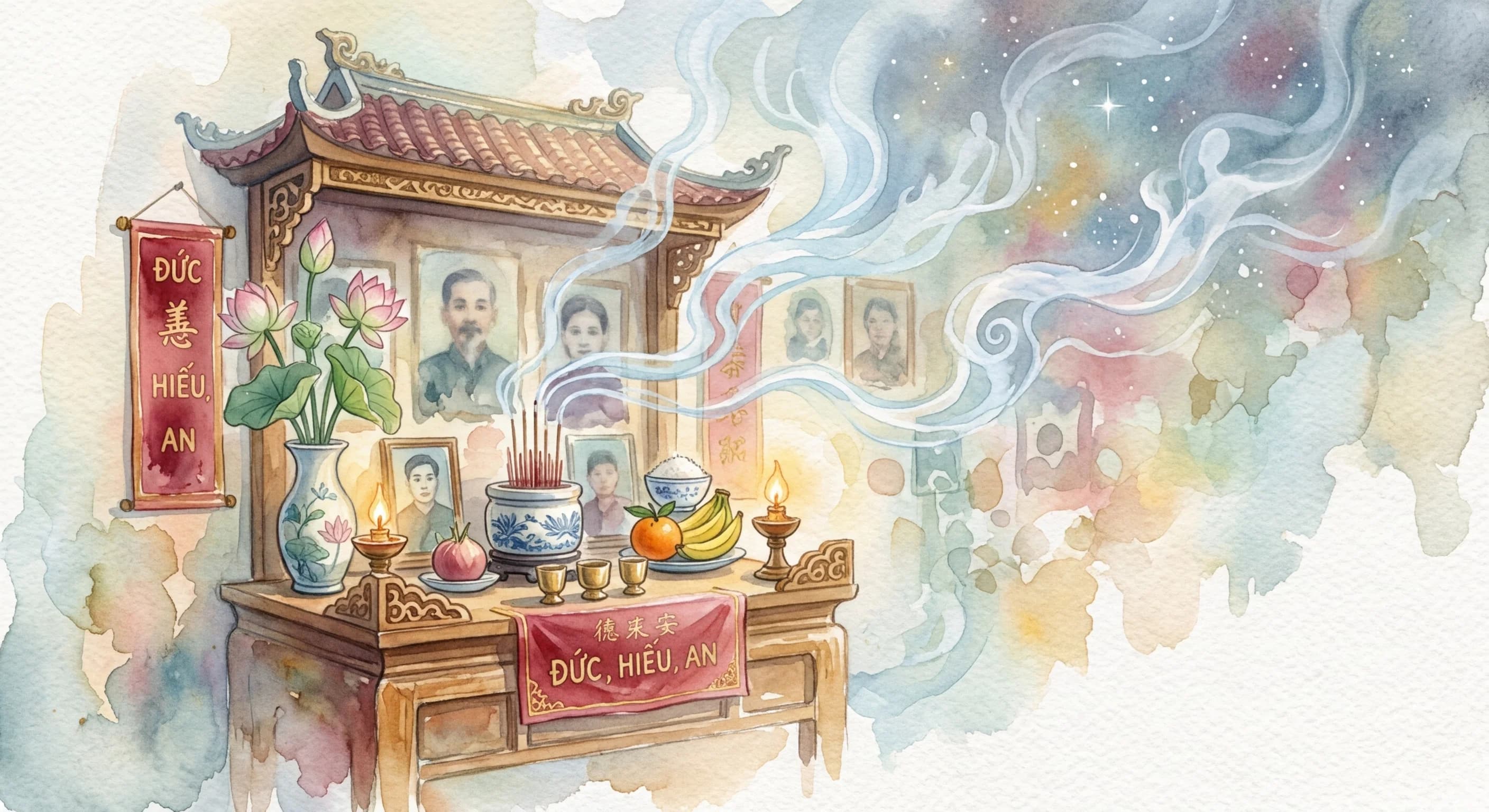
    Artistic representation of Cúng
    Vietnamese•
    🇻🇳Vietnam

    Cúng

    /SOONG/

    Meaning

    Cúng transcends a mere offering; it's a profound ritual act of communion, where the living bridge the visible and invisible worlds. It embodies deep reverence, heartfelt gratitude, and a plea for blessings from ancestors, spirits, and deities. Through meticulously prepared food, fragrant incense, and symbolic items, cúng actively maintains a vibrant, reciprocal relationship with the spiritual realm, reinforcing familial bonds and societal harmony across generations.

    Literal Translation

    Offering/Sacrifice

    The Story Behind the Word

    The concept of cúng is deeply rooted in Vietnam's syncretic spiritual landscape, blending Confucian filial piety, Buddhist reverence for ancestors, and indigenous animistic beliefs. It reflects a worldview where the spiritual and material realms are interconnected, and the well-being of the living is intrinsically linked to the contentment of the deceased and the benevolence of deities. Cúng reinforces the social fabric by emphasizing respect for elders, gratitude for lineage, and the continuous cycle of life and death. It's not just about asking for favors, but fulfilling an obligation, ensuring balance, and maintaining cosmic order within the family and community. This practice underscores the belief that ancestors remain active participants in the family's life, requiring care and remembrance.

    Experience It

    Tết Ancestor Offering

    On the eve of Tết, Hương carefully arranges a tray of Bánh Chưng, sticky rice, and a roasted chicken on her family's altar. Lighting incense, she bows deeply, whispering prayers to her grandparents, inviting them to share in the New Year's feast and asking for health and prosperity for the coming year.

    New Business Blessing

    Before opening his new pho restaurant, Long performs a cúng ceremony. He offers fruit, flowers, and a whole roasted pig to the Kitchen God and local earth spirits, asking for their protection, good fortune, and a steady stream of customers, ensuring a propitious start for his venture.

    The Deeper Meaning

    Cúng reveals a profound cyclical worldview where life and death are not distinct endpoints but interconnected phases within a continuous existence. It underscores the belief in reciprocal relationships—the living care for the dead, and in turn, the dead bestow blessings. This practice highlights the enduring power of lineage, the importance of memory, and the idea that individual identity is deeply intertwined with ancestral heritage and cosmic harmony.

    Did You Know?

    The smoke from the burning incense during cúng is believed to carry the prayers and offerings directly to the spiritual realm, serving as a tangible connection.

    How It's Used

    Used when referring to the act of making offerings to ancestors or deities, often during holidays, anniversaries, or important family events.

    Emotions
    belonging,gratitude,peace
    Contexts
    celebration,family,greeting
    🇻🇳Vietnam

    by Dr. Kenji Tanaka·Written Mar 10, 2026·Updated Apr 3, 2026

    Related Words

    Explore more
    Dolce far nienteItalian

    Dolce far niente captures the profound joy and effortless pleasure derived from simply existing without obligation or purpose. It's the art of savoring moments of pure, unadulterated idleness – lying in the sun, watching the clouds drift, or enjoying a leisurely coffee – not as a break from work, but as a valuable state in itself. This 'sweetness of doing nothing' is a conscious embrace of stillness and contentment, allowing the soul to breathe and the senses to fully engage with the present.

    SobremesaSpanish

    Sobremesa is the cherished, often extended period immediately following a meal, particularly lunch or dinner, where diners remain seated at the table to enjoy conversation, coffee, and digest not just the food, but the company itself. It’s a dedicated time for unhurried social bonding, storytelling, and shared laughter, transforming a simple meal into a profound communal experience. Far from just clearing the dishes, sobremesa is an integral part of Spanish social life, often lasting for hours.

    Wabi-sabiJapanese

    Wabi-sabi is the profound appreciation for the ephemeral, the imperfect, and the incomplete aspects of existence. It is about discovering beauty in the subtle textures of age, the unique character of flaws, and the gentle decay that marks the passage of time. This philosophy encourages a quiet acceptance of impermanence and a mindful connection to the natural world, finding elegance in simplicity and authenticity.

    IkigaiJapanese

    Ikigai is more than just a reason to get out of bed; it's a deeply personal and evolving sense of purpose that brings genuine fulfillment and joy to one's life. It represents the sweet spot where your passions, talents, needs of the world, and what you can be paid for beautifully converge. Discovering your ikigai often leads to a life lived with intentionality, resilience, and a profound connection to one's contributions. It's the intrinsic motivation that fuels a meaningful existence, regardless of external circumstances.