Cam chịu
/KAHM CHEE-oo/
Meaning
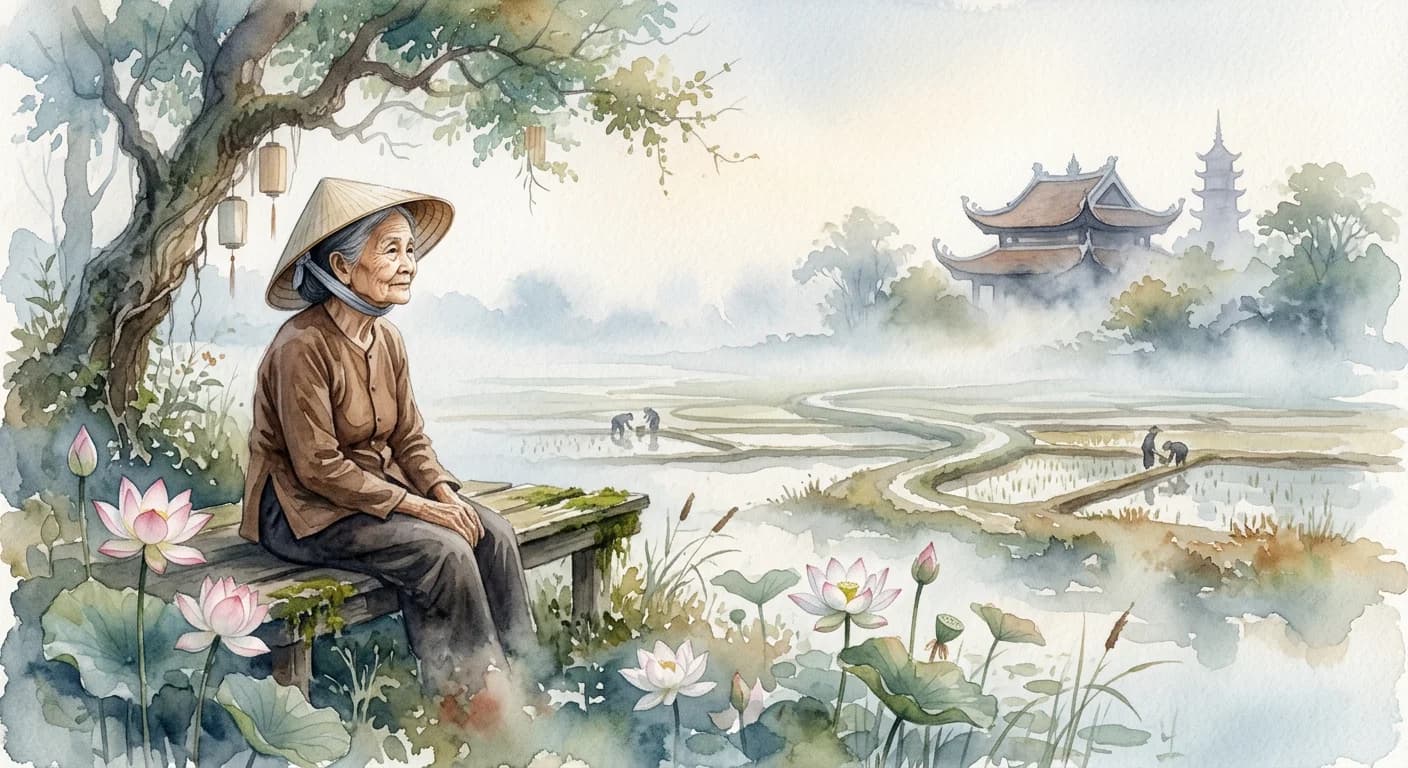
Cam chịu signifies a profound, often quiet and dignified, endurance of hardship, suffering, or injustice without overt complaint or resistance. It's not mere passive acceptance but an active, stoic bearing of burdens, frequently stemming from a deep sense of duty, resilience, or the conviction that open resistance would be futile or detrimental. This concept embodies a silent fortitude, a quiet strength that enables one to persist gracefully through adversity, prioritizing collective harmony or familial obligation over personal grievances.
Literal Translation
to endure / to bear
The Story Behind the Word
The concept of "cam chịu" is deeply woven into the fabric of Vietnamese culture, largely shaped by centuries of foreign occupation, war, and natural disasters. This history fostered a collective psyche where individual suffering was often sublimated for the greater good of the family or community, and open defiance could lead to severe consequences. Influences from Confucianism, with its emphasis on filial piety, social hierarchy, and maintaining harmony, further reinforced the virtue of enduring difficulties without complaint. It reflects a worldview where life is inherently challenging, and true strength lies not in conquering every obstacle, but in gracefully navigating persistent adversity, often with a long-term perspective focused on survival and eventual peace. It reveals a society that values resilience, patience, and inner strength above outward displays of grievance or rebellion.
Experience It
A Mother's Sacrifice
A widow works tirelessly in the rice fields, her body aching, to send her children to school. She never complains about her exhaustion or the meager meals, choosing to cam chịu her struggles for her children's future, offering only a gentle smile when they ask if she's tired.
Quiet Resilience
Despite facing discrimination and unfair treatment at work, a young employee continues to perform their duties diligently and professionally. They cam chịu the injustices, believing that openly confronting their superiors would jeopardize their family's financial stability, hoping their hard work will eventually be recognized.
The Deeper Meaning
Cam chịu reflects a core philosophy where personal suffering is often viewed not as an anomaly, but as an integral part of life's journey. It highlights a profound understanding of human resilience and the power of inner strength in the face of overwhelming external forces. This worldview suggests that dignity and virtue are found not in avoiding pain, but in how one chooses to bear it, often for a higher purpose, such as family honor or community stability.
Did You Know?
While often seen as a virtue, excessive "cam chịu" can sometimes be viewed as a lack of self-advocacy or even self-harm, sparking contemporary discussions in Vietnam about balancing resilience with personal well-being.
How It's Used
Used to describe someone enduring difficult circumstances, such as poverty, illness, or an unhappy relationship, with quiet resignation and strength.