Ula
/OO-lah/
Meaning
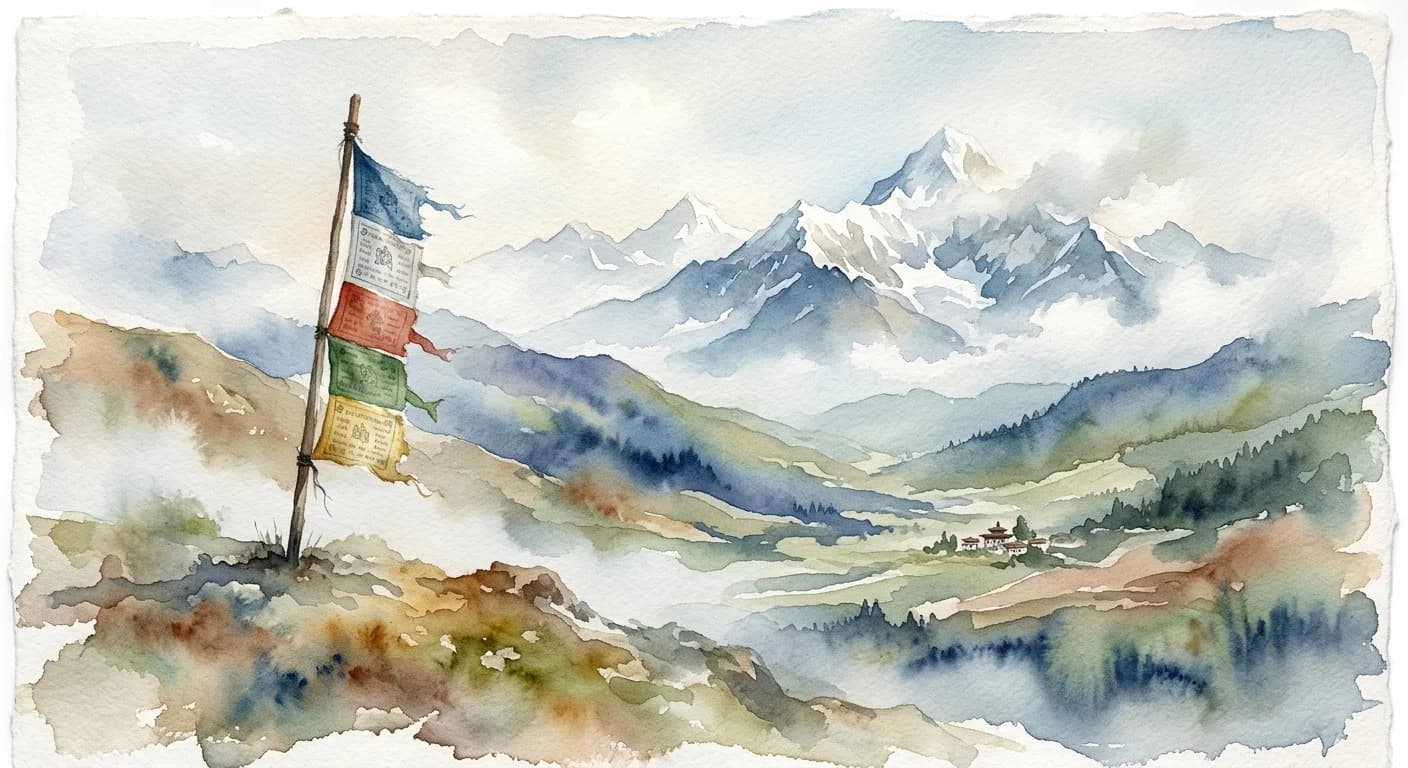
In Tibetan culture, "ula" signifies a profound, almost sacred bond with one's homeland and the pristine natural environment that nourishes it. It encapsulates a deep sense of belonging not merely to a geographical location, but to the very essence of the land, its spiritual energy, and the unbroken lineage of generations who have cherished and sustained it. This feeling transcends mere patriotism, forming an intrinsic part of one's identity, recognizing a mutual, intertwined dependence between humanity and the earth, and fostering an unwavering commitment to safeguarding its sanctity.
Literal Translation
The literal meaning is complex and context-dependent, but often relates to 'home', 'land', or 'essence'.
The Story Behind the Word
The concept of "ula" is deeply rooted in Tibetan Buddhism and its animistic Bon traditions, which imbue the natural world with spiritual life and consciousness. For centuries, Tibetans have lived in close harmony with the formidable Himalayan landscape, fostering a worldview where mountains are deities, rivers are lifeblood, and the land itself is a living entity. This intimate relationship, coupled with a history of defending their unique cultural and territorial identity, forged "ula" as a cornerstone of Tibetan identity. It reflects a collectivist ethos where individual well-being is inextricably linked to the health and spiritual integrity of the shared land, making environmental stewardship a moral and spiritual imperative.
Experience It
Return to Homeland
After years abroad, the elder Tibetan returned to his ancestral village. As his feet touched the familiar soil, a wave of 'ula' washed over him, a profound sense of connection to the mountains, the river, and the spirits of his ancestors. He felt complete, re-anchored to the very essence of his being.
Protecting Sacred Sites
When a mining project threatened a sacred valley, the local community united in protest. Their resolve was fueled by 'ula', understanding that harming the land was harming themselves, their heritage, and the spiritual legacy they were bound to protect for future generations. It was a fight for their very soul.
The Deeper Meaning
The word "ula" reveals a holistic worldview where the separation between humanity and nature is an illusion. It posits that true identity is not merely individual but ecological and ancestral, emphasizing an intrinsic responsibility to care for the earth as one's own body and spirit. This philosophy champions a reciprocal relationship, where the land sustains life, and in return, demands reverence, protection, and a commitment to its enduring spiritual and physical well-being.
Did You Know?
The concept of 'ula' is so ingrained that traditional Tibetan songs and poems frequently invoke this deep connection to the land, often personifying mountains and rivers as beloved kin.
How It's Used
Used to express a deep connection to one's homeland, often in contexts discussing cultural identity, environmental stewardship, or spiritual ties to the land.