U.
HomeRegionsLanguagesEmotionsCollections
Find Your Word

“The limits of my language mean the limits of my world.”

— Ludwig Wittgenstein, Philosopher

Untranslatable

A curated collection of the world's most beautiful expressions—words that remind us language is humanity's greatest invention.

  • Home
  • Collections
  • Regions
  • Countries
  • Emotions
  • Tags
  • Contexts
  • Finder
  • Europe
  • Asia
  • Americas
  • Africa
  • Middle East
  • About
  • Contact
  • Privacy Policy
  • Terms of Service

2026 © Untranslatable. All rights reserved.

    /
    /
    1. Home
    2. /
    3. Asia
    4. /
    5. Rangjung
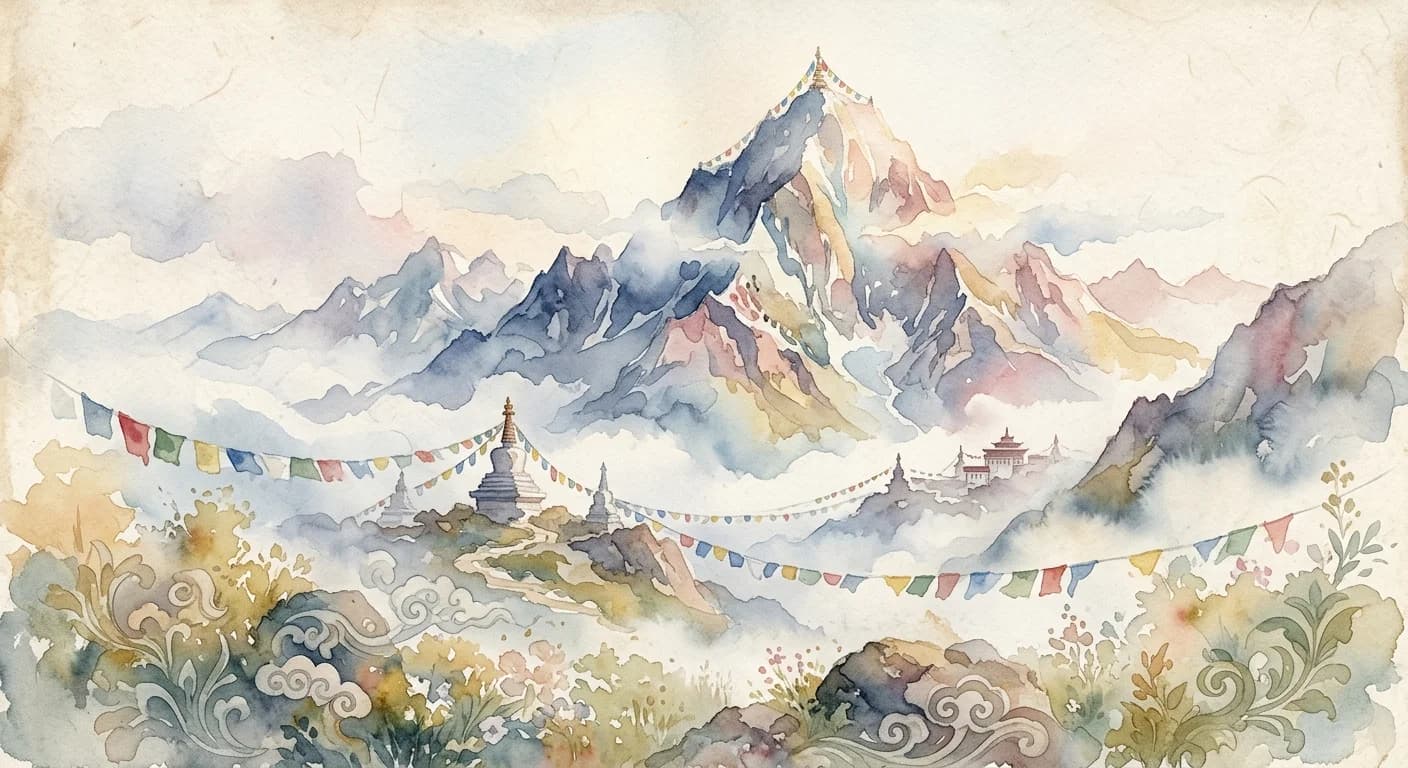
    Artistic representation of rangjung
    Tibetan•
    🇨🇳China

    Rangjung

    /RAHNG-juhng/

    Meaning

    Rangjung describes something that is 'self-arisen' or 'naturally occurring,' especially within a spiritual framework. It refers to phenomena, sacred sites, or natural formations that are believed to have spontaneously manifested without human intervention, embodying an intrinsic sacredness and authenticity. This concept evokes a profound reverence for the inherent power and purity found in the natural world, suggesting a direct connection to the divine or the enlightened nature of reality, untouched by artifice and infused with spiritual potency.

    Literal Translation

    self-arisen

    The Story Behind the Word

    The concept of rangjung is deeply interwoven with Tibetan Buddhist cosmology and practice, reflecting a worldview where the sacred is not merely constructed but discovered within the fabric of existence. It emphasizes the inherent purity and enlightened quality of reality, known as 'primordial purity' (ka dag). The existence of rangjung objects, such as self-arisen Buddha images in rock formations or spontaneously appearing sacred syllables, serves as a tangible reminder of this fundamental truth, inspiring devotion and reinforcing the belief in the omnipresence of enlightened wisdom. These sites become pilgrimage destinations, where practitioners seek blessings and insights, connecting with the 'self-arisen' nature of enlightenment itself. It reveals a culture that perceives the natural world not as inert matter, but as a living canvas imbued with spiritual significance, where the divine can manifest directly and spontaneously.

    Experience It

    Pilgrimage to Sacred Cave

    A group of pilgrims trekked for days to reach a remote cave. Inside, they marveled at a rock formation that clearly resembled a meditating Buddha, untouched by human hands. 'It is rangjung,' whispered an elder, a testament to the mountain's inherent holiness and the presence of enlightenment.

    Discovery of Sacred Script

    While clearing land for a new monastery, a monk uncovered a stone slab with intricate Dharma wheels seemingly etched into its surface, not carved. The abbot declared it rangjung, a miraculous sign from the dakinis, signifying the auspiciousness of the site for spiritual practice.

    The Deeper Meaning

    Rangjung embodies the philosophical insight of 'inherent existence' in a sacred sense. It suggests that ultimate reality, or enlightened nature, is not an external imposition or a cultivated state, but rather an intrinsic quality that spontaneously manifests. This concept challenges the notion of creation from nothing or by a separate deity, instead pointing to a self-sufficient, naturally perfect, and ever-present sacredness within the world and within oneself.

    Did You Know?

    Many rangjung images are believed to be 'terma' or 'treasure teachings' that spontaneously arise from the earth or mind, meant to be discovered at specific times for the benefit of sentient beings.

    How It's Used

    Used to describe naturally occurring sacred objects, sites, or phenomena in Tibetan Buddhism, implying inherent spiritual significance.

    Emotions
    gratitude,peace,serenity,wonder
    Contexts
    nature,religion,travel
    🇨🇳China

    by Dr. Kenji Tanaka·Written Mar 10, 2026·Updated Apr 3, 2026

    Related Words

    Explore more
    Dolce far nienteItalian

    Dolce far niente captures the profound joy and effortless pleasure derived from simply existing without obligation or purpose. It's the art of savoring moments of pure, unadulterated idleness – lying in the sun, watching the clouds drift, or enjoying a leisurely coffee – not as a break from work, but as a valuable state in itself. This 'sweetness of doing nothing' is a conscious embrace of stillness and contentment, allowing the soul to breathe and the senses to fully engage with the present.

    Wabi-sabiJapanese

    Wabi-sabi is the profound appreciation for the ephemeral, the imperfect, and the incomplete aspects of existence. It is about discovering beauty in the subtle textures of age, the unique character of flaws, and the gentle decay that marks the passage of time. This philosophy encourages a quiet acceptance of impermanence and a mindful connection to the natural world, finding elegance in simplicity and authenticity.

    IkigaiJapanese

    Ikigai is more than just a reason to get out of bed; it's a deeply personal and evolving sense of purpose that brings genuine fulfillment and joy to one's life. It represents the sweet spot where your passions, talents, needs of the world, and what you can be paid for beautifully converge. Discovering your ikigai often leads to a life lived with intentionality, resilience, and a profound connection to one's contributions. It's the intrinsic motivation that fuels a meaningful existence, regardless of external circumstances.

    NunchiKorean

    Nunchi is the sophisticated, almost telepathic, ability to instantly grasp the unspoken dynamics of any social situation, anticipating others' thoughts and feelings, and then responding with impeccable grace and timing. It's an acute form of social intuition, allowing one to navigate complex interpersonal landscapes by reading subtle cues like body language, tone, and context. Possessing good nunchi means effortlessly understanding the underlying emotional currents and adjusting one's behavior to maintain harmony and effectiveness, often without a single word exchanged.