U.
HomeRegionsLanguagesEmotionsCollections
Find Your Word

“The limits of my language mean the limits of my world.”

— Ludwig Wittgenstein, Philosopher

Untranslatable

A curated collection of the world's most beautiful expressions—words that remind us language is humanity's greatest invention.

  • Home
  • Collections
  • Regions
  • Countries
  • Emotions
  • Tags
  • Contexts
  • Finder
  • Europe
  • Asia
  • Americas
  • Africa
  • Middle East
  • About
  • Contact
  • Privacy Policy
  • Terms of Service

2026 © Untranslatable. All rights reserved.

    /
    /
    1. Home
    2. /
    3. Asia
    4. /
    5. Nang-pa
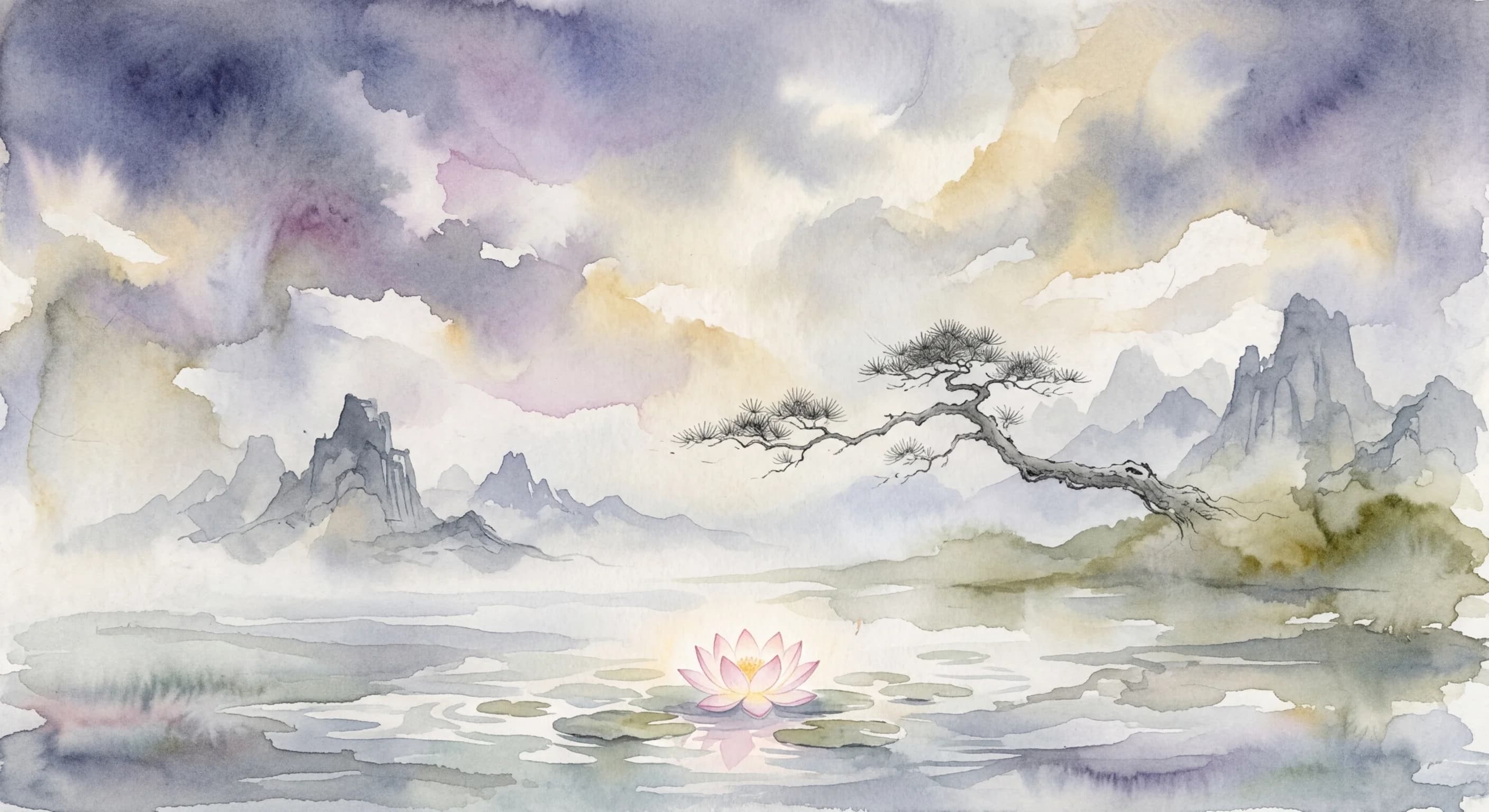
    Artistic representation of nang-pa
    Tibetan•
    🇨🇳China

    Nang-pa

    /NAHNG-pah/

    Meaning

    Nang-pa illuminates the profound 'inner' world of consciousness, mind, and spirit within Tibetan Buddhism. It signifies that the true path to liberation and understanding unfolds not through external pursuits, but through diligent introspection, meditation, and a deep cultivation of one's mental landscape. This concept underscores the transformative power of the internal realm, asserting that by purifying and mastering our inner experience, we can fundamentally reshape our perception of and interaction with the external world, ultimately overcoming suffering and realizing enlightenment.

    Literal Translation

    inner/inside

    The Story Behind the Word

    The existence of 'nang-pa' is central to the Tibetan Buddhist worldview, which fundamentally posits that suffering originates within the mind, not from external circumstances. This word reflects a civilization deeply invested in the study of consciousness and the intricate workings of mental states. For Tibetans, understanding 'nang-pa' is not merely a philosophical exercise but a practical guide for living, emphasizing personal responsibility for one's emotional and spiritual well-being. It underscores a culture that values inner development over material accumulation, where spiritual masters are revered for their profound insight into the 'inner' realm. This perspective has shaped everything from art, which often depicts meditational deities and mandalas representing internal landscapes, to daily practices of mindfulness and compassion, revealing a people who perceive reality as primarily a product of their inner state.

    Experience It

    A Monk's Guidance

    A young novice monk is distressed by distractions during meditation. His lama gently reminds him, 'Do not seek peace outside, my son. Look to your nang-pa; that is where true tranquility resides. The external world is but a reflection of your inner state.'

    Daily Practice

    A Tibetan villager faces a challenging harvest season. Instead of succumbing to despair, she focuses on cultivating patience and resilience within. She understands that by mastering her nang-pa, she can navigate difficulties with a calm and steadfast heart.

    The Deeper Meaning

    This word encapsulates a core Buddhist philosophical tenet: the mind-only doctrine (Cittamatra). It reveals a worldview where objective reality is not truly separate from consciousness, and that our experience of the world is largely a projection or construction of our own minds. This implies immense personal agency and responsibility, suggesting that by transforming our internal landscape, we possess the power to transform our entire experienced reality, moving from suffering to liberation.

    Did You Know?

    While 'nang-pa' refers to the inner world, the term 'nang-pa' is also used to refer to a Buddhist practitioner, emphasizing that being a Buddhist means engaging with one's inner reality.

    How It's Used

    Used in philosophical and spiritual discussions within Tibetan Buddhism to refer to the internal world of consciousness and mental states, as opposed to the external world.

    Emotions
    peace,serenity,wonder
    Contexts
    meditation,relaxation,solitude
    🇨🇳China

    by Dr. Kenji Tanaka·Written Mar 10, 2026·Updated Apr 3, 2026

    Related Words

    Explore more
    Dolce far nienteItalian

    Dolce far niente captures the profound joy and effortless pleasure derived from simply existing without obligation or purpose. It's the art of savoring moments of pure, unadulterated idleness – lying in the sun, watching the clouds drift, or enjoying a leisurely coffee – not as a break from work, but as a valuable state in itself. This 'sweetness of doing nothing' is a conscious embrace of stillness and contentment, allowing the soul to breathe and the senses to fully engage with the present.

    Wabi-sabiJapanese

    Wabi-sabi is the profound appreciation for the ephemeral, the imperfect, and the incomplete aspects of existence. It is about discovering beauty in the subtle textures of age, the unique character of flaws, and the gentle decay that marks the passage of time. This philosophy encourages a quiet acceptance of impermanence and a mindful connection to the natural world, finding elegance in simplicity and authenticity.

    IkigaiJapanese

    Ikigai is more than just a reason to get out of bed; it's a deeply personal and evolving sense of purpose that brings genuine fulfillment and joy to one's life. It represents the sweet spot where your passions, talents, needs of the world, and what you can be paid for beautifully converge. Discovering your ikigai often leads to a life lived with intentionality, resilience, and a profound connection to one's contributions. It's the intrinsic motivation that fuels a meaningful existence, regardless of external circumstances.

    NunchiKorean

    Nunchi is the sophisticated, almost telepathic, ability to instantly grasp the unspoken dynamics of any social situation, anticipating others' thoughts and feelings, and then responding with impeccable grace and timing. It's an acute form of social intuition, allowing one to navigate complex interpersonal landscapes by reading subtle cues like body language, tone, and context. Possessing good nunchi means effortlessly understanding the underlying emotional currents and adjusting one's behavior to maintain harmony and effectiveness, often without a single word exchanged.

    Featured in 1 collection

    🧘‍♀️The Art of Rest