U.
HomeRegionsLanguagesEmotionsCollections
Find Your Word

“The limits of my language mean the limits of my world.”

— Ludwig Wittgenstein, Philosopher

Untranslatable

A curated collection of the world's most beautiful expressions—words that remind us language is humanity's greatest invention.

  • Home
  • Collections
  • Regions
  • Countries
  • Emotions
  • Tags
  • Contexts
  • Finder
  • Europe
  • Asia
  • Americas
  • Africa
  • Middle East
  • About
  • Contact
  • Privacy Policy
  • Terms of Service

2026 © Untranslatable. All rights reserved.

    /
    /
    1. Home
    2. /
    3. Asia
    4. /
    5. Rigpa
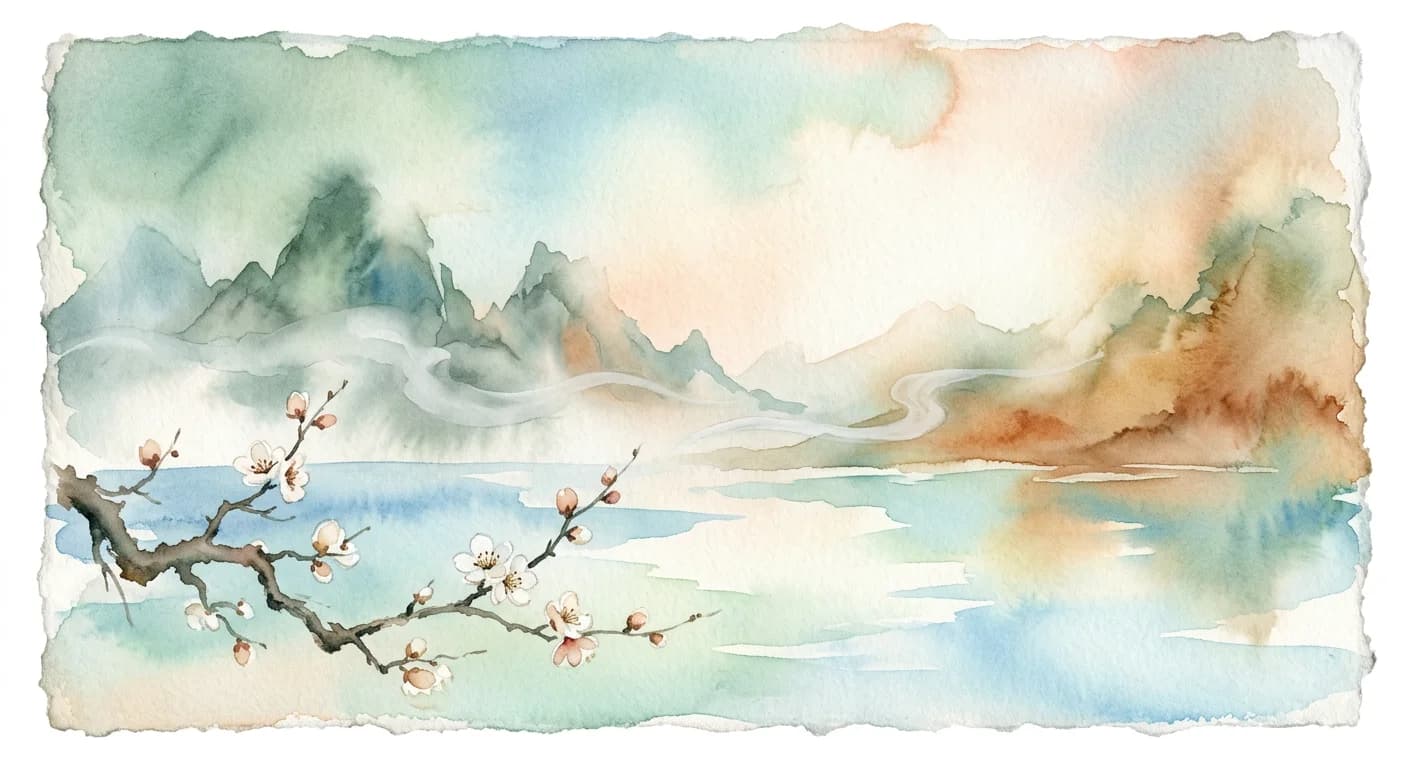
    Artistic representation of rigpa
    Tibetan•
    🇧🇹Bhutan🇨🇳China🇳🇵Nepal

    Rigpa

    /RIG-pah/

    Meaning

    Rigpa unveils the pristine, non-dual awareness that serenely underpins all existence, far beyond the clamor of ordinary thought. It is not mere consciousness but a luminous, empty, and inherently knowing presence, always available, even when obscured by the mind's fleeting illusions. To experience rigpa is to recognize one's true nature, an unwavering wisdom free from ego's grasp and conceptual limitations, embodying the ultimate reality that transcends intellectual understanding.

    Literal Translation

    knowledge, intelligence, awareness

    The Story Behind the Word

    Rigpa is a cornerstone of Dzogchen, the 'Great Perfection' tradition within Tibetan Buddhism, which traces its origins to ancient masters like Garab Dorje and Padmasambhava. This tradition posits that the nature of mind is primordially pure and enlightened, not something to be achieved but recognized. The word's existence reflects a profound indigenous philosophical inquiry into consciousness and reality, shaping not only spiritual practice but also art, ethics, and social structures. It underscores a worldview where ultimate truth is not external or dogmatic, but an intrinsic, luminous awareness waiting to be unveiled within each individual. This emphasis on innate purity contrasts with views that see enlightenment as a distant goal, revealing a culture deeply invested in the immediate, transformative power of inner realization.

    Experience It

    Amidst the Storm

    A monk sits in meditation as a fierce mountain storm rages outside his hermitage. Despite the crashing thunder and driving rain, his mind remains undisturbed, resting in the clear, boundless expanse of rigpa, aware of the storm but not swayed by it.

    Sudden Recognition

    During a particularly challenging debate, a scholar suddenly experiences a moment of profound clarity. The complex arguments dissolve, and for an instant, he perceives the underlying, unconditioned nature of his own mind, a glimpse of rigpa that reorients his entire perspective.

    The Deeper Meaning

    Rigpa reveals a philosophy centered on the intrinsic purity and enlightenment of all beings. It challenges the conventional duality of subject and object, asserting that the ultimate nature of mind is already perfect and complete. This worldview encourages direct experience over intellectual analysis, positing that liberation comes from recognizing this inherent wisdom rather than striving to create it.

    Did You Know?

    The 'rig' in rigpa means 'knowing' or 'awareness,' while 'pa' denotes a state or quality, making it 'the state of knowing' or 'pure awareness' itself.

    How It's Used

    Used in Buddhist philosophy and meditation practices to describe a state of awakened consciousness.

    Emotions
    peace,serenity,wonder
    Contexts
    relaxation,solitude,spirituality
    🇧🇹Bhutan🇨🇳China🇳🇵Nepal

    by Dr. Kenji Tanaka·Written Mar 10, 2026·Updated Apr 3, 2026

    Related Words

    Explore more
    Dolce far nienteItalian

    Dolce far niente captures the profound joy and effortless pleasure derived from simply existing without obligation or purpose. It's the art of savoring moments of pure, unadulterated idleness – lying in the sun, watching the clouds drift, or enjoying a leisurely coffee – not as a break from work, but as a valuable state in itself. This 'sweetness of doing nothing' is a conscious embrace of stillness and contentment, allowing the soul to breathe and the senses to fully engage with the present.

    Wabi-sabiJapanese

    Wabi-sabi is the profound appreciation for the ephemeral, the imperfect, and the incomplete aspects of existence. It is about discovering beauty in the subtle textures of age, the unique character of flaws, and the gentle decay that marks the passage of time. This philosophy encourages a quiet acceptance of impermanence and a mindful connection to the natural world, finding elegance in simplicity and authenticity.

    IkigaiJapanese

    Ikigai is more than just a reason to get out of bed; it's a deeply personal and evolving sense of purpose that brings genuine fulfillment and joy to one's life. It represents the sweet spot where your passions, talents, needs of the world, and what you can be paid for beautifully converge. Discovering your ikigai often leads to a life lived with intentionality, resilience, and a profound connection to one's contributions. It's the intrinsic motivation that fuels a meaningful existence, regardless of external circumstances.

    NunchiKorean

    Nunchi is the sophisticated, almost telepathic, ability to instantly grasp the unspoken dynamics of any social situation, anticipating others' thoughts and feelings, and then responding with impeccable grace and timing. It's an acute form of social intuition, allowing one to navigate complex interpersonal landscapes by reading subtle cues like body language, tone, and context. Possessing good nunchi means effortlessly understanding the underlying emotional currents and adjusting one's behavior to maintain harmony and effectiveness, often without a single word exchanged.