Bhawana
/BHAA-wuh-naa/
Meaning
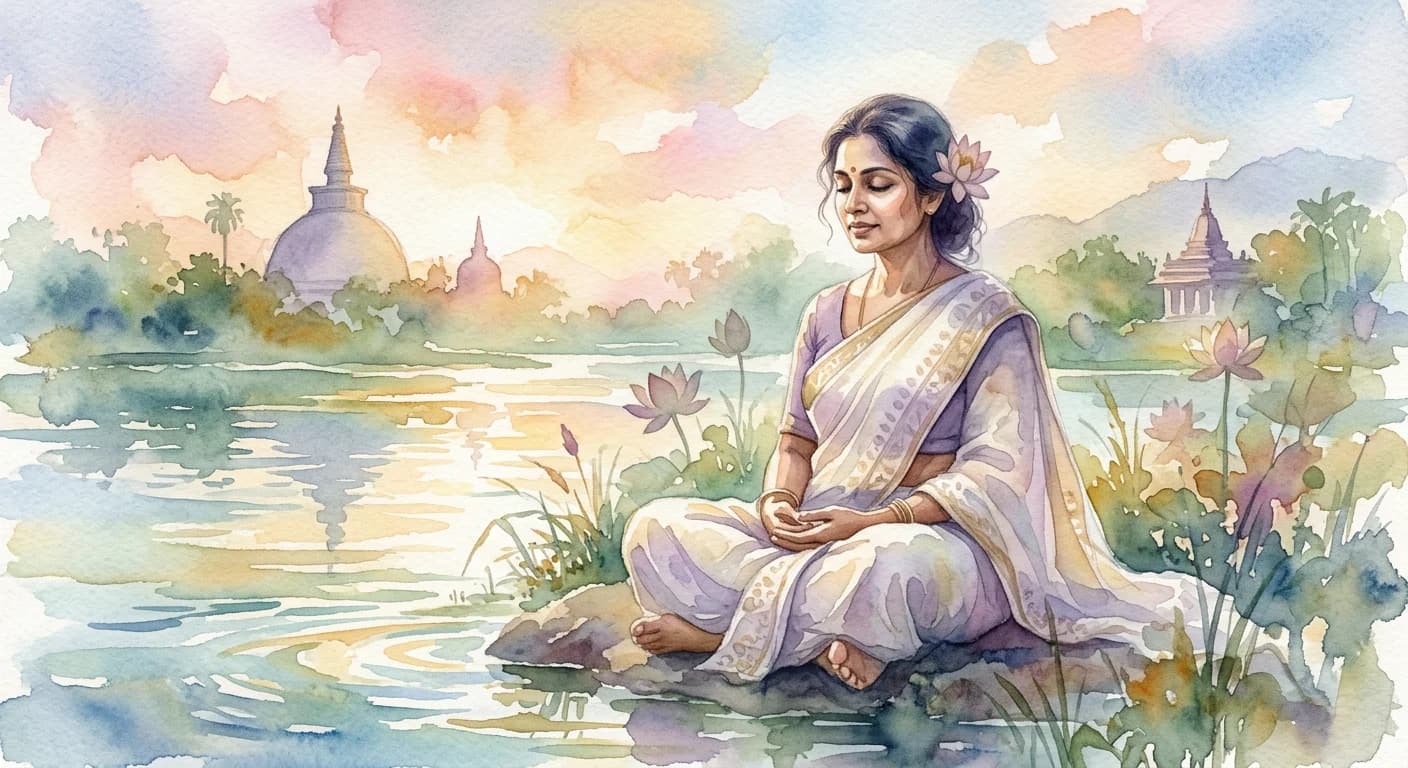
Bhawana transcends mere thought; it is the deliberate and active cultivation of one's inner landscape, a profound process of mental alchemy. It involves sustained meditation and contemplation to sculpt the mind, fostering positive mental states like metta (loving-kindness), karuna (compassion), mudita (sympathetic joy), and upekkha (equanimity). This practice is central to transforming consciousness, leading an individual towards inner peace, wisdom, and liberation from suffering, recognizing the mind's malleable nature.
Literal Translation
Mental cultivation, contemplation, thought
The Story Behind the Word
Originating from ancient Buddhist philosophy, particularly prevalent in Sri Lankan Theravada Buddhism, Bhawana encapsulates the core belief that the mind is not a fixed entity but a garden to be tended. This word exists because the culture places immense value on internal transformation as the path to well-being and enlightenment. It reflects a worldview where external circumstances are secondary to one's mental state, and true freedom is achieved by mastering the inner world. The concept underscores the Sri Lankan Buddhist emphasis on self-reliance in spiritual development, where disciplined mental effort is the key to escaping the cycle of suffering (samsara) and attaining nirvana. It reveals a society that deeply respects introspection and mindfulness as essential life skills.
Experience It
Morning Meditation Bhawana
A monk sits in the quiet dawn, his mind focused on his breath, systematically letting go of distractions. This daily practice of 'anapanasati bhawana' is his way of cultivating mindfulness, sharpening his awareness, and preparing his mind to meet the day with equanimity and compassion for all beings.
Cultivating Compassion
After a disagreement, a woman consciously practices 'metta bhawana,' sending thoughts of loving-kindness first to herself, then to her loved ones, and eventually to the person she argued with. This isn't just wishing them well, but actively fostering a genuine feeling of goodwill within her heart, transforming her anger into understanding.
The Deeper Meaning
Bhawana reveals a profound philosophical insight: that human suffering is largely rooted in unskillful mental states and can be alleviated by consciously purifying and developing the mind. It posits that true happiness and liberation are not found externally but are cultivated internally through diligent self-effort, challenging the notion of a static self and emphasizing the transformative power of consciousness.
Did You Know?
While often associated with sitting meditation, Bhawana also encompasses 'walking meditation' (jangama bhawana), where mindful movement is used to cultivate awareness and presence in everyday actions.
How It's Used
Used in Buddhist and Hindu contexts to describe the practice of mental cultivation, meditation, and the development of positive mental states.