U.
HomeRegionsLanguagesEmotionsCollections
Find Your Word

“The limits of my language mean the limits of my world.”

— Ludwig Wittgenstein, Philosopher

Untranslatable

A curated collection of the world's most beautiful expressions—words that remind us language is humanity's greatest invention.

  • Home
  • Collections
  • Regions
  • Countries
  • Emotions
  • Tags
  • Contexts
  • Finder
  • Europe
  • Asia
  • Americas
  • Africa
  • Middle East
  • About
  • Contact
  • Privacy Policy
  • Terms of Service

2026 © Untranslatable. All rights reserved.

    /
    /
    1. Home
    2. /
    3. Americas
    4. /
    5. Llutu
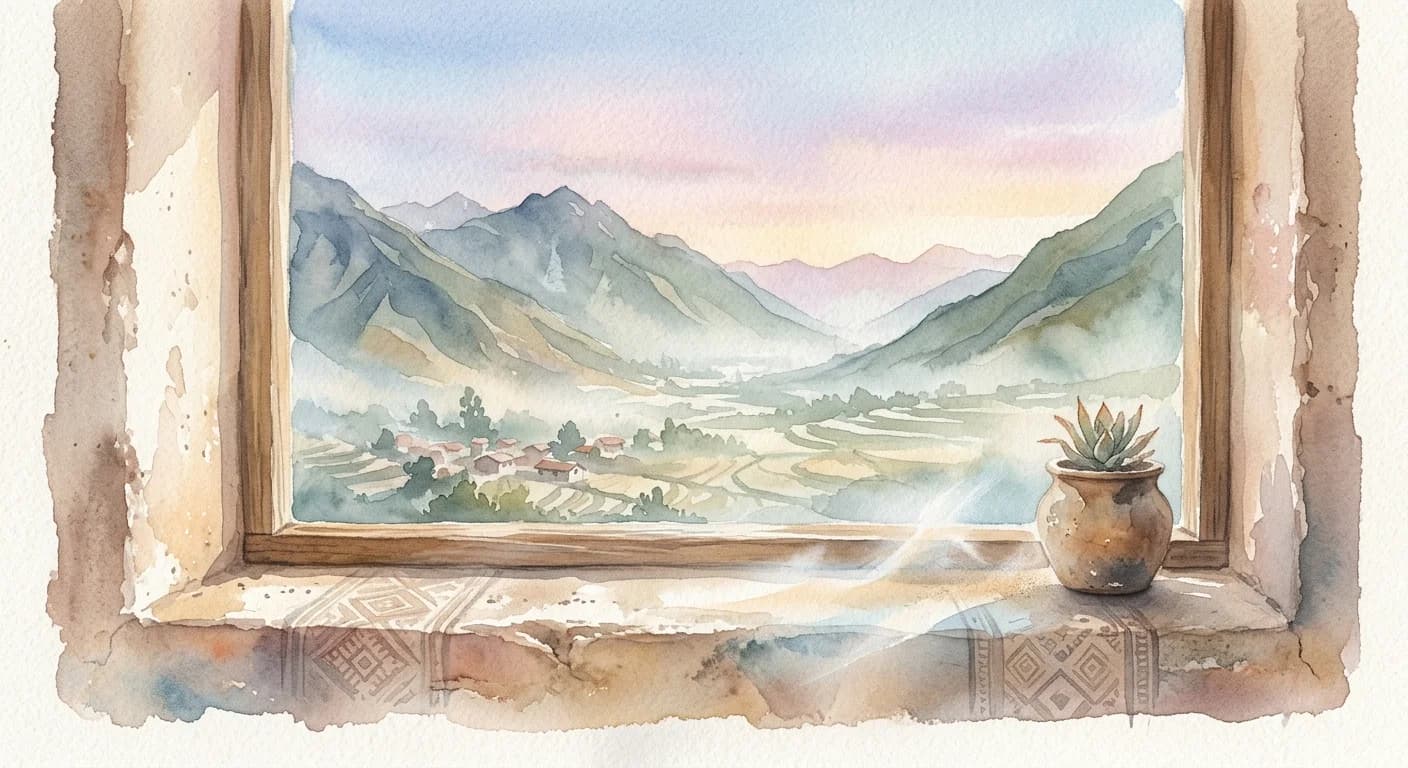
    Artistic representation of Llutu
    Quechua•
    🇧🇴Bolivia🇪🇨Ecuador🇵🇪Peru

    Llutu

    /LOO-too/

    Meaning

    Llutu describes the delicate, almost imperceptible film of fine dust or fluff that settles upon surfaces, particularly prevalent in the dry, high-altitude environments of the Andes. It's more than mere dirt; it signifies the gentle accumulation of time, the stillness of neglected spaces, and the subtle, ongoing interaction between objects and the elements. This ephemeral layer invites a moment of quiet observation, reflecting the Andean reverence for the minute details of the natural world and the transient beauty of existence.

    Literal Translation

    fine dust, fluff

    The Story Behind the Word

    The existence of 'llutu' in Quechua reflects a profound Andean sensitivity to the subtle rhythms and textures of the natural world. In a landscape where wind, sun, and earth are ever-present forces, the accumulation of fine dust becomes a tangible marker of time's passage and nature's quiet work. It speaks to a worldview that values observation, patience, and an understanding that even the most minute details hold significance. This word embodies the Andean philosophy of 'Pachamama' (Mother Earth), where every element, no matter how small, is part of a living, breathing system, and deserves respectful acknowledgment. It’s a reminder that nothing is truly static; everything is in a constant, gentle state of becoming and returning to the earth.

    Experience It

    Forgotten Altar

    In a remote mountain shrine, an ancient stone offering table was covered in a thick layer of llutu. The fine dust shimmered in the morning light, a testament to the countless days and nights it had stood untouched, a silent witness to the passage of seasons.

    Grandmother's Loom

    Maria ran her hand over her grandmother's old loom, feeling the soft llutu that had settled on its wooden frame. It wasn't dirty; it was a gentle blanket of time, whispering stories of hands that once wove vibrant textiles, now resting.

    The Deeper Meaning

    Llutu embodies a philosophy of mindful observation and an appreciation for impermanence. It teaches that even in stillness, there is constant, subtle change, and that neglected objects carry the silent narrative of time. It encourages a deeper connection to one's surroundings, recognizing the delicate balance and gentle decay inherent in all things, fostering a sense of humility and respect for the natural cycle.

    Did You Know?

    Llutu can be so fine that it's almost invisible, yet its presence is deeply felt, often associated with the very breath of the high-altitude winds that carry it.

    How It's Used

    Used to describe the fine dust or fluff that accumulates on surfaces, especially in dry or dusty conditions. It can be used literally to describe dust on an object or metaphorically to describe something that has been neglected or left untouched for a while.

    Emotions
    peace,serenity,wonder
    Contexts
    nature,seasons,solitude
    🇧🇴Bolivia🇪🇨Ecuador🇵🇪Peru

    by Kwame Nkrumah·Written Mar 10, 2026·Updated Apr 3, 2026

    Related Words

    Explore more
    Dolce far nienteItalian

    Dolce far niente captures the profound joy and effortless pleasure derived from simply existing without obligation or purpose. It's the art of savoring moments of pure, unadulterated idleness – lying in the sun, watching the clouds drift, or enjoying a leisurely coffee – not as a break from work, but as a valuable state in itself. This 'sweetness of doing nothing' is a conscious embrace of stillness and contentment, allowing the soul to breathe and the senses to fully engage with the present.

    Pura vidaSpanish

    More than just 'pure life,' "Pura vida" encapsulates a profound philosophy of embracing the present moment with unwavering optimism and gratitude. It's a daily commitment to finding joy in simple pleasures, accepting life's challenges with a positive spirit, and prioritizing well-being over material possessions. This ubiquitous phrase reflects a national identity built on resilience, community, and an deep appreciation for nature's bounty.

    MamihlapinatapaiYaghan

    Mamihlapinatapai encapsulates that profound, unspoken moment when two individuals lock eyes, each silently acknowledging a mutual desire or intention, yet both hesitate to be the first to act upon it. It's a delicate dance of anticipation, a shared gaze brimming with common understanding and a quiet longing for the other to break the ice. This intricate look carries the weight of a shared, uninitiated potential, a silent conversation where both parties are perfectly aware of what could happen, but neither makes the first move.

    TingoPascuense

    Tingo describes the subtle, insidious process of progressively appropriating a neighbor's belongings by habitually requesting to borrow them, only to 'forget' their return. It's not outright theft, but a slow, deliberate erosion of another's possessions, often under the guise of neighborly exchange. This gradual accumulation, piece by piece, ultimately results in a significant transfer of goods without any direct confrontation or formal acknowledgment of the loss. It speaks to a passive-aggressive form of acquisition, where social niceties are weaponized.