Polepole
/POH-leh POH-leh/
Meaning
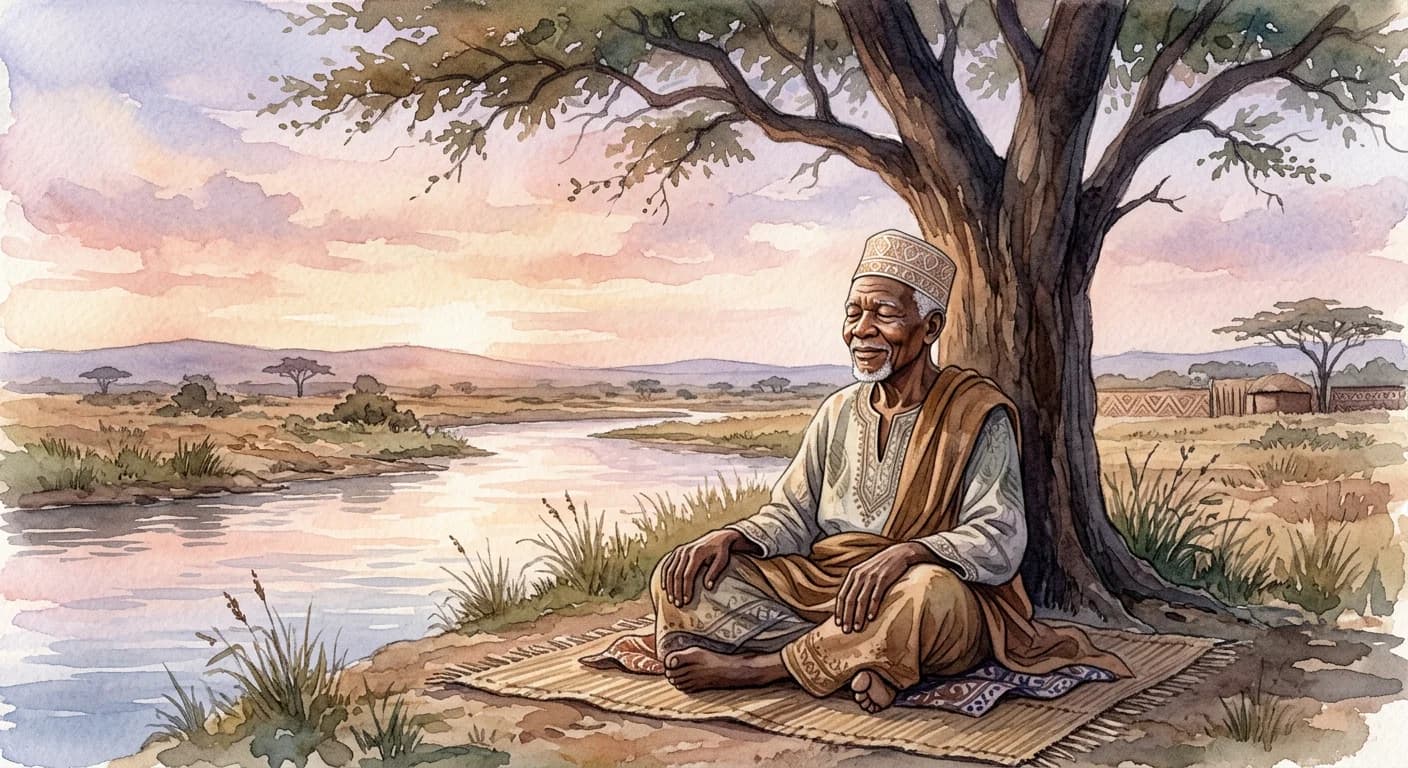
Polepole is a profound Swahili philosophy that transcends mere speed, advocating for a deliberate and unhurried approach to life. It champions patience, resilience, and a mindful engagement with every moment, encouraging individuals to savor experiences and foster deeper connections with their surroundings and community. This ethos suggests that true well-being and sustainable progress are cultivated not through frantic haste, but through steady, graceful effort, reflecting a deep cultural appreciation for perseverance and harmony.
Literal Translation
slowly slowly
The Story Behind the Word
The concept of 'polepole' is deeply woven into the fabric of East African societies, particularly in Tanzania, where life rhythms are often dictated by natural cycles and community interdependence rather than rigid schedules. It emerged from an agricultural heritage and a communal living style where collective well-being often depended on careful planning and execution rather than individualistic rushing. This word reveals a worldview that values presence over productivity, relationships over deadlines, and the journey over the destination. It's a cultural antidote to the anxieties of modern fast-paced living, emphasizing that true efficiency and fulfillment stem from a calm, considered approach. It underscores a belief in the interconnectedness of time, nature, and human interaction, suggesting that forcing one's pace against these elements is ultimately counterproductive.
Experience It
Mountain Ascent
During a challenging climb up Mount Kilimanjaro, a seasoned guide constantly reminds a group of eager but exhausted hikers, 'Polepole, my friends, polepole.' He knows that a steady, unhurried pace is the only way to conquer the altitude and reach the summit safely, ensuring everyone enjoys the breathtaking journey.
Crafting a Basket
A grandmother teaches her grandchild the intricate art of weaving a traditional basket. As the child grows frustrated with a tangled reed, the grandmother gently places her hand over theirs, whispering, 'Polepole. Take your time. Beauty comes from patience, not speed.' The child slowly relaxes, understanding the rhythm of the craft.
The Deeper Meaning
Polepole embodies a profound philosophy of existential patience and trust in the natural unfolding of events. It challenges the Western notion of time as a linear, scarce resource to be conquered, instead perceiving it as cyclical and abundant. This perspective fosters a deep appreciation for the present moment, encouraging individuals to engage fully with their immediate environment and relationships, believing that true progress is a harmonious dance with life's inherent rhythm, not a race against it.
Did You Know?
The phrase 'Haraka haraka haina baraka' (Rush rush has no blessings) is a common Swahili proverb that perfectly complements and reinforces the philosophy of 'polepole.'
How It's Used
Used to advise someone to slow down, take their time, or to describe a slow-moving process or situation. It can also be used as a general encouragement to live life at a more relaxed pace.