Hikma
/HIK-mah/
Meaning
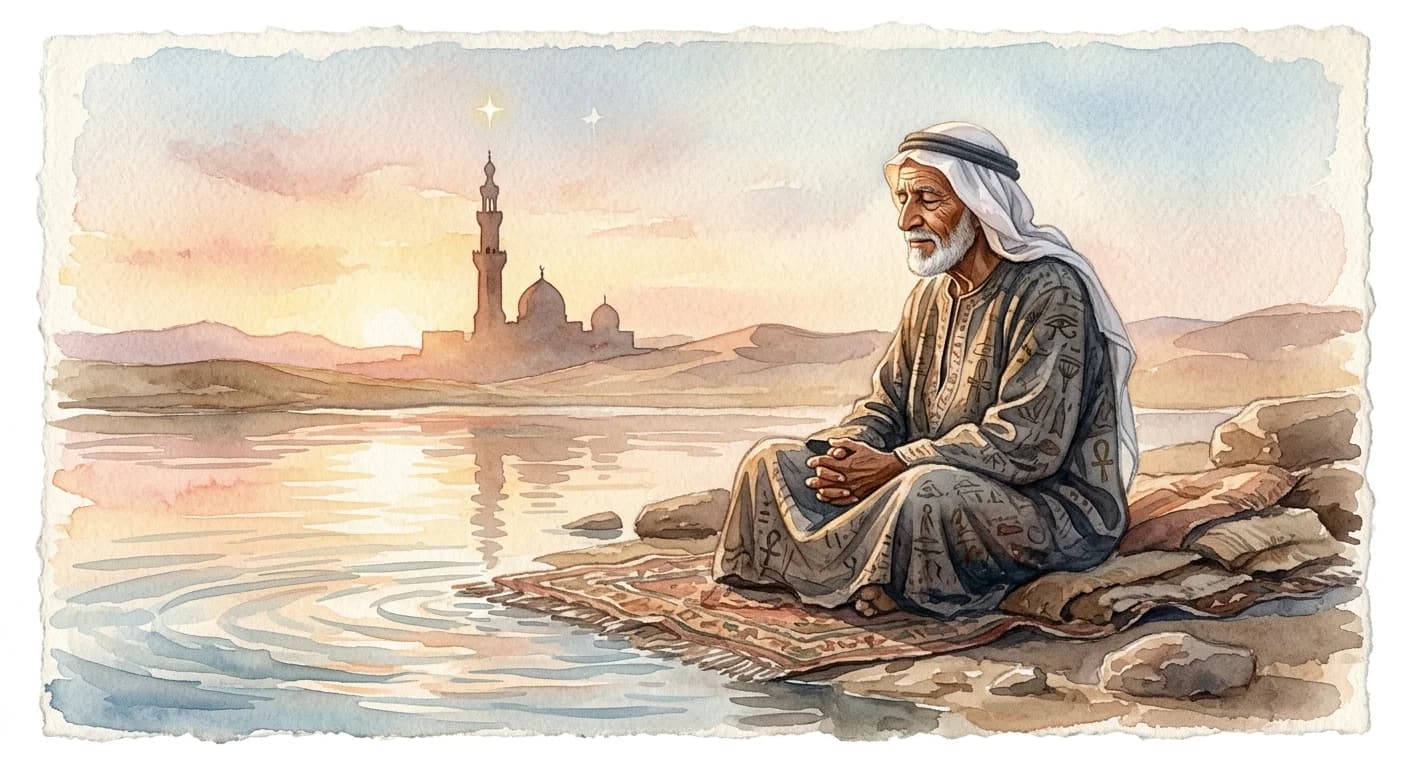
Hikma transcends mere intellectual understanding, embodying a profound, divinely informed wisdom that illuminates the path to righteous conduct and sound judgment. It is the deep discernment to perceive the hidden truths beneath the surface of situations, guiding an individual to act with prudence, justice, and spiritual clarity. Cultivated through life's experiences, profound reflection, and often perceived as a divine gift, Hikma is a cherished virtue that elevates one beyond simple knowledge to a state of enlightened insight.
Literal Translation
Wisdom, insight, prudence
The Story Behind the Word
In Arabic and Islamic cultures, Hikma is a cornerstone concept, deeply embedded in religious texts like the Quran and Hadith, where Allah is described as Al-Hakim (The All-Wise). This foundational belief establishes wisdom not just as a human trait but as a divine attribute, making its pursuit a spiritual endeavor. It reflects a worldview where knowledge is not purely empirical but often revealed or divinely inspired, linking intellectual understanding with moral and ethical action. The concept shapes educational ideals, emphasizing not just memorization but the cultivation of profound understanding and character. For centuries, scholars, philosophers, and Sufi mystics have striven to embody Hikma, seeing it as the ultimate goal of learning and spiritual development, essential for navigating complex social and personal dilemmas with grace and rectitude. It reveals a culture that values deep insight and ethical guidance over superficial knowledge.
Experience It
Elder's Wise Counsel
A young man is torn between two career paths, both promising but one morally ambiguous. He seeks out an respected elder in his community. The elder, drawing on decades of experience and spiritual reflection, doesn't just offer advice but shares a parable that helps the young man see the long-term ethical implications, guiding him to a decision rooted in Hikma.
Navigating Community Conflict
A heated dispute erupts between two families in a village. The local imam, known for his profound Hikma, intervenes. Instead of simply mediating a compromise, he identifies the underlying resentments and misconceptions, offering a perspective that allows both parties to understand the deeper truth of their interconnectedness, leading to genuine reconciliation.
The Deeper Meaning
Hikma reveals a worldview where truth is not solely rational or empirical, but often intuitive, spiritual, and divinely connected. It posits that true understanding extends beyond facts to encompass moral discernment and ethical action, suggesting that knowledge without wisdom is incomplete. This concept underpins a philosophy where personal growth is inextricably linked to spiritual enlightenment and the pursuit of righteousness, emphasizing character and insight over mere intellectual prowess.
Did You Know?
The word 'Hikma' shares its root with 'Hakeem' (physician), suggesting that true healing, like wisdom, requires deep insight into the underlying causes and a holistic approach to well-being.
How It's Used
Hikma is often used in discussions about ethics, spirituality, personal development, and decision-making, particularly within Islamic contexts. It can refer to the wisdom of a learned elder, the insightful counsel given to someone facing a dilemma, or the understanding of the deeper meaning in life's events. It is invoked when seeking guidance or reflecting on profound truths.