U.
HomeRegionsLanguagesEmotionsCollections
Find Your Word

“The limits of my language mean the limits of my world.”

— Ludwig Wittgenstein, Philosopher

Untranslatable

A curated collection of the world's most beautiful expressions—words that remind us language is humanity's greatest invention.

  • Home
  • Collections
  • Regions
  • Countries
  • Emotions
  • Tags
  • Contexts
  • Finder
  • Europe
  • Asia
  • Americas
  • Africa
  • Middle East
  • About
  • Contact
  • Privacy Policy
  • Terms of Service

2026 © Untranslatable. All rights reserved.

    /
    /
    1. Home
    2. /
    3. Middle East
    4. /
    5. Taqwa
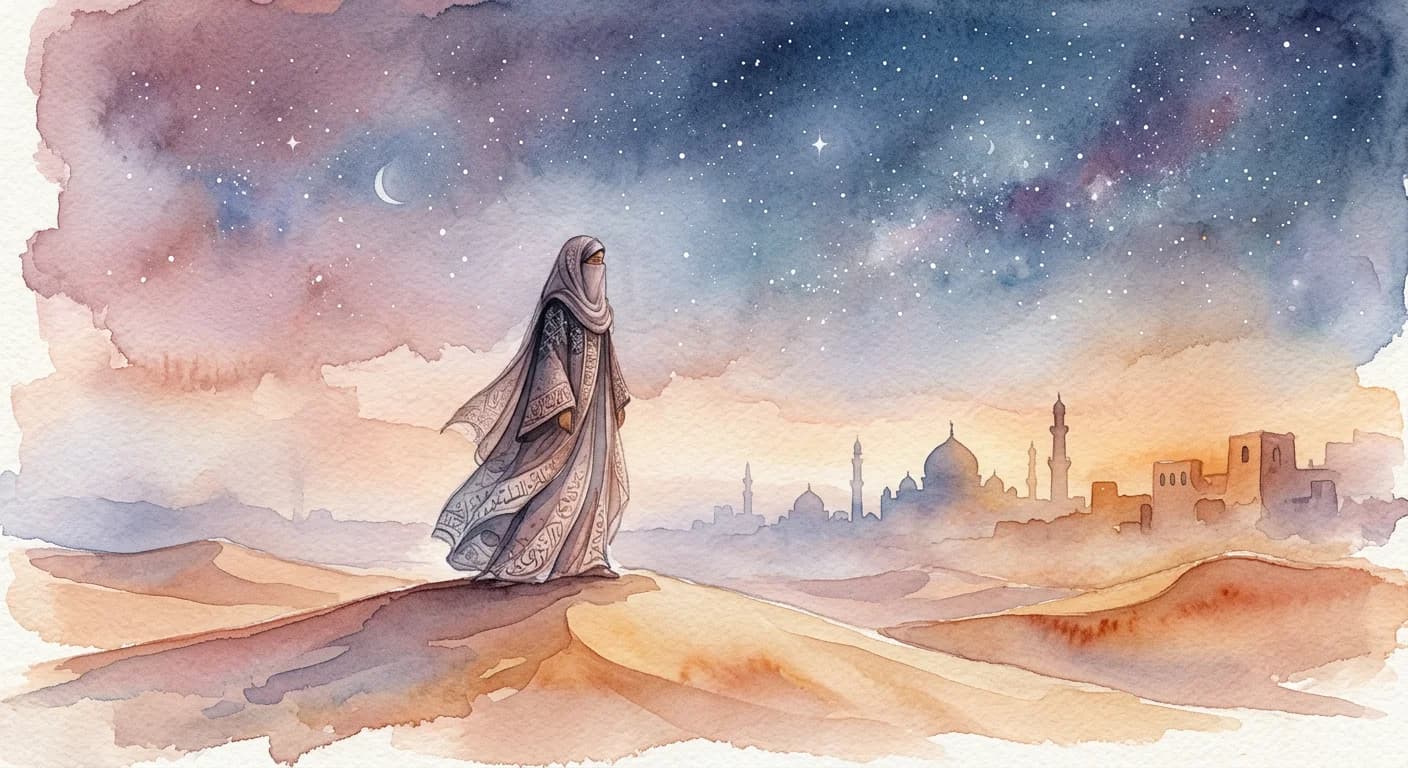
    Artistic representation of Taqwa
    Arabic•
    🇩🇿Algeria🇧🇭Bahrain🇪🇬Egypt🇮🇷Iran🇮🇶Iraq🇯🇴Jordan🇰🇼Kuwait🇱🇧Lebanon🇲🇦Morocco🇴🇲Oman🇵🇸Palestine🇶🇦Qatar🇸🇦Saudi Arabia🇸🇩Sudan🇸🇾Syria🇹🇳Tunisia🇦🇪United Arab Emirates🇾🇪Yemen

    Taqwa

    /TAK-wah/

    Meaning

    Taqwa encapsulates a profound, active consciousness of God, a vibrant spiritual awareness that deeply informs every action and intention. It transcends mere belief, manifesting as a vigilant reverence for the Divine that guides one's behavior, fostering an unwavering sense of accountability and an intrinsic drive towards righteousness. This inner vigilance cultivates a life lived with profound purpose, meticulously adhering to divine commands while shunning the forbidden. It is a deep-seated piety that nurtures inner peace and an intimate connection to the spiritual realm, far surpassing any simple English translation of 'piety' or 'God-consciousness'.

    Literal Translation

    consciousness, God-consciousness, piety, fear of God

    The Story Behind the Word

    The concept of Taqwa is central to Islamic theology and practice, deeply embedded in the cultural fabric of Saudi Arabia and the broader Muslim world. Its origins trace back to the Quran and the teachings of Prophet Muhammad, where it is frequently invoked as the highest virtue. This word exists because Islam emphasizes a holistic way of life, where faith isn't confined to ritual but permeates all aspects of existence. It reveals a worldview where human actions are constantly weighed against divine will, fostering a continuous self-reflection and a profound sense of responsibility towards God, self, and community. The concept shapes ethical conduct, decision-making, and societal norms, positioning inner moral compass rooted in divine awareness as paramount.

    Experience It

    Ethical Business Deal

    A merchant, when offered a chance to make a quick profit through a slightly deceptive deal, hesitates. His Taqwa reminds him of God's omnipresence and the importance of honesty, leading him to decline the offer and uphold his integrity, even if it means less immediate gain.

    Helping a Stranger

    Seeing a person in distress on the street, a passerby feels an internal urge to help, despite being in a hurry. This act of compassion, driven by a consciousness of God's command to aid others, is an manifestation of their Taqwa, prioritizing altruism over personal convenience.

    The Deeper Meaning

    Taqwa reveals a fundamental Islamic philosophical premise: human beings are moral agents, constantly tested, and their ultimate purpose is to live in submission to God. It posits that true freedom and peace are found not in unrestrained autonomy, but in aligning one's will with the Divine. This worldview emphasizes introspection, self-correction, and the belief that every action, no matter how small, carries spiritual weight and consequence.

    Did You Know?

    The root word of Taqwa, 'waqa', means to protect or guard, implying that Taqwa is a shield protecting one from wrongdoing and God's displeasure.

    How It's Used

    Taqwa is a fundamental concept in Islam, frequently invoked in religious discourse, sermons, and personal spiritual reflections. It's used to encourage Muslims to live a life mindful of God's presence and judgment, influencing their ethical conduct, decision-making, and overall relationship with the Divine.

    Emotions
    gratitude,hope,peace,serenity
    Contexts
    celebration,family,solitude,work
    🇩🇿Algeria🇧🇭Bahrain🇪🇬Egypt🇮🇷Iran🇮🇶Iraq🇯🇴Jordan🇰🇼Kuwait🇱🇧Lebanon🇲🇦Morocco🇴🇲Oman🇵🇸Palestine🇶🇦Qatar🇸🇦Saudi Arabia🇸🇩Sudan🇸🇾Syria🇹🇳Tunisia🇦🇪United Arab Emirates🇾🇪Yemen

    by Sofia Rossi·Written Mar 10, 2026·Updated Apr 3, 2026

    Related Words

    Explore more
    Dolce far nienteItalian

    Dolce far niente captures the profound joy and effortless pleasure derived from simply existing without obligation or purpose. It's the art of savoring moments of pure, unadulterated idleness – lying in the sun, watching the clouds drift, or enjoying a leisurely coffee – not as a break from work, but as a valuable state in itself. This 'sweetness of doing nothing' is a conscious embrace of stillness and contentment, allowing the soul to breathe and the senses to fully engage with the present.

    Pura vidaSpanish

    More than just 'pure life,' "Pura vida" encapsulates a profound philosophy of embracing the present moment with unwavering optimism and gratitude. It's a daily commitment to finding joy in simple pleasures, accepting life's challenges with a positive spirit, and prioritizing well-being over material possessions. This ubiquitous phrase reflects a national identity built on resilience, community, and an deep appreciation for nature's bounty.

    TarofPersian

    Tarof is a deeply ingrained Iranian social custom, a delicate dance of politeness and deference where individuals engage in an elaborate exchange of offers and refusals. It's a performative humility, a way of showing respect and avoiding imposing, often involving multiple cycles of insistence and polite decline before a genuine acceptance or refusal is reached. This intricate ritual governs interactions from sharing food to paying bills, creating a nuanced social ballet.

    TarabArabic

    Tarab is far more than mere enjoyment; it's a profound, almost spiritual communion with music, where the performer and audience become one in a shared emotional journey. It signifies a state of ecstatic enchantment, a deep emotional surrender that transcends the self, leading to a transformative experience. This intense connection often manifests as spontaneous vocalizations, tears, or even physical swaying, as the music penetrates the soul and evokes a powerful release of feeling. It's a moment of pure, unadulterated musical rapture.