U.
HomeRegionsLanguagesEmotionsCollections
Find Your Word

“The limits of my language mean the limits of my world.”

— Ludwig Wittgenstein, Philosopher

Untranslatable

A curated collection of the world's most beautiful expressions—words that remind us language is humanity's greatest invention.

  • Home
  • Collections
  • Regions
  • Countries
  • Emotions
  • Tags
  • Contexts
  • Finder
  • Europe
  • Asia
  • Americas
  • Africa
  • Middle East
  • About
  • Contact
  • Privacy Policy
  • Terms of Service

2026 © Untranslatable. All rights reserved.

    /
    /
    1. Home
    2. /
    3. Middle East
    4. /
    5. Niyyah
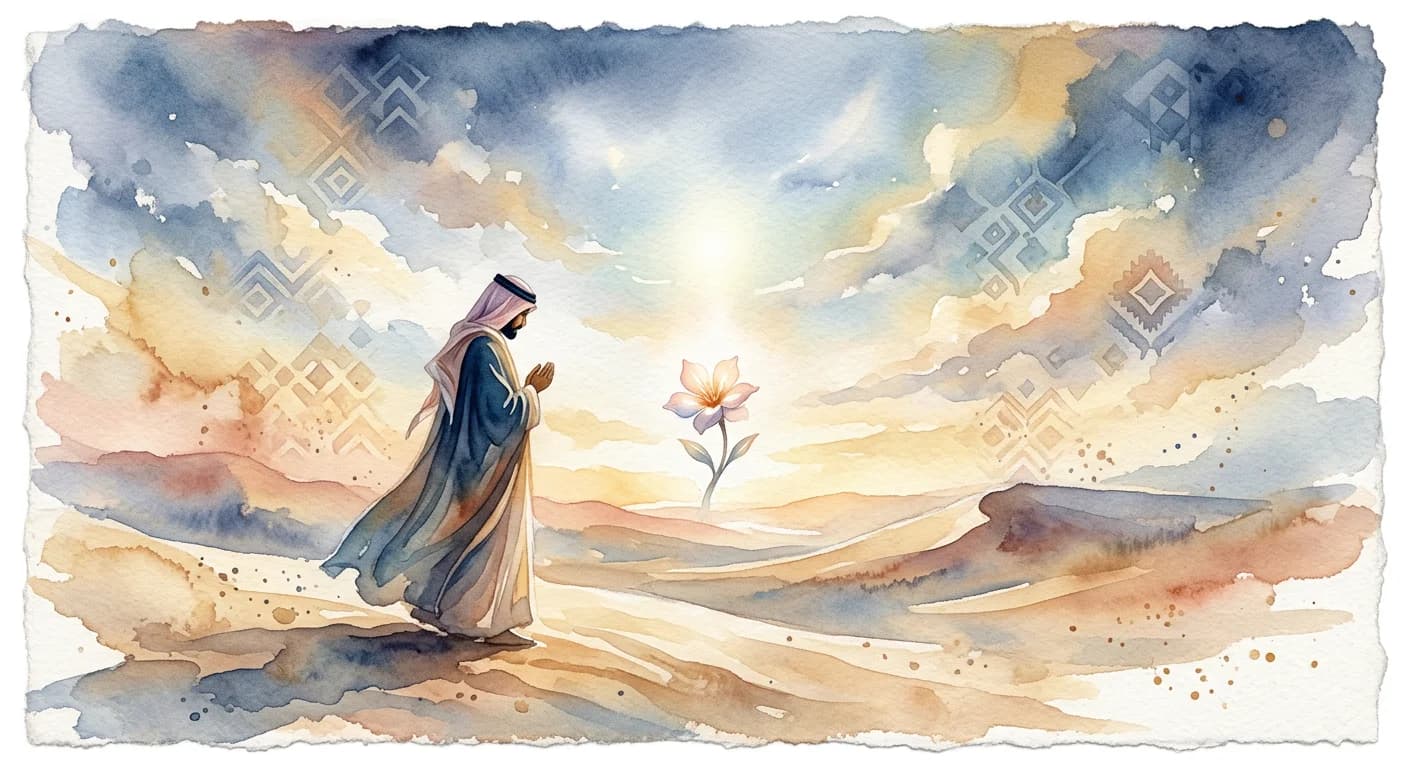
    Artistic representation of Niyyah
    Arabic•
    🇪🇬Egypt🇮🇷Iran🇲🇦Morocco🇸🇦Saudi Arabia🇦🇪United Arab Emirates

    Niyyah

    /NIH-yah/

    Meaning

    Niyyah transcends a mere thought; it is the profound, conscious intention that underpins every action, particularly within the Islamic faith. It signifies a deep-seated conviction, a spiritual compass orienting one's deeds explicitly towards the divine. This internal resolve is paramount, as the sincerity and purity of one's niyyah determine the spiritual validity and ultimate reward of any act, from the most mundane to the most sacred. It underscores that the inner state of the heart is the true measure of an action's worth, often outweighing its outward form.

    Literal Translation

    Intention, purpose, aim

    The Story Behind the Word

    The concept of niyyah is foundational to Islamic jurisprudence and spiritual practice, deeply embedded in the cultural fabric of Saudi Arabia and the broader Muslim world. Its existence reflects a worldview where every human action, no matter how small, carries spiritual weight and is ultimately an act of worship or disobedience. This emphasis on intention reveals a society that values inner piety and authenticity over mere performative adherence. It shapes daily life, from the intention to pray (making the prayer valid) to the intention behind giving charity (ensuring it's for God's pleasure, not human praise). The Prophet Muhammad's saying, 'Actions are but by intentions,' is a cornerstone, revealing a profound belief in personal accountability and the intrinsic connection between one's heart and one's deeds. This focus fosters a culture of introspection and self-awareness, where individuals are encouraged to constantly examine their motives.

    Experience It

    Performing Prayer

    Before Salah, Fatima pauses, closing her eyes briefly. She consciously brings to mind that her prayer is solely for God's pleasure, not a habit or a display. This deliberate act of niyyah validates her connection and devotion.

    Giving Charity

    When Abdullah donates anonymously to a needy family, he ensures his niyyah is purely for seeking divine reward, not for recognition or societal praise. He understands that without this sincere intention, the act loses its spiritual essence.

    The Deeper Meaning

    Niyyah reveals a deeply theological and ethical philosophy that posits the inner world as the ultimate arbiter of moral and spiritual value. It suggests that true virtue lies not just in outward conformity to rules, but in the heart's sincere alignment with divine will. This perspective emphasizes personal responsibility for one's motives and fosters a constant self-reflection, seeking to purify intentions and elevate all actions to a sacred plane, thereby infusing daily life with profound purpose.

    Did You Know?

    Even small, everyday acts like eating or sleeping can transform into acts of worship if performed with the correct niyyah – for example, intending to eat to gain strength for good deeds.

    How It's Used

    Used in Islamic theology and daily life to describe the intention behind any action, especially religious practices.

    Emotions
    gratitude,peace,serenity
    Contexts
    daily life,family,religion,work
    🇪🇬Egypt🇮🇷Iran🇲🇦Morocco🇸🇦Saudi Arabia🇦🇪United Arab Emirates

    by Annelise Dubois·Written Mar 10, 2026·Updated Apr 3, 2026

    Related Words

    Explore more
    Dolce far nienteItalian

    Dolce far niente captures the profound joy and effortless pleasure derived from simply existing without obligation or purpose. It's the art of savoring moments of pure, unadulterated idleness – lying in the sun, watching the clouds drift, or enjoying a leisurely coffee – not as a break from work, but as a valuable state in itself. This 'sweetness of doing nothing' is a conscious embrace of stillness and contentment, allowing the soul to breathe and the senses to fully engage with the present.

    Pura vidaSpanish

    More than just 'pure life,' "Pura vida" encapsulates a profound philosophy of embracing the present moment with unwavering optimism and gratitude. It's a daily commitment to finding joy in simple pleasures, accepting life's challenges with a positive spirit, and prioritizing well-being over material possessions. This ubiquitous phrase reflects a national identity built on resilience, community, and an deep appreciation for nature's bounty.

    TarofPersian

    Tarof is a deeply ingrained Iranian social custom, a delicate dance of politeness and deference where individuals engage in an elaborate exchange of offers and refusals. It's a performative humility, a way of showing respect and avoiding imposing, often involving multiple cycles of insistence and polite decline before a genuine acceptance or refusal is reached. This intricate ritual governs interactions from sharing food to paying bills, creating a nuanced social ballet.

    TarabArabic

    Tarab is far more than mere enjoyment; it's a profound, almost spiritual communion with music, where the performer and audience become one in a shared emotional journey. It signifies a state of ecstatic enchantment, a deep emotional surrender that transcends the self, leading to a transformative experience. This intense connection often manifests as spontaneous vocalizations, tears, or even physical swaying, as the music penetrates the soul and evokes a powerful release of feeling. It's a moment of pure, unadulterated musical rapture.