U.
HomeRegionsLanguagesEmotionsCollections
Find Your Word

“The limits of my language mean the limits of my world.”

— Ludwig Wittgenstein, Philosopher

Untranslatable

A curated collection of the world's most beautiful expressions—words that remind us language is humanity's greatest invention.

  • Home
  • Collections
  • Regions
  • Countries
  • Emotions
  • Tags
  • Contexts
  • Finder
  • Europe
  • Asia
  • Americas
  • Africa
  • Middle East
  • About
  • Contact
  • Privacy Policy
  • Terms of Service

2026 © Untranslatable. All rights reserved.

    /
    /
    1. Home
    2. /
    3. Middle East
    4. /
    5. Tevekkül
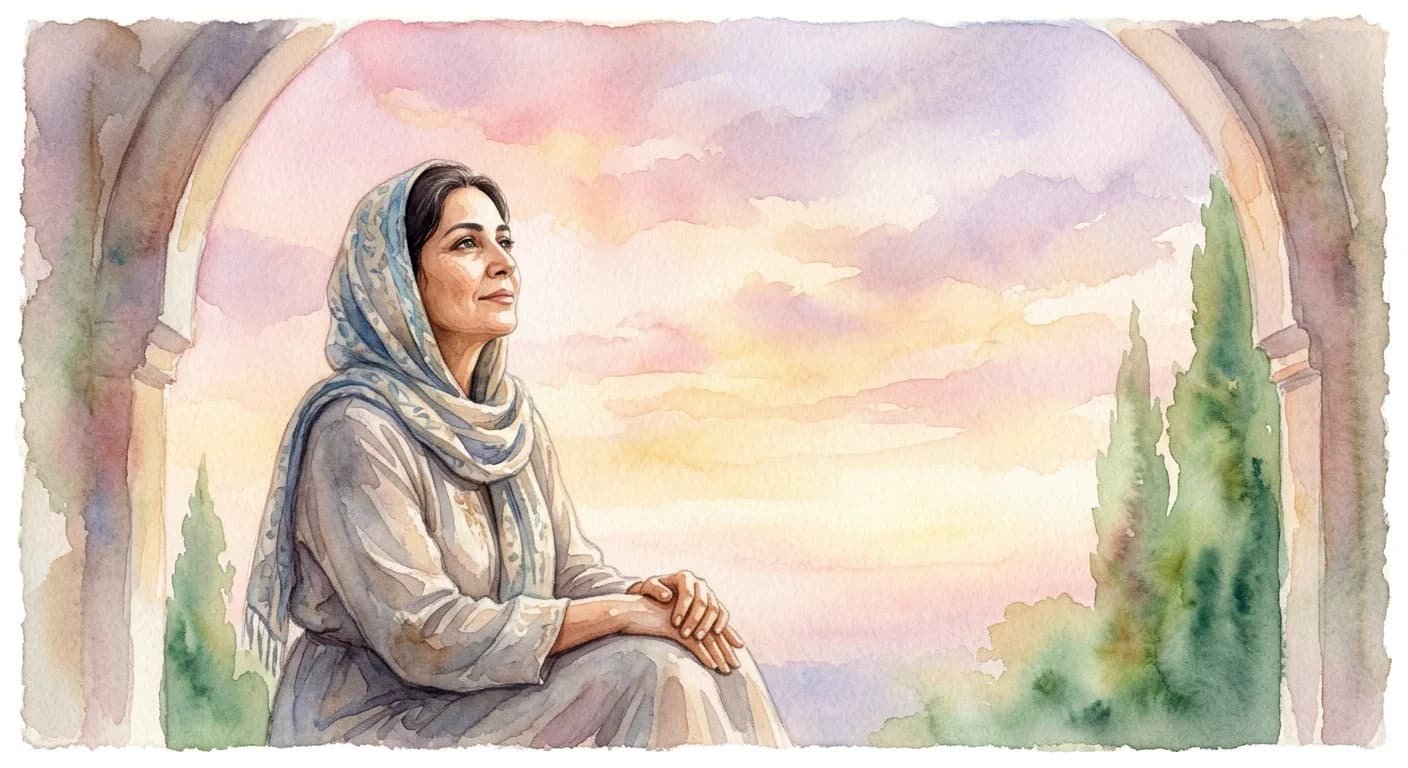
    Artistic representation of Tevekkül
    Turkish•
    🇦🇿Azerbaijan🇪🇬Egypt🇮🇷Iran🇯🇴Jordan🇱🇧Lebanon🇵🇸Palestine🇸🇦Saudi Arabia🇸🇾Syria🇹🇷Turkey

    Tevekkül

    /teh-vek-KUL/

    Meaning

    Tevekkül is a profound Islamic concept signifying a deep-seated trust and reliance on God's divine plan, even amidst life's most daunting uncertainties or hardships. It's not passive resignation, but an active process of diligently striving and making sincere efforts, followed by a serene relinquishing of the outcome to a higher power. This practice cultivates an extraordinary inner tranquility and resilience, empowering individuals to navigate challenges with an unwavering spirit and a calm acceptance that all events unfold for a reason.

    Literal Translation

    Trust in God; reliance on God

    The Story Behind the Word

    Tevekkül is deeply embedded in Turkish-Islamic culture, reflecting a worldview where human agency is intertwined with divine will. Its prevalence stems from the historical and religious fabric of Anatolia, where Sufi traditions emphasized submission and devotion. This concept helps individuals cope with the often unpredictable nature of life, fostering patience (sabır) and gratitude (şükür). It signifies a cultural understanding that while humans must exert their best efforts, ultimate control rests with a benevolent creator, shaping a collective psyche that values humility and spiritual fortitude over absolute self-reliance. It provides a framework for resilience in a society that has historically faced numerous upheavals.

    Experience It

    Facing a Major Exam

    Ayşe has studied tirelessly for her university entrance exam, sacrificing many nights of sleep. The day before, she feels a wave of anxiety. She takes a deep breath, reminds herself she's done all she can, and says, 'Gerisi tevekkül.' She then finds peace, knowing the outcome is now in God's hands.

    Uncertain Business Venture

    Mehmet invested all his savings into a new business, working day and night to build it. Despite his meticulous planning, the market is volatile. He acknowledges his hard work, then expresses 'Tevekkül,' trusting that his efforts, combined with divine will, will lead to the best possible outcome, whatever it may be.

    The Deeper Meaning

    Tevekkül articulates a profound philosophical stance on human agency versus divine providence. It posits that while free will compels individuals to act and strive, true wisdom lies in recognizing the limits of human control. This creates a balanced ontology where effort is valued, but ultimate peace is found in surrendering to a grander, benevolent design, fostering a robust internal locus of control that is simultaneously externally oriented towards a higher power.

    Did You Know?

    The root of 'tevekkül' is 'vekâlet,' meaning 'attorney' or 'representation,' implying that one appoints God as their 'attorney' in life's affairs.

    How It's Used

    Used to describe the act of entrusting oneself and one's affairs to God after having done one's best.

    Emotions
    gratitude,hope,peace,serenity
    Contexts
    relaxation,solitude,travel,work
    🇦🇿Azerbaijan🇪🇬Egypt🇮🇷Iran🇯🇴Jordan🇱🇧Lebanon🇵🇸Palestine🇸🇦Saudi Arabia🇸🇾Syria🇹🇷Turkey

    by Sofia Rossi·Written Mar 10, 2026·Updated Apr 3, 2026

    Related Words

    Explore more
    Dolce far nienteItalian

    Dolce far niente captures the profound joy and effortless pleasure derived from simply existing without obligation or purpose. It's the art of savoring moments of pure, unadulterated idleness – lying in the sun, watching the clouds drift, or enjoying a leisurely coffee – not as a break from work, but as a valuable state in itself. This 'sweetness of doing nothing' is a conscious embrace of stillness and contentment, allowing the soul to breathe and the senses to fully engage with the present.

    Pura vidaSpanish

    More than just 'pure life,' "Pura vida" encapsulates a profound philosophy of embracing the present moment with unwavering optimism and gratitude. It's a daily commitment to finding joy in simple pleasures, accepting life's challenges with a positive spirit, and prioritizing well-being over material possessions. This ubiquitous phrase reflects a national identity built on resilience, community, and an deep appreciation for nature's bounty.

    TarofPersian

    Tarof is a deeply ingrained Iranian social custom, a delicate dance of politeness and deference where individuals engage in an elaborate exchange of offers and refusals. It's a performative humility, a way of showing respect and avoiding imposing, often involving multiple cycles of insistence and polite decline before a genuine acceptance or refusal is reached. This intricate ritual governs interactions from sharing food to paying bills, creating a nuanced social ballet.

    TarabArabic

    Tarab is far more than mere enjoyment; it's a profound, almost spiritual communion with music, where the performer and audience become one in a shared emotional journey. It signifies a state of ecstatic enchantment, a deep emotional surrender that transcends the self, leading to a transformative experience. This intense connection often manifests as spontaneous vocalizations, tears, or even physical swaying, as the music penetrates the soul and evokes a powerful release of feeling. It's a moment of pure, unadulterated musical rapture.