U.
HomeRegionsLanguagesEmotionsCollections
Find Your Word

“The limits of my language mean the limits of my world.”

— Ludwig Wittgenstein, Philosopher

Untranslatable

A curated collection of the world's most beautiful expressions—words that remind us language is humanity's greatest invention.

  • Home
  • Collections
  • Regions
  • Countries
  • Emotions
  • Tags
  • Contexts
  • Finder
  • Europe
  • Asia
  • Americas
  • Africa
  • Middle East
  • About
  • Contact
  • Privacy Policy
  • Terms of Service

2026 © Untranslatable. All rights reserved.

    /
    /
    1. Home
    2. /
    3. Middle East
    4. /
    5. Balagan
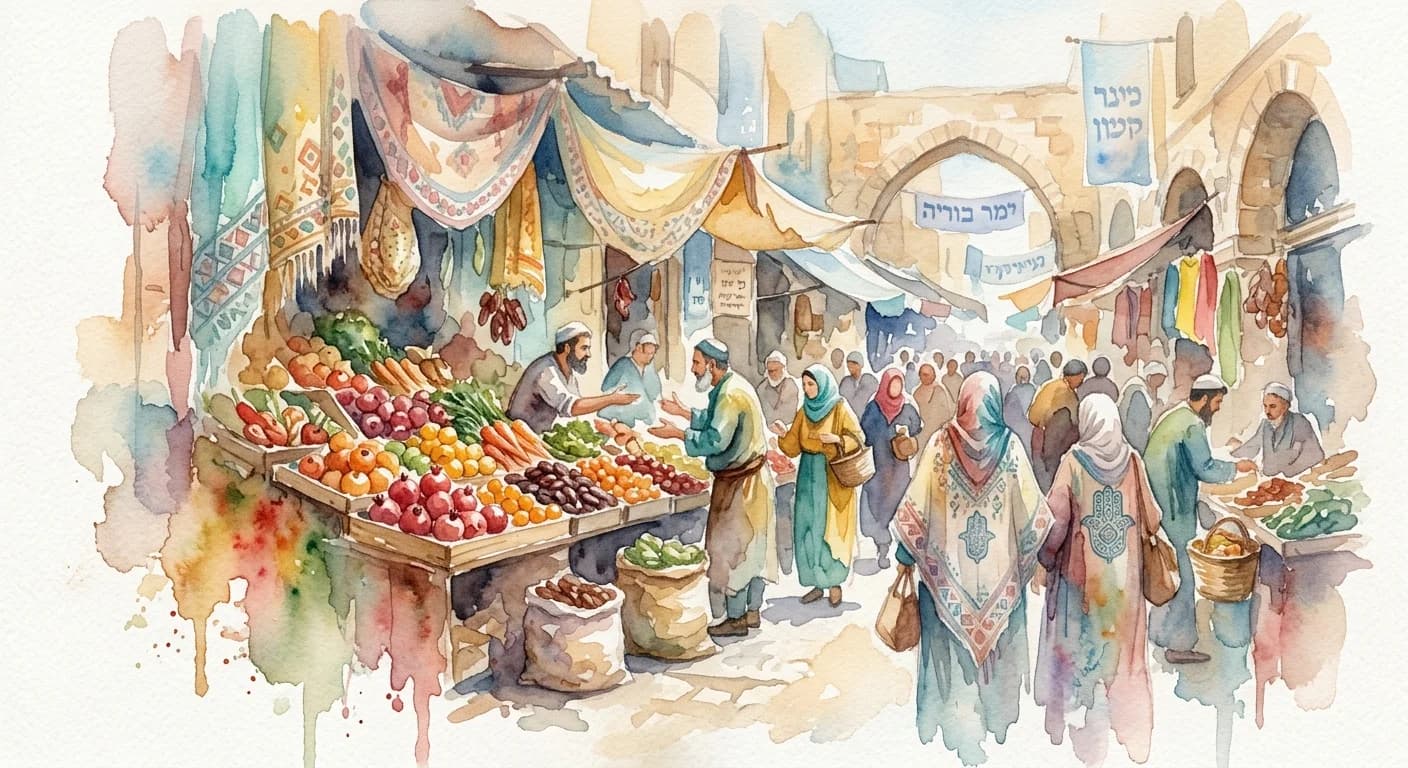
    Artistic representation of Balagan
    Hebrew•
    🇮🇱Israel

    Balagan

    /bah-lah-GAHN/

    Meaning

    Balagan isn't merely chaos; it's a quintessential Israeli state of vibrant, often boisterous, and sometimes exasperating disorder that is deeply embedded in the national psyche. It describes a situation that is messy, disorganized, and seemingly out of control, yet often navigated with a distinct blend of improvisation, resilience, and a touch of affectionate resignation. Think of it as a lively, cacophonous energy that defines everything from a chaotic family dinner to the intricate dance of bureaucracy, embodying both the challenges and the unique charm of Israeli life.

    Literal Translation

    Chaos, mess, disorder

    The Story Behind the Word

    The word "balagan" likely entered Hebrew from Russian (балаган), meaning a booth or a chaotic fair, but it has been thoroughly indigenized and imbued with a distinct Israeli flavor. Its prevalence reflects a culture shaped by constant adaptation, rapid development, and a continuous need to improvise in the face of unexpected challenges, from security issues to bureaucratic hurdles. The embrace of "balagan" reveals a national characteristic of resilience and a pragmatic acceptance that life, particularly in a dynamic and often volatile region, rarely adheres to neat order. It signifies a collective understanding that while things might be messy, they usually get done, albeit in a uniquely Israeli fashion, often involving directness, a bit of shouting, and a lot of passion. This acceptance of inherent disorder is a coping mechanism and a source of national identity, suggesting that true order might even be viewed with suspicion or as stifling.

    Experience It

    Family Shabbat Dinner

    Auntie Shoshana is shouting over Uncle Yossi’s political rant, children are chasing each other under the table, and someone just spilled wine on the tablecloth. Grandma surveys the scene, throws her hands up with a smile, and declares, 'Nu, what a balagan! But this is life!'

    Bureaucratic Hustle

    At the Ministry of Interior, three different lines converge, forms are missing, and the printer just jammed. People are arguing good-naturedly with the clerk, who shrugs and says, 'What can I do? It's a balagan today.' Yet, somehow, most people eventually get their papers.

    The Deeper Meaning

    The prevalence of "balagan" in Israeli discourse reflects a deep-seated philosophical acceptance of imperfection and a pragmatic approach to existence. It suggests that control is often an illusion, and true efficacy lies in adaptability, improvisation, and a resilient spirit that thrives amidst disorder. This worldview prioritizes dynamism and human connection over rigid structures, acknowledging that life's most authentic moments often arise from its messiness.

    Did You Know?

    Despite its negative connotation of disorder, "balagan" is often used with a sense of humor and even pride, signifying a unique Israeli way of navigating life's complexities.

    How It's Used

    Used to describe a chaotic or messy situation, often with a sense of exasperated affection or humor.

    Emotions
    acceptance,anger,joy
    Contexts
    celebration,family,work
    🇮🇱Israel

    by Sofia Rossi·Written Mar 10, 2026·Updated Apr 3, 2026

    Related Words

    Explore more
    Wabi-sabiJapanese

    Wabi-sabi is the profound appreciation for the ephemeral, the imperfect, and the incomplete aspects of existence. It is about discovering beauty in the subtle textures of age, the unique character of flaws, and the gentle decay that marks the passage of time. This philosophy encourages a quiet acceptance of impermanence and a mindful connection to the natural world, finding elegance in simplicity and authenticity.

    JayusIndonesian

    Jayus describes that peculiar moment when a joke is so utterly devoid of humor, so poorly delivered, or so nonsensical that its very ineptitude triggers an involuntary, almost sympathetic burst of laughter. It's not laughter at the joke itself, but rather a reaction to the sheer awkwardness and the unexpected, delightful absurdity of someone failing so spectacularly to be funny. The humor stems from the meta-experience of witnessing a comedic train wreck, transforming discomfort into a shared moment of mirth.

    TarofPersian

    Tarof is a deeply ingrained Iranian social custom, a delicate dance of politeness and deference where individuals engage in an elaborate exchange of offers and refusals. It's a performative humility, a way of showing respect and avoiding imposing, often involving multiple cycles of insistence and polite decline before a genuine acceptance or refusal is reached. This intricate ritual governs interactions from sharing food to paying bills, creating a nuanced social ballet.

    TarabArabic

    Tarab is far more than mere enjoyment; it's a profound, almost spiritual communion with music, where the performer and audience become one in a shared emotional journey. It signifies a state of ecstatic enchantment, a deep emotional surrender that transcends the self, leading to a transformative experience. This intense connection often manifests as spontaneous vocalizations, tears, or even physical swaying, as the music penetrates the soul and evokes a powerful release of feeling. It's a moment of pure, unadulterated musical rapture.